
Custom packaging is no longer just about protecting a product—it’s a strategic tool that influences brand perception, customer experience, and purchasing decisions. From eye-catching retail boxes to highly engineered protective packaging, custom packaging allows brands to align form, function, and messaging in a way that stock solutions simply can’t.
This guide explores what custom packaging is, how it’s designed and produced, the materials commonly used, and how brands use custom packaging strategically to stand out in competitive markets.
What Is Custom Packaging?
Custom packaging refers to packaging solutions that are specifically designed and manufactured for a particular product, brand, or use case. Unlike off-the-shelf packaging, custom packaging is tailored in terms of size, structure, materials, graphics, and functionality.
Custom packaging can apply to:
- Primary packaging that directly holds the product
- Secondary packaging used for branding or protection
- Tertiary packaging used for shipping and logistics
The goal is to ensure the packaging supports both product performance and brand identity.
Why Brands Choose Custom Packaging
Brands invest in custom packaging to solve problems and create differentiation.
Brand Recognition and Shelf Impact
Custom product packaging allows brands to control colors, shapes, finishes, and graphics—helping products stand out on crowded shelves and reinforce brand identity.
Improved Product Fit and Protection
Tailored packaging reduces excess space, minimizes movement during shipping, and lowers the risk of damage.
Better Customer Experience
Thoughtful unboxing experiences, easy-open designs, and intuitive packaging features all contribute to positive customer interactions.
Operational Efficiency
Custom packaging can be optimized for filling lines, shipping configurations, and storage, improving efficiency across the supply chain.
Common Types of Custom Packaging
Custom packaging spans a wide range of formats and applications.
Custom Boxes and Cartons
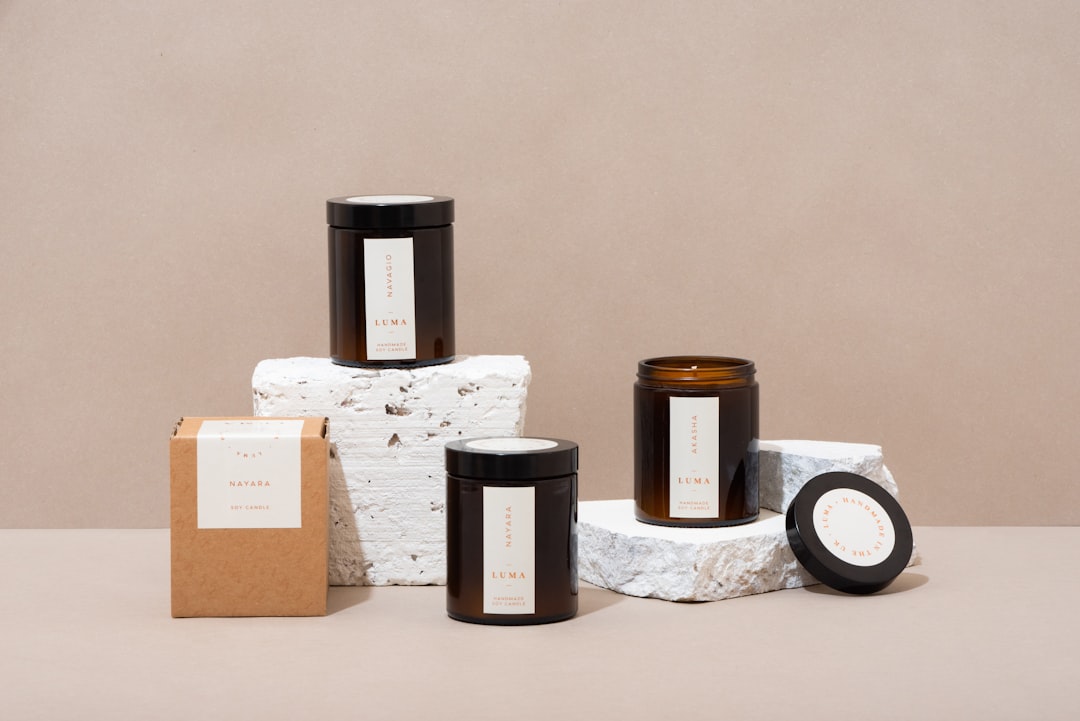
Custom boxes are widely used for retail, e-commerce, and subscription products. These solutions allow for unique structures, inserts, and branding elements.
Custom Containers and Bottles
Brands often use custom-molded bottles, jars, or containers to create unique silhouettes and functional advantages.
Protective and Insert Packaging
Custom inserts, trays, and cushioning materials help secure products during transport while enhancing presentation.
Promotional and Specialty Packaging
Limited-edition packaging, gift sets, and seasonal designs allow brands to create urgency and exclusivity.
Materials Used in Custom Packaging
Material selection plays a critical role in performance, cost, and sustainability.
Paper-Based Materials
Paperboard and corrugated materials are popular for their printability, recyclability, and versatility.
Plastics
Plastic materials are commonly used for molded packaging, flexible packaging, and protective components due to their durability and flexibility.
Glass and Metal
Glass and metal packaging are often chosen for premium products that require strong barrier properties and a high-end appearance.
Sustainable and Alternative Materials
Many brands are adopting recycled, biodegradable, or renewable materials to support sustainability initiatives.
Designing Effective Custom Packaging
Successful custom packaging starts with thoughtful design.
Structural Design
Packaging must support product weight, shape, and fragility while aligning with distribution requirements.
Graphic Design and Branding
Visual elements such as typography, color, imagery, and finishes communicate brand values and product benefits.
User Interaction
Features like resealability, easy opening, and clear instructions improve usability and satisfaction.
Design decisions should balance aesthetics with practicality.
Custom Packaging and Sustainability
Sustainability is a growing priority in packaging strategy.
Custom packaging can support sustainability by:
- Reducing excess material through right-sizing
- Incorporating recycled or recyclable materials
- Designing for reuse or refill programs
- Minimizing mixed-material constructions
Brands increasingly view sustainable custom packaging as both a responsibility and a competitive advantage.
Cost Considerations for Custom Packaging
While custom packaging offers many benefits, it also involves trade-offs.
Tooling and Setup Costs
Custom molds, dies, and printing plates require upfront investment.
Minimum Order Quantities
Custom solutions often require higher MOQs than stock packaging.
Long-Term Value
Despite higher initial costs, custom packaging can lower shipping costs, reduce damage, and increase brand value over time.
Evaluating total cost of ownership helps guide packaging decisions.
Regulations and Compliance
Custom packaging must meet regulatory requirements depending on the product and market.
- FDA regulations for food, beverage, cosmetic, and pharmaceutical packaging
- Labeling and safety requirements
- Industry-specific standards for handling and transport
Working with knowledgeable suppliers helps ensure compliance from concept to production.
How to Choose a Custom Packaging Partner
Selecting the right partner is essential to success.
Design and Engineering Capabilities
Look for partners who can support ideation, prototyping, and material selection.
Manufacturing Expertise
Suppliers should have experience producing custom packaging at your required scale.
Quality Assurance
Consistent quality, testing, and inspection processes are critical.
Scalability and Reliability
Partners should be able to grow with your business and meet delivery timelines.
Trends in Custom Packaging
Custom packaging continues to evolve alongside consumer expectations.
- Growth in e-commerce and direct-to-consumer packaging
- Increased focus on sustainable materials and designs
- Minimalist and premium branding aesthetics
- Interactive packaging elements such as QR codes
These trends highlight the strategic role custom packaging plays in modern branding.
Learn more
If you’re exploring ways to differentiate your product, improve protection, or elevate the customer experience, reviewing related packaging formats and material options can help clarify how custom packaging fits into your overall strategy.
Explore more packaging solutions
Browse our full collection of packaging product guides to learn more about bottles, cartons, pouches, molded components, and other packaging formats used across consumer, retail, pharmaceutical, and industrial markets.