
Packaging plays a critical role in how products are protected, transported, and perceived. With dozens of packaging formats available, understanding the different packaging product segments helps brands, manufacturers, and suppliers choose solutions that align with product requirements, regulatory needs, and market expectations.
This pillar guide provides an overview of the most widely used packaging product segments, explains how they differ, and helps you navigate toward the right packaging solution for your application.
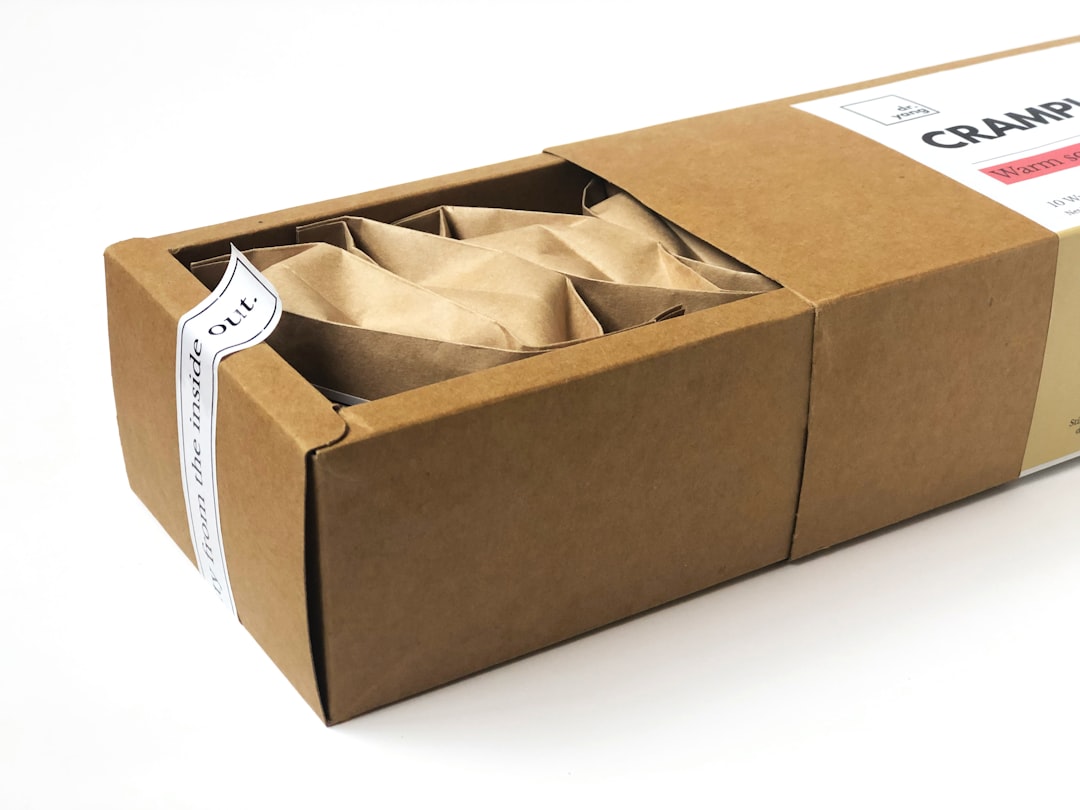
What Are Packaging Product Segments?
Packaging product segments are categories that group packaging formats based on their structure, materials, and intended use. Each segment serves a specific purpose—whether it’s protecting hazardous materials, enhancing shelf appeal, enabling precise dispensing, or supporting bulk transport.
By organizing packaging into clear segments, it becomes easier to:
- Compare packaging options
- Understand material and performance trade-offs
- Identify suppliers with the right expertise
- Build scalable, compliant packaging systems
Rigid Packaging Product Segments
Rigid packaging provides structure, durability, and protection. These formats are commonly used for liquids, solids, and products requiring strong barrier properties.
Bottles
Used across food, beverage, personal care, pharmaceutical, and industrial markets for liquids and semi-liquids. Bottles support a wide range of materials, closures, and dispensing systems.
(Internal link to: Packaging Bottles)
Jars
Wide-mouth containers designed for easy access to thick or solid products such as creams, powders, and spreads.
(Internal link to: Packaging Jars)
Glass Packaging
Non-reactive, premium containers used for food, beverages, cosmetics, and pharmaceuticals where purity and shelf appeal matter.
(Internal link to: Glass Packaging)
Vials
Small-volume containers used for pharmaceuticals, diagnostics, cosmetics, and laboratory applications requiring precision and compliance.
(Internal link to: Vial Packaging)
Flexible Packaging Product Segments
Flexible packaging focuses on lightweight construction, material efficiency, and modern shelf presentation.
Pouches & Bags
Stand up pouches, flat pouches, and flexible bags used across food, supplements, personal care, and industrial markets.
(Internal link to: Pouches & Bags Packaging)
Tubes
Squeeze tubes and laminated tubes designed for controlled dispensing of creams, gels, pastes, and semi-solid products.
(Internal link to: Tube Packaging)
Dispensing & Closure Product Segments
These segments focus on how products are sealed, dispensed, and used.
Caps & Closures
Components that seal containers and support resealability, safety, and tamper evidence.
(Internal link to: Caps & Closures)
Pumps & Sprayers
Mechanical dispensing systems that control dosage, spray patterns, and user experience.
(Internal link to: Pumps & Sprayers)
Dispensing Systems
Advanced dispensing solutions including valves, airless systems, and precision dosing components.
(Internal link to: Dispensing Systems Packaging)
Droppers
Precision dispensing solutions used for serums, pharmaceuticals, supplements, and specialty liquids.
(Internal link to: Dropper Packaging)
Paper-Based Packaging Product Segments
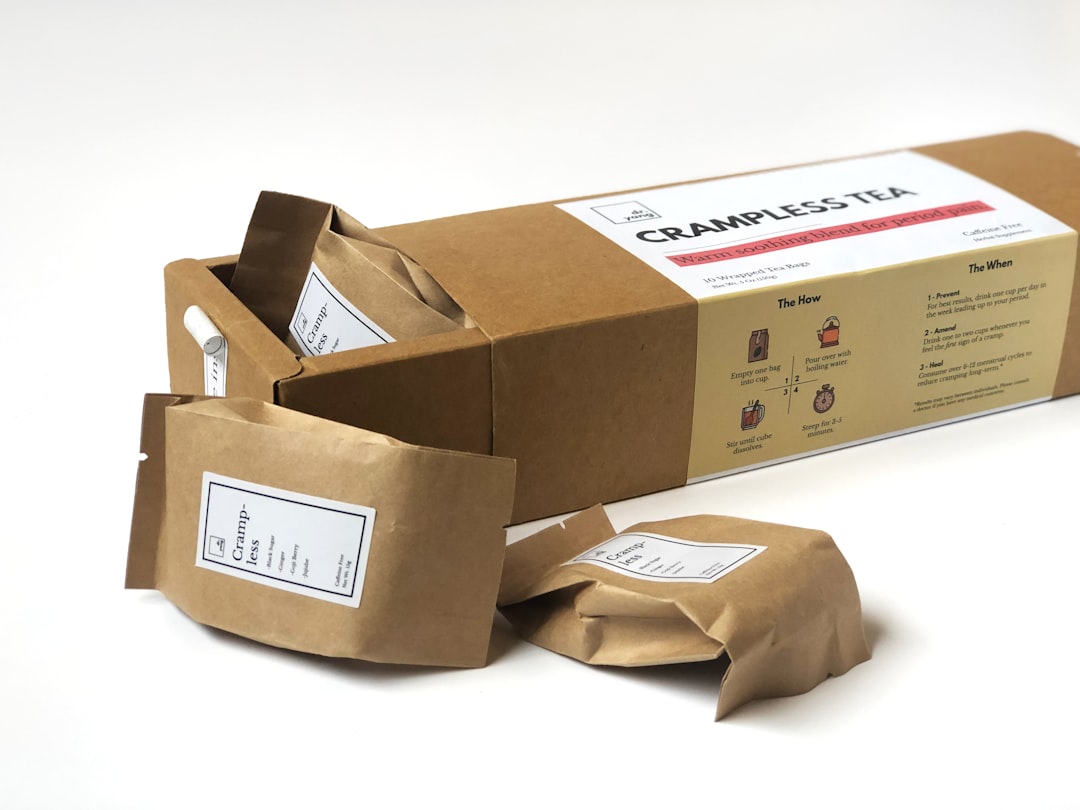
Paper-based packaging supports branding, protection, and sustainability goals.
Cartons & Boxes
Folding cartons, corrugated boxes, and rigid boxes used for retail display, shipping, and e-commerce fulfillment.
(Internal link to: Cartons & Boxes Packaging)
Labels & Decoration
Branding and informational elements applied to packaging, including labels, printing, coatings, and finishes.
(Internal link to: Labels & Decoration)
Industrial & Bulk Packaging Product Segments
These segments are designed for durability, safety, and large-volume handling.
Pails
Mid-volume containers used for paints, chemicals, food ingredients, and construction materials.
(Internal link to: Packaging Pails)
Drums
Heavy-duty containers for bulk liquids and solids, often used for chemicals, food ingredients, and hazardous materials.
(Internal link to: Packaging Drums)
IBCs & Totes
Intermediate bulk containers used for efficient storage and transport of large liquid volumes.
(Internal link to: IBCs & Totes)
Specialized & Regulated Packaging Product Segments
Some packaging segments exist to meet highly specific functional or regulatory needs.
Airless Packaging
Vacuum-based dispensing systems designed to protect sensitive formulations from air exposure.
(Internal link to: Airless Packaging)
Custom Molding
Custom-engineered packaging components produced through injection, blow, or specialty molding processes.
(Internal link to: Custom Molding Packaging)
Custom Packaging
Tailored packaging solutions designed to align with branding, performance, and supply chain goals.
(Internal link to: Custom Packaging)
Hazardous Packaging
Certified packaging solutions designed to safely contain and transport regulated hazardous materials.
(Internal link to: Hazardous Packaging)
How to Use This Packaging Product Segments Guide
This pillar page is designed to help you:
- Quickly identify relevant packaging categories
- Compare packaging formats by use case
- Navigate to detailed guides for each segment
- Build a complete packaging system using compatible components
Each linked guide dives deeper into materials, applications, regulations, and supplier considerations for that specific segment.
Learn more
If you’re evaluating packaging options for a new product or optimizing an existing packaging system, exploring individual product segments can help clarify performance trade-offs, compliance requirements, and sourcing strategies.
Explore packaging solutions by segment
Browse our complete library of packaging product segment guides to compare materials, formats, and applications across consumer, industrial, pharmaceutical, food, and specialty markets.