
Every growing brand hits the same fork in the road: keep filling, labeling, and boxing product in-house, or hand it off to a contract packager (co-packer) who does it for you. The pitch for each side sounds convincing on its own, which is exactly why the decision is so easy to get wrong.
This guide breaks down what actually drives cost on both sides — equipment, labor, setup fees, per-unit rates, and the hidden line items that don’t show up until month three — so you can run the comparison against your own volume instead of a generic rule of thumb.
Quick Answer
In-house packaging tends to be cheaper once you have stable, high, year-round volume that keeps a line and crew fully utilized. Contract packaging tends to be cheaper when volume is seasonal, growing, unpredictable, or not yet large enough to justify buying equipment and hiring a dedicated team — because it turns fixed costs (equipment, payroll, facility space) into a variable per-unit cost you only pay when you actually produce.
What Actually Drives the Cost on Each Side
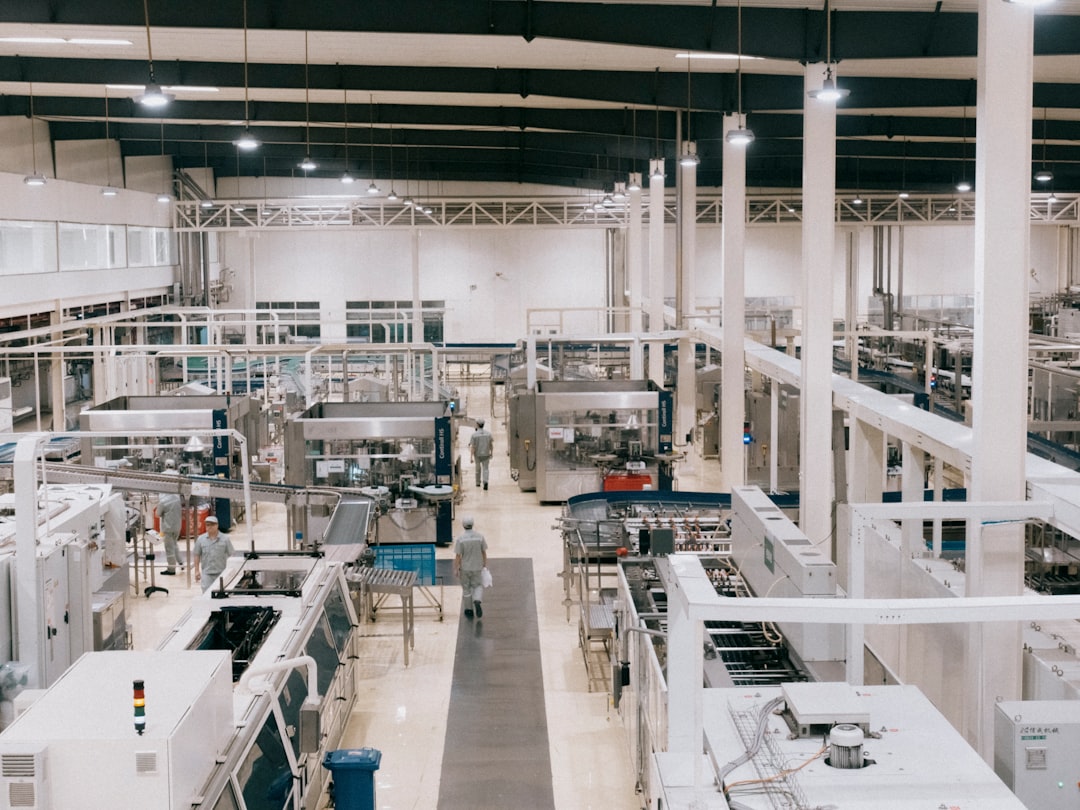
In-house packaging costs start with capital: filling equipment, labelers, case erectors, and shrink or seal equipment can run from the low tens of thousands of dollars for basic manual or semi-automated setups up to several hundred thousand or more for a fully automated line. On top of that sits ongoing overhead — operator wages, training, maintenance and repair, warehouse or floor space, utilities, and compliance costs (food safety, labeling regulations, quality systems) that keep running whether the line is busy or idle.
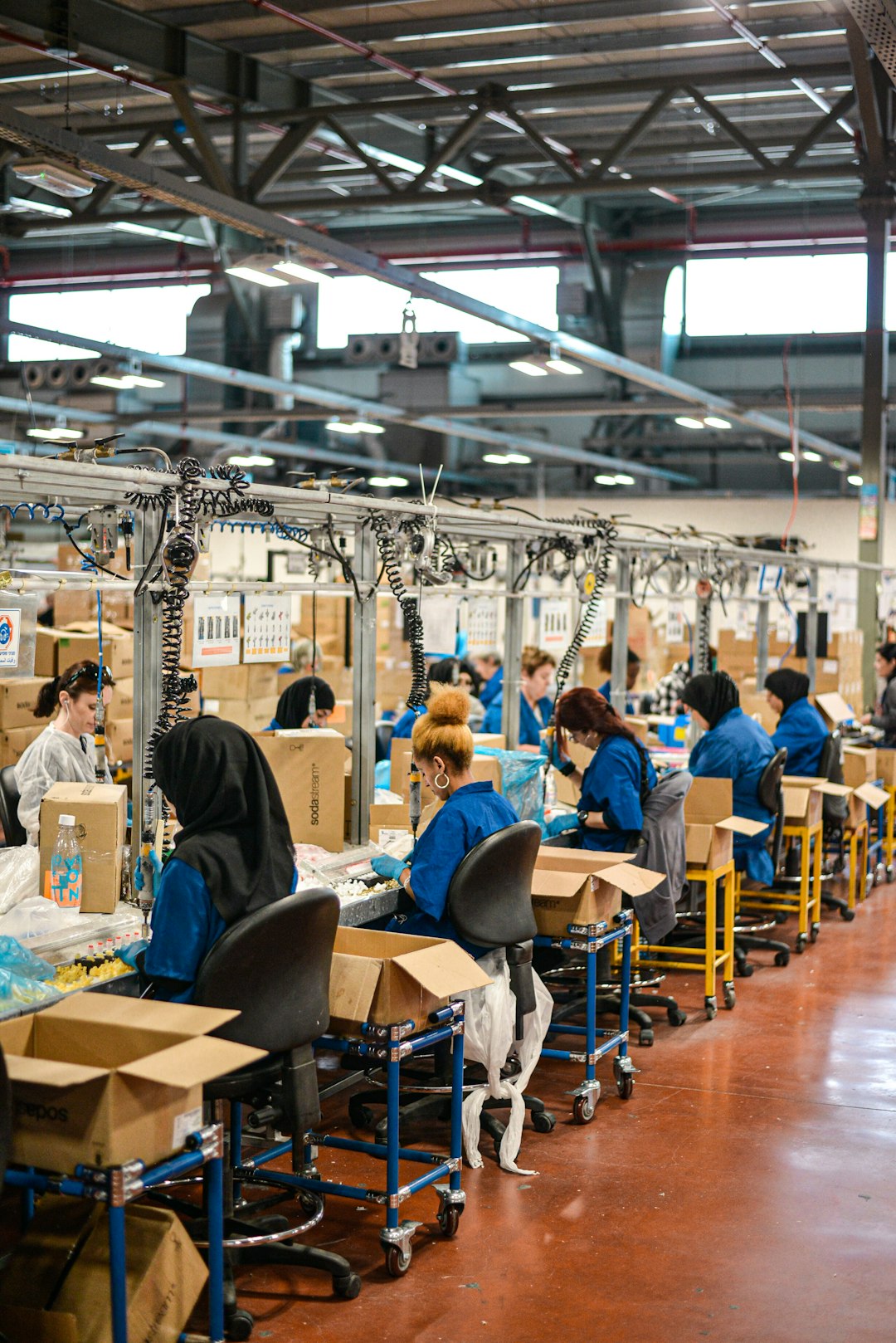
Contract packaging costs are usually quoted as a setup or changeover fee plus a per-unit rate. Setup fees cover line changeovers, tooling adjustments, and any custom artwork or die work, and commonly range from a few hundred to a few thousand dollars depending on job complexity. Per-unit rates depend on how much labor and material handling the job requires — simple single-component fills cost less per unit than multipacks, club packs, or kitted assortments. Ask any co-packer for a rate card broken out by setup fee, per-unit rate, minimum order quantity, and any surcharges for rush turnaround, storage, or materials handling, since these are the line items most often left out of an initial quote.
When In-House Wins vs When Contract Packaging Wins
In-house packaging tends to win when you have consistent, predictable, high-enough volume to keep equipment and staff busy most of the year, when your process is proprietary or highly customized, or when you need tight day-to-day control over quality and scheduling. The math only works, though, if you’re honest about utilization — a line sitting idle two days a week is still costing you rent, depreciation, and base payroll.
Contract packaging tends to win when volume is seasonal or still ramping, when you don’t want to tie up capital in equipment, when you need to scale up or down quickly, or when a co-packer’s existing automation and trained crew can do the job faster and more consistently than you could build from scratch. Because capacity is shared across multiple clients, a co-packer can often absorb a demand spike far faster than you could buy and install a second line.
The number that actually matters is total landed cost, not the quoted per-unit rate. Factor in freight if the co-packer’s facility is far from your suppliers or customers, any separate warehousing you’ll still need, and the retailer chargeback risk if a co-packer’s quality control doesn’t meet your buyer’s compliance standards. A lower per-unit quote from a distant, less reliable co-packer can end up costing more than a slightly higher quote from a facility close to your supply chain.
Tips and Common Mistakes
Don’t compare a co-packer’s per-unit rate directly to your in-house labor cost per unit — build a full cost model for each option that includes equipment depreciation, facility overhead, management time, and downtime, not just direct labor. Get itemized quotes from co-packers that separate setup fees, per-unit rates, minimum order requirements, and any storage or materials-handling surcharges, so you’re not surprised by the invoice. Run the comparison at more than one volume level (current volume and your 12-24 month projection), since the cheaper option today can flip once volume grows or shrinks. And before signing with any co-packer, ask for references and confirm their compliance certifications match what your retail or regulatory buyers require — a cheap unit cost isn’t worth a failed quality audit or a chargeback.
Explore more: More packaging and operations guides.
Contract packaging vs in-house packaging FAQs
Is contract packaging always cheaper than in-house packaging?
No. It’s typically cheaper for lower, seasonal, or unpredictable volume because it avoids upfront equipment and payroll costs. Once volume is high and stable enough to keep an in-house line fully utilized, in-house packaging can become the lower-cost option.
What hidden costs do businesses miss when comparing the two?
On the in-house side, businesses often underestimate facility space, equipment maintenance, training, and compliance overhead. On the contract packaging side, common misses are setup/changeover fees, minimum order charges, storage fees, and freight costs to and from the co-packer’s facility.
How much do co-packer setup fees typically cost?
Setup fees vary with job complexity but commonly range from a few hundred to a few thousand dollars, covering line changeovers, tooling adjustments, and custom artwork or die work. Always ask for this itemized separately from the per-unit rate.
Source Smarter With Packaura Direct
Find packaging suppliers, surplus inventory, and certification — all on Packaura Direct. Try Packaura Direct.
Photo by Catgirlmutant on Unsplash.