Compliance

PFAS in Food Packaging: Which States Ban It and When

Photo of author

Packaura

/ October 18, 2026

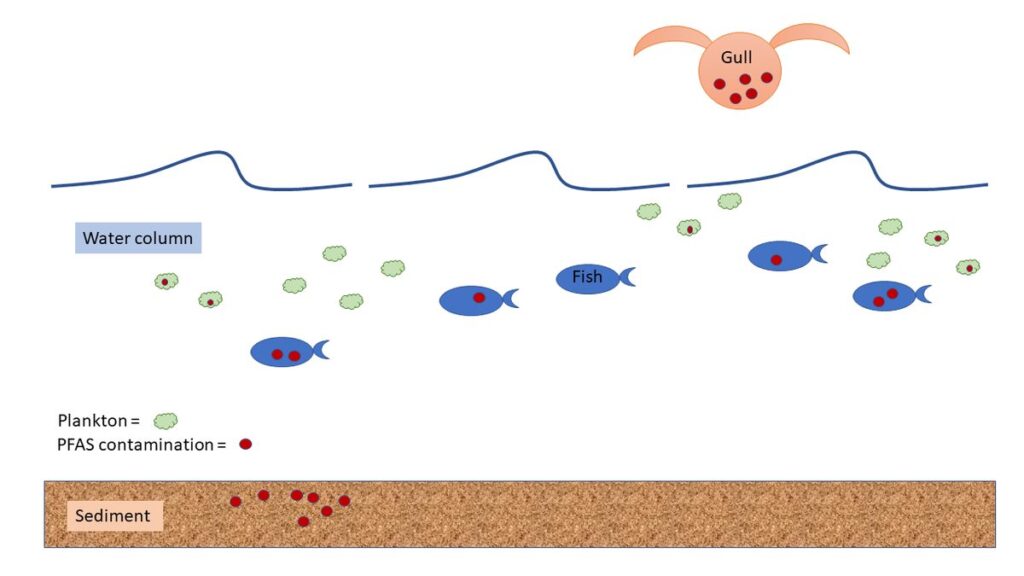
If you sell, distribute, or manufacture food packaging in the U.S., “check your state’s PFAS law” isn’t optional anymore — more than a dozen states now restrict intentionally added PFAS in food packaging, and the list keeps growing every legislative session. This guide walks through

Read more

How to Verify a Supplier’s PFAS-Free Packaging Claim

Photo of author

Packaura

/ October 16, 2026

A supplier telling you their packaging is “PFAS-free” is a marketing statement, not proof. With a growing list of states banning intentionally added PFAS in food packaging and the EU’s Packaging and Packaging Waste Regulation setting hard concentration limits starting August 2026, a verbal or

Read more

Corrugated vs Rigid Boxes: Which Passes Package Testing?

Photo of author

Packaura

/ October 16, 2026

If your product has to survive a conveyor belt, a delivery van, and a doorstep drop before it ever reaches a customer, the box you choose isn’t just a branding decision — it’s a compliance decision. Retailers, 3PLs, and carriers increasingly require packaging to pass

Read more

Biodegradable vs Compostable vs Recyclable: What Labels Mean

Photo of author

Packaura

/ October 15, 2026

Packaging that says “eco-friendly,” “biodegradable,” or “compostable” sounds reassuring, but these words are not interchangeable and they are not just marketing flavor — each one carries a specific legal meaning under FTC rules and, for compostable claims, specific ASTM test standards behind it. This guide

Read more

Which Plastic Recycling Numbers Are Food-Safe?

Photo of author

Packaura

/ October 10, 2026

The little triangle stamped on a plastic container tells you what resin it’s made from — but it does not, by itself, tell you whether that container is legal to put food in. That distinction trips up a lot of packaging and compliance teams, especially

Read more

UK Packaging EPR (pEPR) Registration Guide for US Brands

Photo of author

Packaura

/ October 8, 2026

The UK’s packaging Extended Producer Responsibility (pEPR) scheme makes businesses that put packaging on the UK market pay for its collection, recycling and disposal. For US brands shipping to the UK, the hard part is working out whether the rules land on you, on your

Read more

Food-Safe Coatings for Corrugated Boxes: PE vs PLA vs Wax

Photo of author

Packaura

/ October 7, 2026

If your corrugated box touches produce, meat, seafood, or baked goods, the coating on that board isn’t a cosmetic choice — it’s a compliance one. Moisture barriers need to meet FDA food-contact rules, and increasingly they also need to survive a recycling mill without gumming

Read more

Is New York’s Packaging EPR Bill Law Yet? 2026 Status

Photo of author

Packaura

/ October 5, 2026

If you sell packaged goods into New York and you’ve been bracing for a new extended producer responsibility (EPR) law, you can exhale for now — but not for long. The Packaging Reduction and Recycling Infrastructure Act passed the state Senate in 2024 and again

Read more

Poly Bag Suffocation Warning Labels: State Rules Explained

Photo of author

Packaura

/ October 4, 2026

If you ship or package products in thin plastic bags, you’ve probably seen the familiar warning: “Keep this bag away from babies and children.” What’s less obvious is that this isn’t just a courtesy line — in several states it’s a legal requirement with specific

Read more

How to Find Your 2023 SB 54 Baseline Packaging Weight

Photo of author

Packaura

/ September 26, 2026

California’s SB 54 (the Plastic Pollution Prevention and Packaging Producer Responsibility Act) measures producers’ source-reduction progress against a 2023 baseline: how much plastic covered material was sold, offered for sale, or distributed into California during calendar year 2023. Under 14 CCR § 18980.9, that baseline

Read more

Multi-State Packaging EPR Checklist for Small CPG Brands

Photo of author

Packaura

/ September 24, 2026

If your products ship into more than one state, packaging extended producer responsibility (EPR) rules have probably already landed on your desk, usually as a confusing email from a producer responsibility organization asking you to register and report tonnage you’ve never had to track before.

Read more

PAO Symbol Guide: When Cosmetic Packaging Needs One

Photo of author

Packaura

/ September 24, 2026

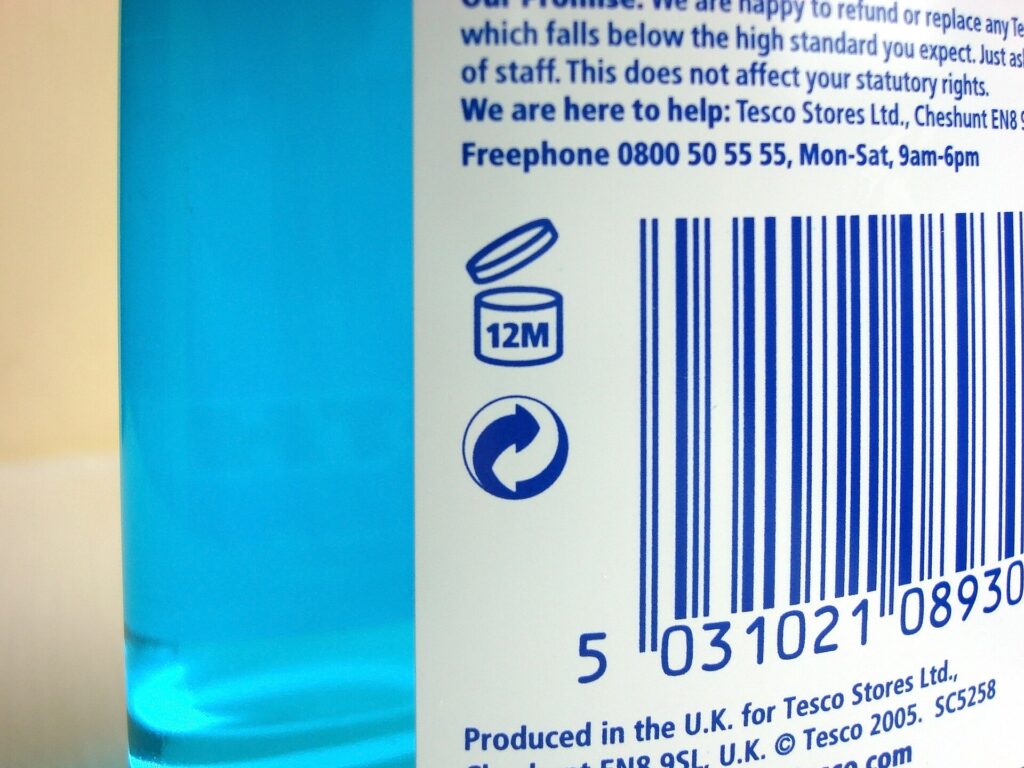
If you’re finalizing artwork for a cream, lotion, or makeup product, you’ve probably run into the little open-jar icon with a number and an “M” next to it — the Period-After-Opening (PAO) symbol. Getting this right matters: in the EU, it’s a legal labeling requirement

Read more

Food Contact Migration Testing Cost: A Budgeting Guide

Photo of author

Packaura

/ September 23, 2026

If you’re bringing a new packaging material, coating, or food-contact product to market, migration testing is one of the line items that’s hardest to budget for — labs rarely post pricing, and the final number depends on a handful of variables most first-time filers don’t

Read more

GRAS List for Packaging: How to Confirm FDA Status

Photo of author

Packaura

/ September 22, 2026

If you make or source food packaging, you’ve probably run into the acronym GRAS — Generally Recognized As Safe — and wondered whether the resin, adhesive, coating, or additive in your material actually qualifies. It’s a fair question: GRAS status isn’t a single certificate you

Read more

How to Weigh and Categorize Packaging for EPR Reporting

Photo of author

Packaura

/ September 19, 2026

If your company sells products in a state with an extended producer responsibility (EPR) law for packaging, one of the first hard parts isn’t understanding the regulation, it’s producing accurate weight and material data for everything you ship. Regulators and the producer responsibility organizations (PROs)

Read more

Is Silicone Bakeware FDA Food-Safe? Reading the Fine Print

Photo of author

Packaura

/ September 17, 2026

Pull up almost any silicone baking mat or muffin mold online and you’ll see the words “FDA approved” somewhere in the listing. It sounds like a stamp of government approval, but the FDA doesn’t test, inspect, or approve individual kitchenware products before they hit the

Read more

State Bag Ban Mil Thickness Rules: What Counts as Reusable

Photo of author

Packaura

/ September 15, 2026

If you sell, distribute, or manufacture checkout bags across state lines, “just make it thicker” is not a compliance strategy. States that ban thin single-use plastic bags define “reusable” in wildly different ways — some by a specific mil count, some by banning plastic film

Read more

Is Cardboard Food-Safe? Coatings, Grease Resistance & PFAS

Photo of author

Packaura

/ September 15, 2026

Plain, uncoated cardboard is actually FDA-compliant for direct contact with dry foods, as long as the fiber and any additives meet federal requirements — a coating isn’t automatically required just to call cardboard “food-safe.” Where a coating or barrier treatment becomes necessary is grease, oil,

Read more