Compliance

EPR De Minimis Exemption: Do You Qualify in CA, OR, CO, ME?

Photo of author

Packaura

/ September 10, 2026

If your brand sells packaged goods into California, Oregon, Colorado, or Maine, you may be swept into that state’s Extended Producer Responsibility (EPR) packaging law even if you’re a small operation. The good news: all four programs carve out a “small producer” or de minimis

Read more

Is Butcher Paper Food-Safe? How to Verify FDA Compliance

Photo of author

Packaura

/ September 9, 2026

If you wrap, smoke, or sell food for a living, “butcher paper” and “food-safe” aren’t automatically the same thing. Genuine butcher paper made for direct food contact is regulated under FDA rules, but a lot of paper sold under that name — including cheap kraft

Read more

ASTM D6400: Certification, Testing & Standards Guide

Photo of author

Packaura

/ August 26, 2026

If your packaging is labeled compostable in the U.S., regulators, retailers, and buyers increasingly expect proof, not just a marketing claim. ASTM D6400 is the technical standard behind that proof, and third-party certification, most commonly through the Biodegradable Products Institute (BPI), is how you demonstrate

Read more

Essential Oil Labels: FDA Cosmetic vs. Drug Claims

Photo of author

Packaura

/ August 25, 2026

If you sell essential oils, the biggest legal risk usually isn’t your ingredient list — it’s your marketing copy. The FDA doesn’t regulate essential oils as a category; it regulates them based on what your label, website, and sales reps say they do. Cross the

Read more

Maine EPR Packaging Law: What Brands Need to Know

Photo of author

Packaura

/ August 16, 2026

Maine made history in 2021 as the first U.S. state to pass an extended producer responsibility (EPR) law for packaging. But headlines about Oregon’s and Colorado’s programs going live have left a lot of brands assuming Maine’s is right behind them — it isn’t. Implementation

Read more

Washington EPR Packaging Law: A Compliance Timeline

Photo of author

Packaura

/ August 14, 2026

Washington became the seventh U.S. state to pass a packaging extended producer responsibility (EPR) law when Governor Bob Ferguson signed SB 5284, the Recycling Reform Act, on May 17, 2025. If your brand sells packaged consumer products into Washington, the law creates a new set

Read more

Ontario Blue Box EPR: A Compliance Guide for Producers

Photo of author

Packaura

/ August 13, 2026

As of January 1, 2026, Ontario’s Blue Box program is fully funded and operated by the producers who supply packaging, paper products, and packaging-like products to Ontario consumers. Municipalities no longer run curbside recycling collection contracts or foot the bill, and the legacy Stewardship Ontario

Read more

EU MDR Label Requirements: What Must Appear & Why

Photo of author

Packaura

/ August 7, 2026

The EU Medical Device Regulation (Regulation (EU) 2017/745, or MDR) sets out exactly what has to appear on a device’s label and packaging before it can carry a CE mark and go on sale in the European Union. The rules live mainly in Annex I,

Read more

CONEG Heavy Metals Packaging Law: A Compliance Guide

Photo of author

Packaura

/ August 6, 2026

If you sell packaged products in the U.S., you’ve probably run into a compliance form asking you to certify that your packaging is free of “CONEG metals.” That requirement traces back to a single piece of model legislation from 1989 that still shapes packaging decisions

Read more

Aerosol Can Regulations: DOT Shipping & CPSC Labeling Rules

Photo of author

Packaura

/ August 1, 2026

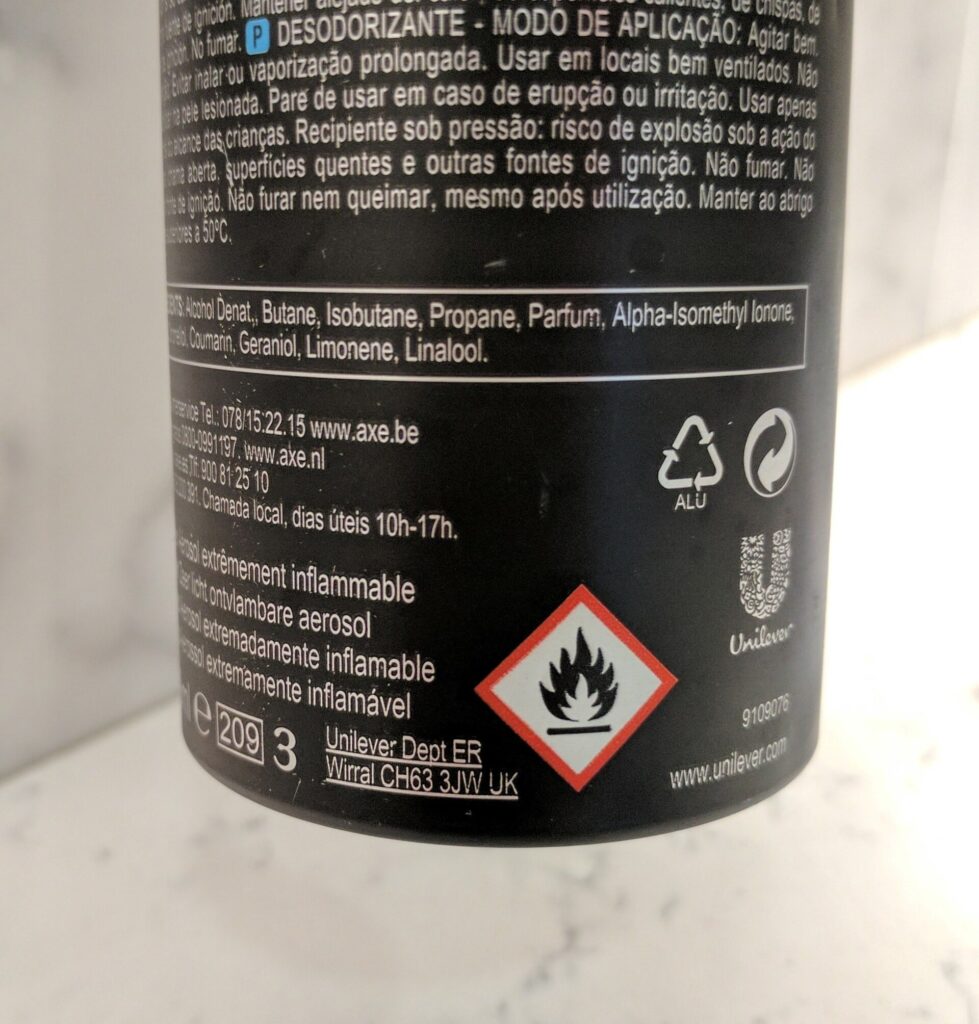
Aerosol cans sit at the intersection of two federal regulatory regimes at once: the Department of Transportation (DOT), which governs how they move, and the Consumer Product Safety Commission (CPSC), which governs how they’re labeled and sold. Brands launching an aerosol product — deodorant, spray

Read more

CPSC Choking Hazard Labels: When Your Packaging Needs One

Photo of author

Packaura

/ July 29, 2026

If you sell a toy, game, or kids’ product with small pieces, you’ve probably seen the yellow-bordered “WARNING: CHOKING HAZARD” label on competitors’ packaging and wondered whether you need one too. Getting this wrong in either direction is a problem: skip a required label and

Read more