
If you sell a physical product to California consumers, there’s a good chance Proposition 65 applies to your packaging whether you realize it or not. The law doesn’t just ask you to slap a “WARNING” sticker on a box; it specifies exact wording, minimum type size, symbol dimensions, and where on the package the warning has to sit so a shopper actually sees it before buying.
Get any of those details wrong and you lose the law’s “safe harbor” protection, which is the main reason Prop 65 generates so many enforcement notices and lawsuits every year. This guide walks through what the warning has to say, how big it has to be, and where it has to go, using the current OEHHA safe harbor rules.
Quick Answer
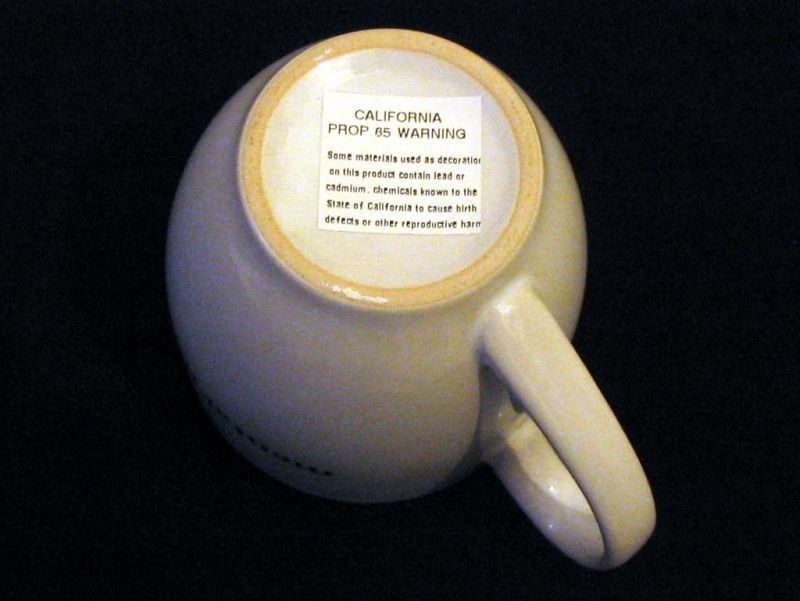
A compliant Prop 65 warning needs three things: the yellow-and-black triangle warning symbol, a signal word (“WARNING,” “CA WARNING,” or “CALIFORNIA WARNING”), and specific wording naming the health hazard and at least one chemical. It must be printed in at least 6-point type, placed where a consumer will see it before purchase (typically the front/principal display panel or another conspicuous spot), and not buried under other text or graphics.
What the Warning Has to Say
Proposition 65, officially the Safe Drinking Water and Toxic Enforcement Act of 1986, requires a warning if your product exposes California consumers to a listed chemical above the state’s risk thresholds. OEHHA (the Office of Environmental Health Hazard Assessment) publishes exact “safe harbor” warning language, and using it word-for-word is what protects you from a claim that your warning was inadequate. Rewording it, even if the meaning stays the same, throws away that protection.
The standard long-form warning for a chemical that’s both a carcinogen and reproductive toxicant reads: “WARNING: This product can expose you to chemicals including [name of chemical], which is known to the State of California to cause cancer and birth defects or other reproductive harm. For more information go to www.P65Warnings.ca.gov.” You substitute in the actual chemical name (or names, if more than one endpoint applies) and adjust the hazard language if the chemical only triggers a cancer or only a reproductive-harm warning.
A short-form version is also available: it drops the full explanatory sentence but still must include the symbol, the signal word, and at least one chemical name per health endpoint (cancer and/or reproductive harm), plus the referral to www.P65Warnings.ca.gov. That chemical-name requirement is relatively new; OEHHA amended the short-form rule effective January 1, 2025, and gave businesses a transition period. Products manufactured and labeled before January 1, 2028 can still use the older short-form wording (which didn’t require naming a chemical) and keep safe harbor protection. Anything labeled on or after that date must use the updated wording.
Short-form warnings are not reserved for products with limited label space. OEHHA’s 2025 amendments dropped the earlier proposal that would have restricted short-form use to small labels, so the short-form option is available on packaging of any size as long as the text still meets the 6-point minimum and stays conspicuous. The real limit on using it is category, not space: products that already have a “tailored” warning specified for their category (foods, furniture, alcoholic beverages, and a few others have their own required wording) must use that tailored language instead of the generic short-form or long-form text.
Size and Symbol Requirements
Type size: warning text must be no smaller than 6-point font. For many general consumer products there’s no separate size rule beyond that, but the underlying standard is that the warning must be “prominently displayed” and “likely to be seen, read, and understood by an ordinary individual under customary conditions of purchase.” If your packaging uses a bigger font for other consumer-facing text, don’t shrink the warning down to bury it.
Symbol: the required warning symbol is a black exclamation point inside a yellow equilateral triangle with a bold black border. It goes to the left of the warning text, and its height must be at least as tall as the word “WARNING” itself. If your label or packaging doesn’t otherwise use color printing, you’re allowed to print the symbol in black and white instead of yellow and black.
Contrast: use a color combination that keeps the text legible against its background, such as black text on white or yellow text on a dark background. A warning that technically contains the right words but disappears visually against busy packaging art can still get you flagged.
Where the Warning Has to Go
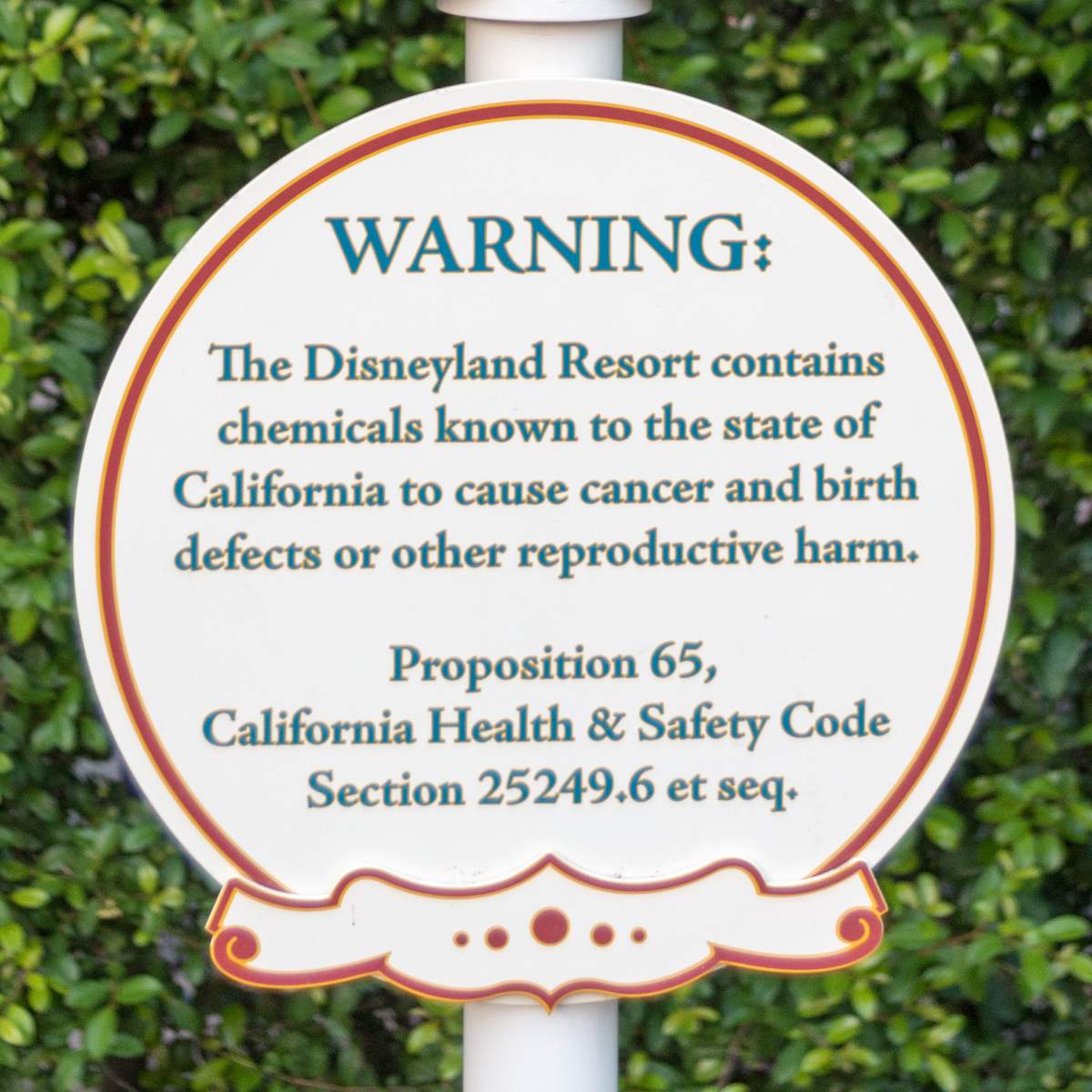
Placement is about timing: the consumer needs to be able to see the warning before they’re exposed to the chemical, which in practice usually means before they buy the product. For most consumer goods that means putting the warning on the product’s label, its immediate container, or its exterior packaging (box, wrapper, etc.) — somewhere a shopper would reasonably encounter it while examining the item on a shelf or in listing photos.
You generally don’t need the warning in multiple places at once; it just has to appear somewhere a consumer will actually see it under normal shopping conditions, often the principal display panel (the front-facing side of a box or label). Don’t tuck it onto a bottom panel, wrap it around a fold, or place it where other design elements, sleeves, or shrink wrap would obscure it.
If you sell online, the warning also has to be visible to the buyer before they complete the purchase — either directly on a product image showing the label, or displayed clearly on the product page or checkout flow. A warning that’s compliant on the physical package but missing from your online listing doesn’t satisfy the law for that sales channel.
Tips / Common Mistakes
Don’t paraphrase the safe harbor language. Businesses sometimes shorten or reword the warning to save label space, thinking the meaning is preserved. Any deviation from the exact safe harbor text removes the legal protection that language was designed to give you, and it’s one of the most common triggers for 60-day notice letters.
Don’t forget the transition deadline. If your packaging still uses the pre-2025 short-form wording without a named chemical, plan your label redesign so anything manufactured on or after January 1, 2028 uses the updated version with the chemical name included.
Don’t assume one warning covers every product variant. If different SKUs or flavors/colors contain different listed chemicals, each variant’s label needs the correct chemical name(s), not a generic copy-pasted warning from a different product.
Don’t let packaging redesigns shrink or reposition the warning as an afterthought. It’s easy for a warning to get pushed to a back panel or resized during an artwork refresh; treat the Prop 65 warning as a fixed, non-negotiable element in your packaging templates, alongside nutrition or safety panels.
Explore more: More packaging compliance guides.
Prop 65 warning labels FAQs
Does Prop 65 apply if my business isn’t based in California?
Yes. Prop 65 applies to any business selling products to California consumers, regardless of where the company is headquartered or manufactures its goods, as long as the business isn’t exempt for having very few employees.
Can I use a QR code instead of printed warning text?
No. A QR code or link can supplement a warning, but it can’t replace the required on-package text, symbol, and signal word. The full warning content has to be readable directly on the label or packaging.
What happens if my warning label doesn’t meet the requirements?
Non-compliant or missing warnings are the basis for the vast majority of Prop 65 enforcement, typically starting with a 60-day notice of violation from a private enforcer, which can lead to penalties and settlement costs if not resolved.
Do I need a warning if the chemical amount in my product is very small?
Only if the exposure falls below the state’s established “no significant risk” or “maximum allowable dose” levels for that specific chemical. Below those thresholds, no warning is legally required, but you need to be able to document the exposure calculation if challenged.
Find the Right Packaging Supplier
Search the free Packaura supplier directory — filter by material, certification, and location to find vetted suppliers. Search the Supplier Directory.
Want packaging news in your inbox? Subscribe to the free newsletter.
Photo: David Prasad from Welches, OR., United States / CC BY 2.0, via Wikimedia Commons.