packaging compliance

PFAS in Food Packaging: Which States Ban It and When

Photo of author

Packaura

/ October 18, 2026

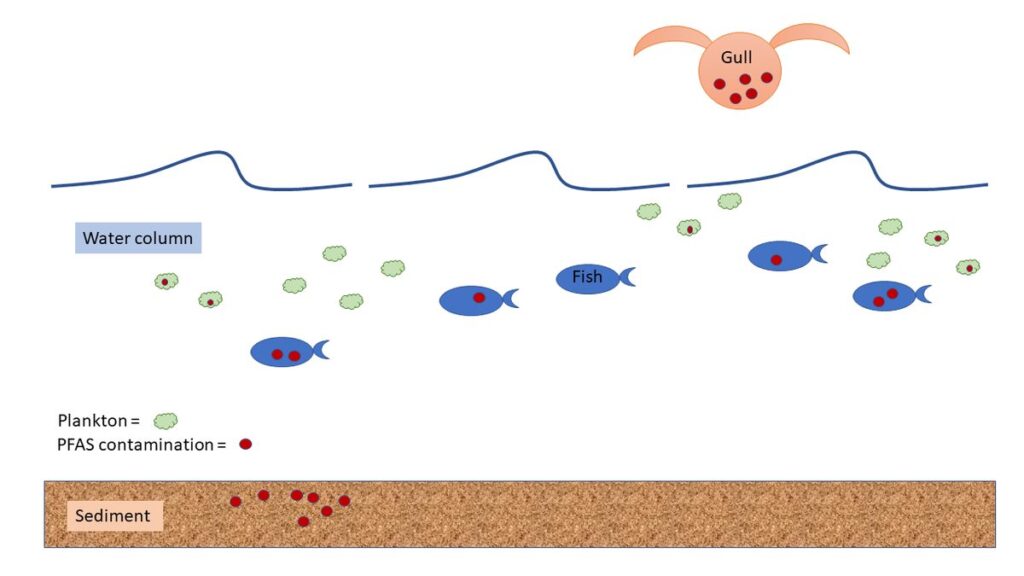
If you sell, distribute, or manufacture food packaging in the U.S., “check your state’s PFAS law” isn’t optional anymore — more than a dozen states now restrict intentionally added PFAS in food packaging, and the list keeps growing every legislative session. This guide walks through

Read more

How to Verify a Supplier’s PFAS-Free Packaging Claim

Photo of author

Packaura

/ October 16, 2026

A supplier telling you their packaging is “PFAS-free” is a marketing statement, not proof. With a growing list of states banning intentionally added PFAS in food packaging and the EU’s Packaging and Packaging Waste Regulation setting hard concentration limits starting August 2026, a verbal or

Read more

How to Find Your 2023 SB 54 Baseline Packaging Weight

Photo of author

Packaura

/ September 26, 2026

California’s SB 54 (the Plastic Pollution Prevention and Packaging Producer Responsibility Act) measures producers’ source-reduction progress against a 2023 baseline: how much plastic covered material was sold, offered for sale, or distributed into California during calendar year 2023. Under 14 CCR § 18980.9, that baseline

Read more

PAO Symbol Guide: When Cosmetic Packaging Needs One

Photo of author

Packaura

/ September 24, 2026

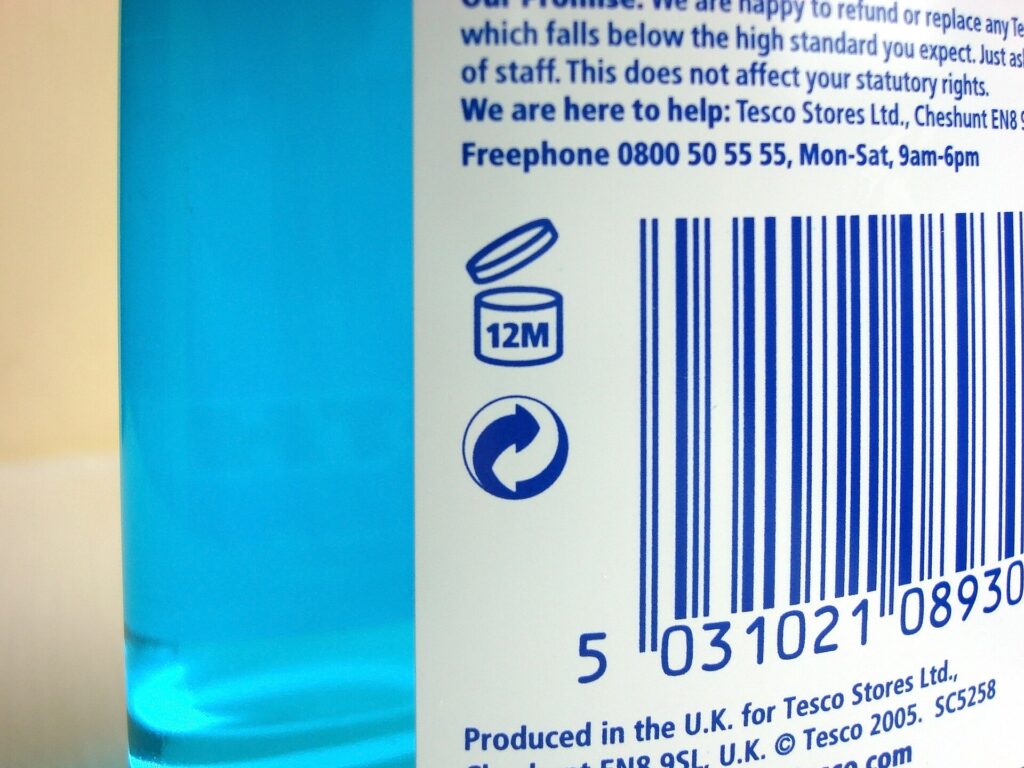
If you’re finalizing artwork for a cream, lotion, or makeup product, you’ve probably run into the little open-jar icon with a number and an “M” next to it — the Period-After-Opening (PAO) symbol. Getting this right matters: in the EU, it’s a legal labeling requirement

Read more

Food Contact Migration Testing Cost: A Budgeting Guide

Photo of author

Packaura

/ September 23, 2026

If you’re bringing a new packaging material, coating, or food-contact product to market, migration testing is one of the line items that’s hardest to budget for — labs rarely post pricing, and the final number depends on a handful of variables most first-time filers don’t

Read more

How to Weigh and Categorize Packaging for EPR Reporting

Photo of author

Packaura

/ September 19, 2026

If your company sells products in a state with an extended producer responsibility (EPR) law for packaging, one of the first hard parts isn’t understanding the regulation, it’s producing accurate weight and material data for everything you ship. Regulators and the producer responsibility organizations (PROs)

Read more

Is Cardboard Food-Safe? Coatings, Grease Resistance & PFAS

Photo of author

Packaura

/ September 15, 2026

Plain, uncoated cardboard is actually FDA-compliant for direct contact with dry foods, as long as the fiber and any additives meet federal requirements — a coating isn’t automatically required just to call cardboard “food-safe.” Where a coating or barrier treatment becomes necessary is grease, oil,

Read more

EPR De Minimis Exemption: Do You Qualify in CA, OR, CO, ME?

Photo of author

Packaura

/ September 10, 2026

If your brand sells packaged goods into California, Oregon, Colorado, or Maine, you may be swept into that state’s Extended Producer Responsibility (EPR) packaging law even if you’re a small operation. The good news: all four programs carve out a “small producer” or de minimis

Read more

ASTM D6400: Certification, Testing & Standards Guide

Photo of author

Packaura

/ August 26, 2026

If your packaging is labeled compostable in the U.S., regulators, retailers, and buyers increasingly expect proof, not just a marketing claim. ASTM D6400 is the technical standard behind that proof, and third-party certification, most commonly through the Biodegradable Products Institute (BPI), is how you demonstrate

Read more

Essential Oil Labels: FDA Cosmetic vs. Drug Claims

Photo of author

Packaura

/ August 25, 2026

If you sell essential oils, the biggest legal risk usually isn’t your ingredient list — it’s your marketing copy. The FDA doesn’t regulate essential oils as a category; it regulates them based on what your label, website, and sales reps say they do. Cross the

Read more

Maine EPR Packaging Law: What Brands Need to Know

Photo of author

Packaura

/ August 16, 2026

Maine made history in 2021 as the first U.S. state to pass an extended producer responsibility (EPR) law for packaging. But headlines about Oregon’s and Colorado’s programs going live have left a lot of brands assuming Maine’s is right behind them — it isn’t. Implementation

Read more

Washington EPR Packaging Law: A Compliance Timeline

Photo of author

Packaura

/ August 14, 2026

Washington became the seventh U.S. state to pass a packaging extended producer responsibility (EPR) law when Governor Bob Ferguson signed SB 5284, the Recycling Reform Act, on May 17, 2025. If your brand sells packaged consumer products into Washington, the law creates a new set

Read more