
Every terminally sterilized medical device needs a sterile barrier system, and the material you pick for it changes how the device gets sterilized, how long it stays sterile, and how much the package costs per unit. Tyvek, medical-grade paper, and non-porous film all show up constantly in device packaging, and they’re often talked about as if they’re interchangeable. They’re not.
This guide breaks down what each material actually is, which sterilization methods it works with, where it typically shows up in a finished pouch or tray, and how to think through the tradeoffs so you’re not guessing when you spec packaging for a new device.
Quick Answer
Use Tyvek when your device is sterilized by ethylene oxide (EO), gamma, e-beam, or hydrogen peroxide gas plasma and needs a strong, puncture-resistant, high-performance microbial barrier — it’s the only one of the three that works with gas plasma. Use medical-grade paper when cost matters more than top-end durability and the device is sterilized by EO or steam autoclave; never pair paper with gas plasma, since cellulose absorbs and neutralizes the hydrogen peroxide sterilant before it reaches an effective concentration. Use non-porous film as the clear, see-through partner web sealed to either paper or Tyvek — film alone can’t be gas- or steam-sterilized because it doesn’t let sterilant or moisture pass through.
How Tyvek, Paper, and Film Actually Differ
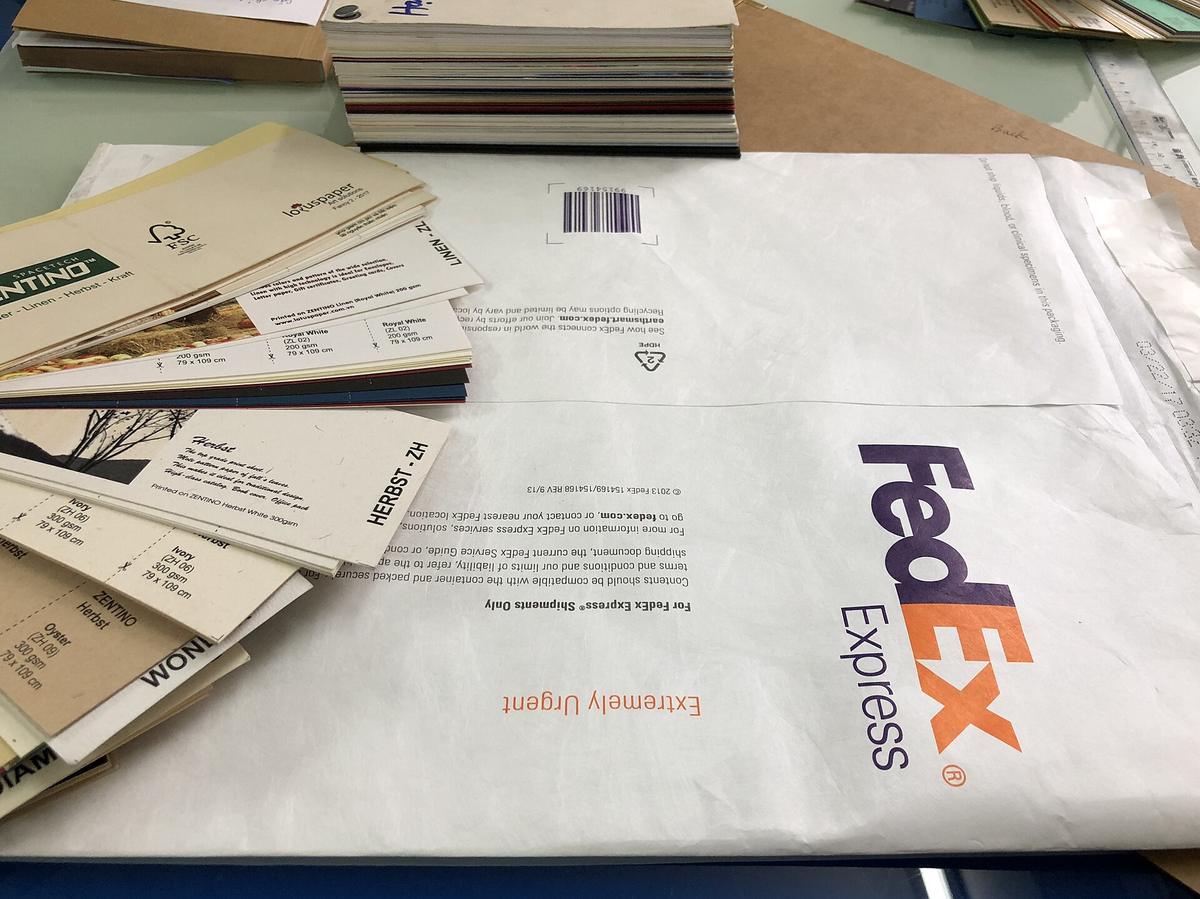
Tyvek is DuPont’s spunbonded high-density polyethylene (HDPE) material — instead of woven fibers, it’s made of continuous plastic filaments bonded into a sheet. That structure gives it a microbial barrier and puncture resistance that’s reported to run several times stronger than medical-grade paper at an equivalent weight, plus a more consistent performance across humidity swings. HDPE is also chemically stable under oxidizing sterilant gases, which is why Tyvek is the material that works across the widest range of sterilization methods, including hydrogen peroxide gas plasma. The tradeoff is price: Tyvek costs noticeably more per square foot than paper due to its more involved manufacturing process.
Medical-grade paper is a coated, strengthened kraft paper engineered to be porous enough for steam or ethylene oxide gas to penetrate while still blocking microorganisms once sealed. Sterilization pouches commonly pair a paper web (often in the roughly 60-70 gsm range) with a clear plastic film, heat-sealed together. Paper is the more economical option and meets standard requirements for sterile barrier systems in EO and steam processes, but it’s more sensitive to rough handling, moisture, and repeated flexing than Tyvek. Critically, that same cellulose structure is chemically reactive with hydrogen peroxide — it absorbs and breaks down the sterilant before the gas plasma cycle can reach an effective concentration — so medical-grade paper cannot serve as the porous web in hydrogen peroxide gas plasma sterilization under any circumstance.
Film, on the other hand, is non-porous. It’s typically a laminate — common constructions pair an outer polyester (PET) layer with an inner polyethylene (PE) or polypropylene (PP) sealant layer. Because film doesn’t breathe, it can’t be used alone as the sterilant-permeable side of a pouch for EO, steam, or gas plasma processes. Instead, it forms the clear “window” side of a chevron or pouch, sealed to a porous paper or Tyvek web that does the actual gas or steam exchange. Fully non-porous film-to-film constructions are reserved for methods that don’t require gas or moisture penetration, like gamma or e-beam irradiation.
Matching the Material to Your Sterilization Method
Sterilization method should drive the material choice, not the other way around. If your device is sterilized with ethylene oxide, gamma, or e-beam, both Tyvek and medical-grade paper can work as the porous web, with Tyvek generally preferred where puncture resistance or a sharper, more consistent microbial barrier matters. Hydrogen peroxide gas plasma sterilization (as used in systems like STERRAD) is the exception: it requires Tyvek, full stop. Cellulose-based materials like medical-grade paper and cotton wraps react with and deplete the hydrogen peroxide sterilant before it can reach an effective concentration, which can cause the cycle to abort or, worse, leave the load inadequately sterilized — there is no paper-based packaging that is compatible with gas plasma cycles.
If your device is steam-autoclaved, paper is the safer default — Tyvek’s HDPE structure has a low melting point and can fuse to instruments or the tray under standard autoclave temperatures, so it’s generally not recommended for steam sterilization.
For gamma or e-beam sterilization specifically, packaging doesn’t need to breathe at all, since there’s no gas or moisture to exchange. That opens the door to fully non-porous film-to-film pouches or foil laminate barrier pouches, which can offer better moisture and oxygen barrier than a porous web — useful for moisture-sensitive implants or long-shelf-life products.
Header bags — the larger bags used to hold sterilized components or instrument sets — follow the same logic at a bigger scale. Tyvek header bags hold up better to handling and repeated flexing in sterile processing departments, while paper header bags are the lower-cost choice when the extra durability isn’t needed and gas plasma isn’t in play.
Tips and Common Mistakes
Don’t pick a material before you know the sterilization method — this is the single most common spec error. A pouch designed and validated for EO won’t necessarily perform the same way under gamma, and a paper pouch run through a hydrogen peroxide gas plasma cycle can fail to sterilize the load at all, not just fail structurally.
Any change to the paper, film, Tyvek grade, or supplier requires re-validation under ISO 11607-1 and 11607-2, since packaging validation is tied to the specific material and process combination, not just the general material type. Treat ‘equivalent’ materials from a new supplier as a validation project, not a drop-in swap.
Match basis weight and grade to the device’s weight and sharpness, not just to what a competitor uses — a lightweight paper that’s fine for gauze can fail seal integrity or get punctured under a heavier orthopedic instrument. And remember film is a partner material, not a replacement for the porous web in a gas- or steam-sterilized pouch — it can’t do that job alone.
Explore more: more packaging materials guides.
Tyvek vs. paper vs. film FAQs
Can Tyvek be sterilized in a steam autoclave?
Generally no. Tyvek is made of high-density polyethylene, which has a relatively low melting point, so standard autoclave temperatures can melt or fuse it to the load. Medical-grade paper is the more common choice for steam-sterilized packaging.
Does hydrogen peroxide gas plasma sterilization work with paper packaging?
No, never. Cellulose-based materials like medical-grade paper react with and absorb the hydrogen peroxide sterilant, depleting it from the chamber before it can reach an effective concentration on the load. Tyvek, made of nonabsorbent, chemically stable HDPE, is the only packaging material suitable for gas plasma systems like STERRAD.
Is Tyvek always better than paper?
Not necessarily — it’s better on puncture resistance, consistency across humidity conditions, and it’s required for gas plasma sterilization, but it costs more and isn’t compatible with steam sterilization. Paper is often the right call for lighter, less sharp devices sterilized by EO or steam where cost matters.
Why do sterile pouches use film if film can’t be sterilized directly?
Film forms the clear side of the pouch so users can see the contents without opening it. It’s sealed to a porous paper or Tyvek web, which handles the actual sterilant or steam penetration; the film itself just needs to seal well and stay clear and intact.
Find the Right Packaging Supplier
Search the free Packaura supplier directory — filter by material, certification, and location to find vetted suppliers. Search the Supplier Directory.
Want packaging news in your inbox? Subscribe to the free newsletter.
Photo: Scott Ehardt / Public domain, via Wikimedia Commons.