Materials

Sustainable E-Commerce Packaging: Cost vs. Performance

Photo of author

Packaura

/ July 18, 2026

Switching to sustainable packaging feels like it should be simple: swap plastic for something greener. In practice, e-commerce brands have to weigh a half-dozen materials against very different cost structures, protection levels, and recycling or composting realities — and getting it wrong means damaged shipments,

Read more

Paperboard Grades Explained: SBS, CUK, and CRB

Photo of author

Packaura

/ July 17, 2026

Pick the wrong paperboard grade and you’ll find out the hard way — either your box costs more than it needs to, or it cracks on the fold, tears in transit, or looks dull next to a competitor’s product on the shelf. Most folding cartons

Read more

Rigid vs Flexible Packaging: How to Choose the Right Format

Photo of author

Packaura

/ July 12, 2026

Choosing between rigid and flexible packaging is one of the first decisions a brand makes when bringing a product to market, and it shapes everything downstream: unit cost, shipping weight, shelf presence, and how sustainable your packaging actually is once you factor in materials and

Read more

Retort Pouch Material: The Complete Layer-by-Layer Guide

Photo of author

Packaura

/ July 8, 2026

A retort pouch looks like a simple foil bag, but it’s doing something most flexible packaging never has to survive: sitting in a pressurized steam autoclave at well over 250°F while staying sealed, intact, and food-safe. Get the material stack wrong and you don’t find

Read more

Tinplate vs Aluminum Aerosol Cans: A Buyer’s Guide

Photo of author

Packaura

/ July 6, 2026

Picking a can material feels like a small decision until you’re locked into a supplier, a tooling cost, and a shelf look you can’t easily change. Tinplate and aluminum are the two dominant choices for aerosol packaging, and each pulls a brand in a different

Read more

PLA vs PBAT: Which Compostable Film Fits Your Product?

Photo of author

Packaura

/ July 3, 2026

If you’re sourcing compostable packaging, you’ve probably run into two resin names over and over: PLA and PBAT. They’re often blended together in the same pouch or film, but they behave very differently on their own — and picking the wrong one (or the wrong

Read more

Mycelium Packaging vs Styrofoam (EPS): Cost & Compost

Photo of author

Packaura

/ July 1, 2026

Every shipper eventually asks the same question: keep using the foam that’s protected boxes for 70+ years, or switch to something that grows itself? Expanded polystyrene (EPS) — the material most people just call Styrofoam — has been the default protective packaging material since the

Read more

Is Glass Better Than Plastic? What LCA Data Shows

Photo of author

Packaura

/ June 29, 2026

If you’ve ever reached for a glass jar over a plastic bottle because it felt more sustainable, you’re not alone — but the science doesn’t always back that instinct. Life cycle assessments (LCAs), which measure environmental impact from raw material extraction through end-of-life disposal, repeatedly

Read more

9 Crucial Electronics Packaging Standards for ESD Protection

Photo of author

Packaura

/ June 25, 2026

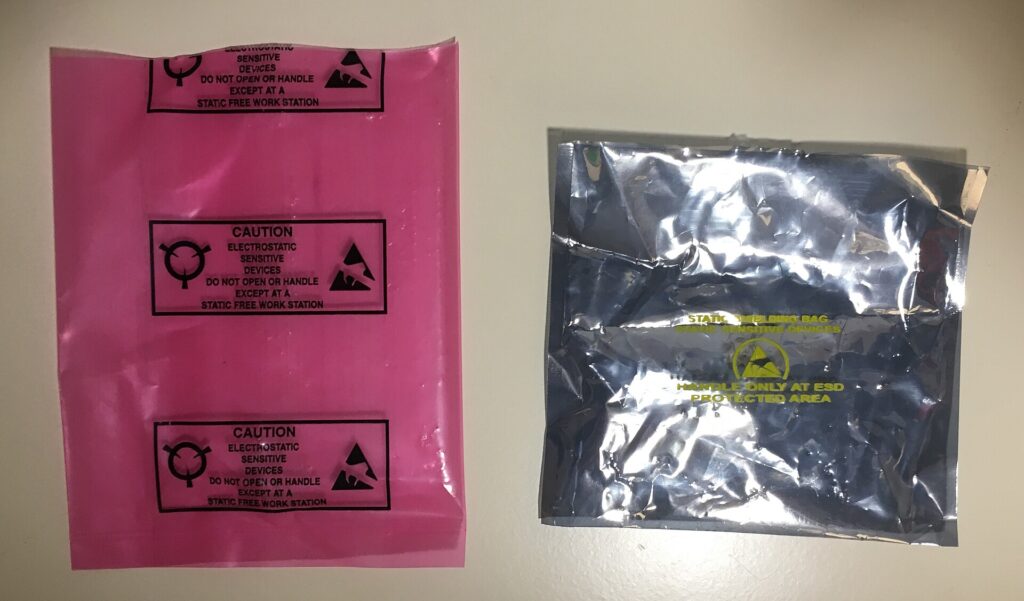
Electronics packaging must protect sensitive components from electrostatic discharge (ESD), moisture, mechanical shock, and corrosion across global supply chains. From individual semiconductor reels to consumer electronics retail boxes, specialized packaging materials and methods preserve product integrity. This guide breaks down the ESD standards, dry-pack requirements,

Read more

Honeycomb Paper vs Bubble Wrap: Which Wins for Shipping?

Photo of author

Packaura

/ June 24, 2026

Honeycomb paper wrap vs bubble wrap is one of the most common packaging decisions e-commerce shippers face, and the old assumption — that bubble wrap is automatically more protective — no longer holds up. Cushioning research and real-world shipping data show honeycomb paper matches bubble

Read more

Kraft Paper vs White Paper for Food Packaging: Full Comparison

Photo of author

Packaura

/ June 22, 2026

Whether you’re launching a new food product or rethinking your current packaging, the choice between kraft paper and white paper shapes everything from shelf performance to brand perception to end-of-life recyclability. Both are widely used, both can be made PFAS-free, and both can handle greasy

Read more

Molded Pulp vs EPS Foam: Best Packaging for Fragile Products

Photo of author

Packaura

/ June 21, 2026

When you’re packing fragile products—electronics, glassware, medical devices, or any item that can’t survive a rough journey—your choice of cushioning material matters more than most shippers realize. Molded pulp and EPS (expanded polystyrene) foam are two of the most widely used protective packaging options, but

Read more

HDPE vs Resin vs LDPE vs PP: Which Plastic Wins?

Photo of author

Packaura

/ June 16, 2026

Choosing the wrong plastic resin can mean deformed containers, failed hot-fill runs, or packaging that can’t back up a recyclability claim — all avoidable problems if you know the tradeoffs before tooling is cut. HDPE, LDPE, and PP cover the vast majority of plastic packaging

Read more

Paperboard vs Cardboard: Differences, Grades & Uses

Photo of author

Packaura

/ June 16, 2026

Walk into any packaging supplier and ask for ‘cardboard boxes’ and you’ll immediately get a follow-up question: paperboard carton or corrugated shipper? Most people use ‘cardboard’ as a catch-all word for anything made of pressed paper, but paperboard and corrugated cardboard are structurally different materials

Read more

11 Powerful Corrugated Box Engineering Specifications

Photo of author

Packaura

/ June 11, 2026

Corrugated box specifications determine whether shipping cases survive distribution intact or arrive crushed and damaged. Understanding flute profiles, board grades, edge crush test (ECT), and burst strength ratings empowers packaging engineers and procurement teams to specify boxes that match performance requirements without overpaying for unnecessary

Read more

9 Essential Glass Container Specifications for Brand Buyers

Photo of author

Packaura

/ June 2, 2026

Glass container specifications drive product positioning, line speed, and total landed cost across food, beverage, cosmetics, and pharmaceutical categories. From wine bottles to perfume flacons to amber pharma vials, glass remains the substrate of choice when premium positioning, inertness, or oxygen barrier requirements dominate. This

Read more