
The bottle is more than a container for a supplement. It is part of the product’s shelf-life system. The wrong material can let moisture into capsules, expose light-sensitive ingredients, or clash with your brand positioning. The right one protects the formula and fits your budget and shipping needs.
This guide compares HDPE, PET and glass for supplement bottles. It covers moisture and oxygen protection, light blocking, weight, sustainability and compliance. It ends with a simple process for choosing between them and a list of mistakes to avoid.
Quick Answer
For most dry supplements such as capsules, tablets and powders, HDPE is the practical default. It has a low water vapor transmission rate, it is opaque, and it is durable and affordable. PET suits products where you want clarity, such as gummies, liquids and some softgels, and where moisture sensitivity is moderate. Glass gives the best overall barrier and a premium look, but it is heavier, breakable and usually costs more to ship.
How the Three Materials Compare
HDPE (high-density polyethylene, recycling code 2) is naturally opaque. It has a lower water vapor transmission rate than PET, which is why it is so common for moisture-sensitive capsules and tablets. It handles cold storage and higher temperatures well and is tough enough to survive shipping. The trade-offs are that you cannot see the product through it, and its oxygen barrier is weaker than PET’s or glass’s.
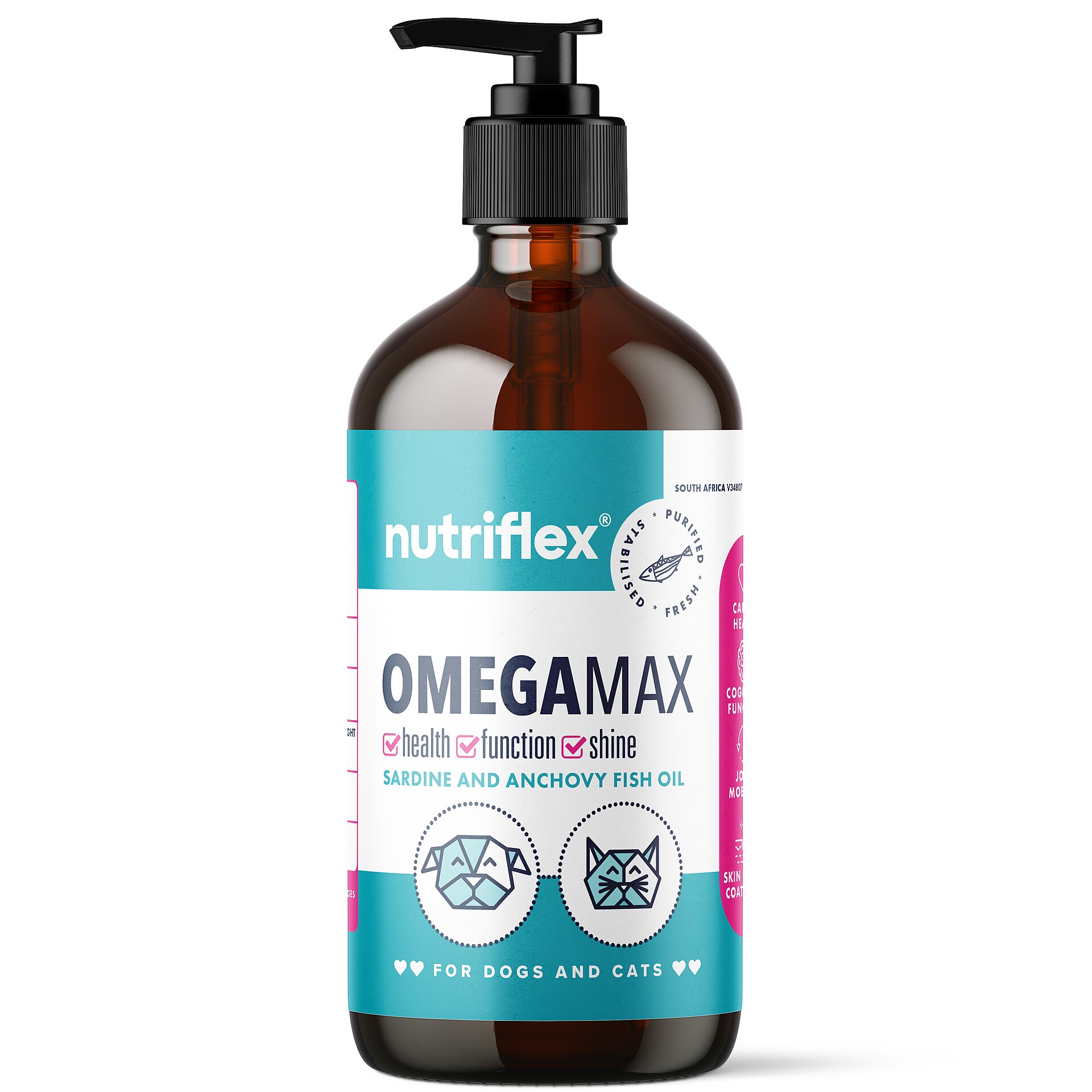
PET (polyethylene terephthalate, recycling code 1) offers glass-like clarity and lets you show off colorful gummies or softgels. It resists stress cracking, is lightweight, and is widely used for food, beverage and nutraceutical packaging. Its gas barrier is good, but its moisture protection is more limited than HDPE’s, and clear PET offers little protection against light unless you choose a tinted resin.
Glass is non-porous, so it provides the strongest moisture and oxygen barrier of the three. Published testing of glass, PET and HDPE pharmaceutical bottles found glass performing best on both counts. Its barrier also stayed stable across changing storage conditions, while plastic bottles showed higher moisture transmission in hot, humid conditions. Amber and other tinted glass also blocks light. The downsides are weight, breakage risk and shipping cost, plus the need for careful closure selection.
How to Choose: A Step-by-Step Approach
Step 1: Identify what your formula is sensitive to. Hygroscopic powders, probiotics and effervescent tablets need the strongest moisture protection. Oils, some vitamins and botanical extracts may need oxygen and light protection. Your formulator or stability testing should tell you which risk matters most.
Step 2: Match the material to the dosage form. Capsules, tablets and powders usually go into HDPE. Gummies and softgels, which are less moisture-sensitive but visually appealing, often go into PET. Liquids, tinctures and premium oils often go into amber glass or PET, depending on compatibility and positioning.
Step 3: Consider the whole package, not just the bottle. The closure, liner, induction seal, desiccant and headspace all affect protection. A high-barrier bottle with a poor closure will still fail. Ask suppliers about liner materials and whether sealing and desiccants are recommended for your product.
Step 4: Weigh brand, logistics and sustainability. Clear PET and glass show the product and can signal quality. HDPE is lighter and cheaper to ship, and glass is heavier and more fragile. PET has broad recycling collection, while HDPE collection is sometimes lower even though both are recyclable. Check what local programs accept before making recycling claims.
Step 5: Verify with stability testing. Never rely on material properties alone. Run stability testing on your finished formula in the actual container-closure system and confirm the results before scaling up.
Compliance Considerations
In the US, dietary supplement manufacturers must follow the FDA’s current good manufacturing practice rule in 21 CFR Part 111. Under 21 CFR 111.410, you must determine that your packaging meets specifications so its condition ensures the quality of the supplement. Packaging must also be examined against the master manufacturing record before use. Choose containers that are made for food contact, and get documentation from your supplier. Ask for food-contact compliance statements and specifications, and keep them on file.
Tips / Common Mistakes
Choosing clear PET or clear glass for a light-sensitive formula is a common mistake. Use amber or opaque packaging when light exposure is a concern.
Picking a bottle purely on price, then discovering that products clump or lose potency, is another. Moisture protection is cheaper than reformulating or refunding customers.
Ignoring bottle size can matter too. Published barrier testing found that moisture transmission in PET and HDPE depended on bottle size and surface area, so a small bottle behaves differently from a large one.
Skipping stability data for the exact container-closure combination is the biggest risk. Test the finished package, and retest if you change the bottle, resin, liner or closure.
Making sustainability claims you cannot back up is a further trap. Recyclable in principle is not the same as accepted in every local program.
Explore more: More packaging materials guides.
Supplement bottle materials FAQs
Is HDPE or PET better for supplement capsules?
HDPE is usually the better choice for capsules and tablets because it has a lower water vapor transmission rate than PET and blocks light. PET can work for less moisture-sensitive products, especially when you want to show the contents.
Is glass better than plastic for supplements?
Glass offers the best barrier against moisture and oxygen, and amber glass also blocks light. It is heavier and more fragile, so plastic is often more practical for dry supplements. Glass tends to make sense for liquids, oils and premium positioning.
Do supplement bottles need to be food grade?
Yes. Packaging that contacts a dietary supplement should be suitable for food contact, and under FDA’s dietary supplement cGMP rules you must confirm that packaging meets your specifications so it protects product quality. Get compliance documentation from your supplier.
Are HDPE and PET bottles recyclable?
Both are recyclable plastics, coded 2 for HDPE and 1 for PET. Actual recyclability depends on local collection programs, and PET is generally collected more widely.
Find the Right Packaging Supplier
Search the free Packaura supplier directory — filter by material, certification, and location to find vetted suppliers. Search the Supplier Directory.
Want packaging news in your inbox? Subscribe to the free newsletter.
Photo: Ragesoss / CC BY-SA 3.0, via Wikimedia Commons.