
Electronics packaging has a harder job than most: it has to survive drops, block static discharge, and still look premium on a shelf or in an unboxing video — all while a growing share of buyers and regulators expect it to be recyclable or plastic-free. That combination has made the category slower to change than, say, apparel or food packaging, but the options have genuinely improved in the last few years.
This guide walks through the materials that actually hold up for phones, chargers, cables, and other tech accessories, how to protect static-sensitive components without foam or bubble wrap, which certifications are worth checking for, and the mistakes that trip up even experienced buyers.

Quick Answer
For most electronics and tech accessories, the sustainable packaging stack is: a recycled or FSC-certified corrugated outer box, molded fiber (pulp) trays or inserts instead of plastic clamshells, and paper-based or recycled ESD-safe film for anything static-sensitive. Skip loose-fill plastic and virgin foam where you can — molded fiber and paper honeycomb wrap now do the same job for most consumer electronics.
Materials That Actually Hold Up for Electronics
Molded fiber (pulp) trays, made from recycled paper, cardboard, or agricultural fiber, have become the default replacement for plastic clamshells and foam inserts. They can be molded to a precise fit around a device, which matters for cushioning during shipping, and they’re widely recyclable through standard paper streams. The tradeoff: standard molded pulp isn’t naturally water-resistant, so suppliers add a coating or a separate moisture barrier if the product needs it.
Recycled corrugated cardboard remains the workhorse for outer boxes and mailers — look for post-consumer recycled content plus FSC certification on the virgin fiber portion. For padding and void fill, paper honeycomb wrap and crumpled kraft paper have mostly replaced plastic air pillows and packing peanuts for small accessories like cables, chargers, and earbuds. Mycelium (mushroom-based) packaging is a niche but real option for premium or fragile items — it’s grown to shape and compostable, though it costs more and has longer lead times than molded fiber.
For lightweight accessories that don’t need rigid protection, compostable or recycled-content mailers (paper, or PLA/PBAT-based film) work well for e-commerce shipping, especially for cables, cases, and small peripherals that don’t need a retail box at all.
Protecting Static-Sensitive Components Without Foam or Plastic Film
Anything with exposed circuitry — motherboards, RAM, drives, some cables and connectors — still needs ESD (electrostatic discharge) protection, and that’s the part buyers most often assume has to be plastic. It doesn’t, entirely. Anti-static kraft paper and coated paper wraps now provide static protection for lightly sensitive components and are recyclable where standard pink or metallic ESD bags aren’t.
For components that need full Faraday-cage shielding, recycled ESD film — made from post-consumer or post-industrial plastic blended with dissipative additives — performs comparably to virgin ESD plastic and cuts down on new plastic use. Conductive fiberboard liners and dissipative corrugated inserts are another option for trays and dividers that need static control without a plastic bag. The practical rule: match the protection level to the actual sensitivity of the part — don’t default every SKU to a metallic ESD bag when a static-dissipative paper wrap or lighter-duty film would do the job.
Certifications, Labels, and the New EU Rules
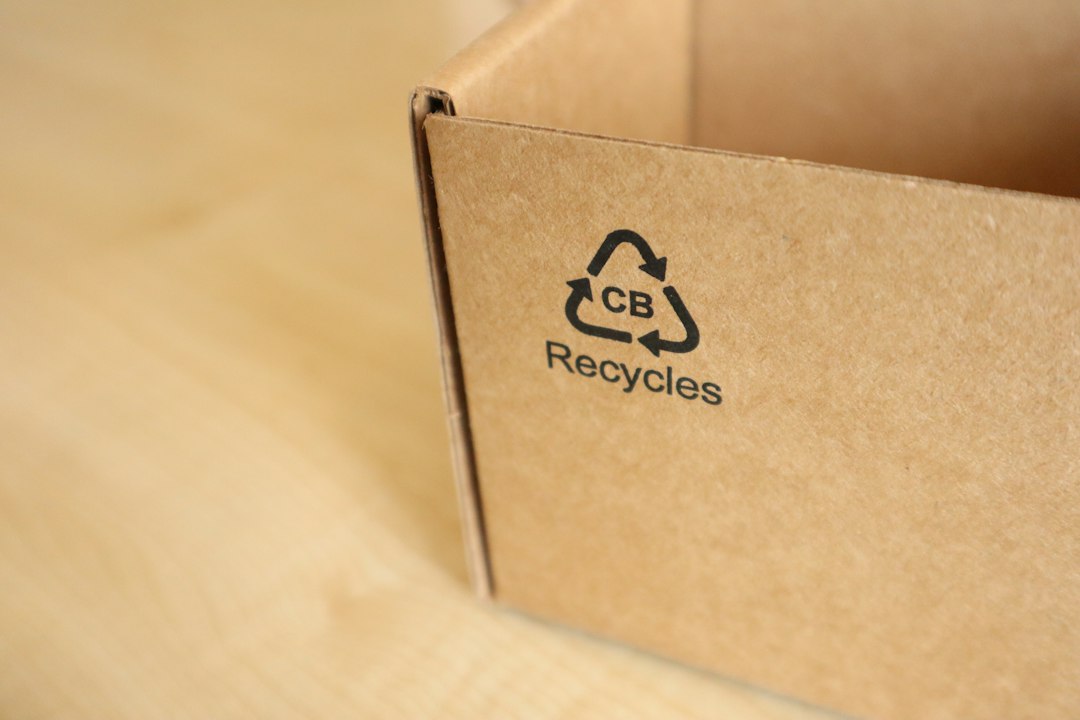
Three labels come up constantly and mean different things. FSC certification covers where the wood fiber came from — FSC 100% means all-certified fiber, FSC Mix blends certified and recycled sources, and FSC Recycled means reclaimed material only. It says nothing about whether the finished package is recyclable if it’s laminated to plastic. How2Recycle, common in North America, isn’t a certification at all — it’s a labeling system telling the end user whether a package is Widely Recyclable, Check Locally, Store Drop-Off, or Not Yet Recyclable, based on real collection infrastructure. Compostable certifications (like BPI in the US) are a third, separate claim, and most only apply to industrial composting, not a home compost bin.
If you sell into the EU, the Packaging and Packaging Waste Regulation (PPWR) began applying broadly from 12 August 2026, with its first wave of obligations covering areas like restricted substances and the identification and responsibilities of manufacturers and importers, with further requirements phasing in over the following years. A separate, later requirement targets empty space directly: from 1 January 2030 or later (the date is tied to the Commission’s calculation methodology), businesses filling e-commerce, grouped, or transport packaging must keep the empty space ratio to a maximum of 50% of the package’s total volume, with some allowance where extra space is genuinely needed to protect the goods in transit. There’s no small-business exemption from PPWR generally, so it’s worth reviewing your packaging design against the 2026 baseline requirements now, and starting to think about box sizing ahead of the empty-space limit.
Tips and Common Mistakes
Don’t assume ‘recyclable’ and ‘recycled content’ are the same claim — a box can be made from 100% virgin fiber and still be recyclable, or made from recycled content and be hard to recycle again if it’s coated or laminated. Check both separately. Watch for mixed-material traps: a molded fiber tray glued to a plastic window, or a paper mailer with a plastic bubble lining, often can’t be recycled as a unit even though each material alone would be fine — mono-material designs are easier for end users to actually recycle. Oversized boxes with excess void fill are one of the most common and most fixable mistakes; right-sizing packaging cuts material cost and shipping emissions at the same time it gets you ahead of rules like PPWR’s upcoming empty-space limit. Finally, test ESD-safe paper and recycled film alternatives against your actual failure rate before switching an entire SKU — static protection needs vary a lot by component, and a wrap that’s fine for a charging cable may not be enough for a bare circuit board.
Explore more: more sustainable packaging guides.
Sustainable packaging for electronics FAQs
Is molded fiber packaging as protective as plastic foam for electronics?
For most consumer electronics — phones, chargers, small accessories, earbuds — molded fiber trays provide comparable drop and shock protection when designed with a precise fit around the product. It’s less suited to items needing full waterproofing unless a coating or separate moisture barrier is added.
Can ESD-safe packaging be recyclable?
Yes. Anti-static kraft paper and paper-based wraps handle lighter static-sensitive items and recycle with standard paper streams. For components needing full shielding, recycled-content ESD film with dissipative additives offers similar protection to virgin plastic ESD bags while using less new plastic.
What does the EU’s PPWR empty-space rule mean for e-commerce packaging?
From 1 January 2030 or later (depending on when the Commission’s calculation methodology is adopted), businesses that fill e-commerce, grouped, or transport packaging within the EU must keep the empty space ratio at or below 50% of the package’s total volume, with some allowance when extra space is needed to protect the product. This is separate from PPWR’s broader requirements, which began applying from 12 August 2026.
Find the Right Packaging Supplier
Search the free Packaura supplier directory — filter by material, certification, and location to find vetted suppliers. Search the Supplier Directory.
Want packaging news in your inbox? Subscribe to the free newsletter.
Photo by Giorgio Trovato on Unsplash.