
Selling the same product in stores and online used to mean running two separate packaging lines: a shelf-friendly box for retail and a shipping-tough box for direct-to-consumer orders. For most small and mid-size brands, that duplication is expensive and hard to manage. The good news is that a single, well-engineered pack can usually do both jobs.
This guide walks through how to design packaging that holds up in a parcel network, looks right on a shelf or in an unboxing video, and doesn’t force you to maintain two SKUs of the same box.
Quick Answer
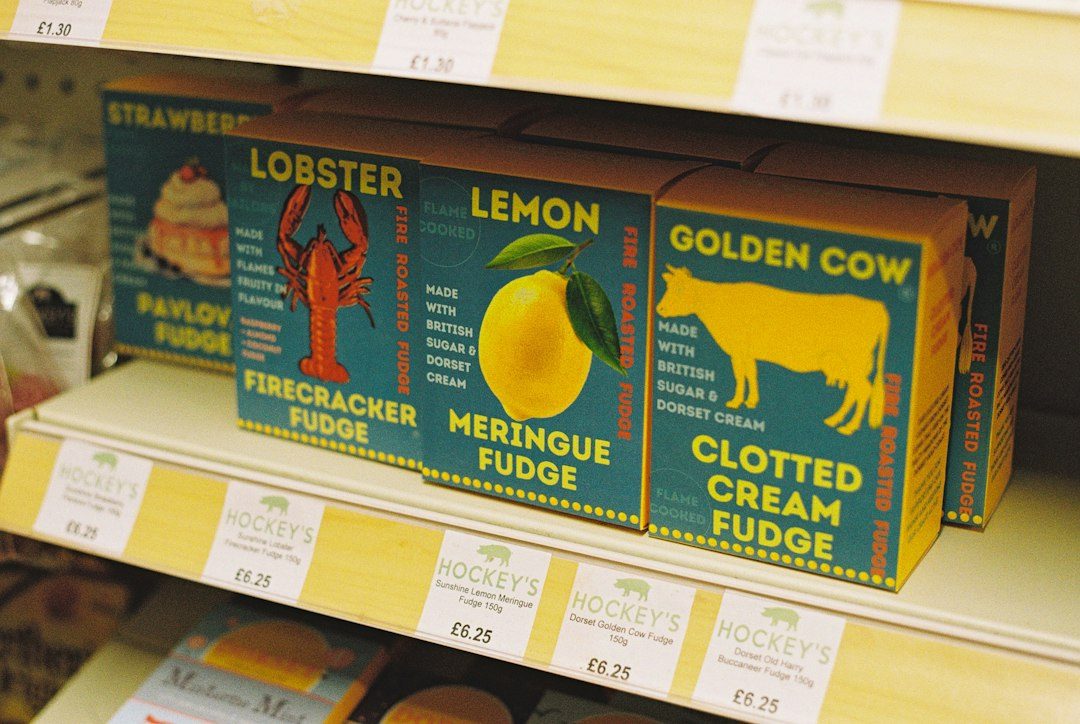
Design around the harder job first (parcel shipping), then layer on retail requirements like shelf-facing graphics, barcode placement, and easy-open features. Use a structurally sound outer case, add protective inserts only where the product needs them, and keep branding/labeling zones separate from carrier labels so one pack can move through either channel without redesign.
Start With the Shipping Environment, Not the Shelf
Retail packaging historically only had to survive a controlled trip: pallet, truck, stockroom, shelf. E-commerce packaging has to survive conveyor belts, parcel sorting machines, multiple handoffs, and being dropped, which is a much rougher ride. If you design for the shelf first and bolt on shipping protection later, you usually end up with an awkward overbox and extra packaging waste.
Instead, start by defining the product’s fragility, weight, and value, then test the base package against realistic shipping stresses: compression (stacked weight), vibration, and repeated drops from table height. The International Safe Transit Association (ISTA) publishes several relevant test procedures. ISTA 3A is a general simulation test many brands use as a baseline for parcel-delivery shipments up to 150 pounds, and it isn’t tied to one carrier. Some carriers also run their own named procedures on top of that baseline: FedEx, for example, offers complimentary package testing through its own packaging lab that simulates its specific Express and Ground shipping environments, separate from the generic ISTA 3A test. Amazon takes a different approach entirely, requiring packages shipped in its own container to pass its own ISTA 6-Amazon.com procedure for its fulfillment network, which is specific to Amazon and isn’t a standard other carriers test against. Even if you’re not selling on Amazon, running a similar drop-and-compression check with a local test lab or a DIY version (drop the packed box from about 3 feet on each face and corner) will tell you quickly whether your retail box can survive a parcel trip as-is, or needs reinforcement.
If the retail box passes those checks without modification, you likely need only one SKU. If it doesn’t, the fix is usually one of a few things: upgrading flute strength on the corrugated case, adding corner or edge protection, or using a snug inner tray so the product can’t shift and absorb repeated impacts.
Build One Case That Serves Both Channels
A common approach that avoids running two packaging lines is a dual-purpose case: a single corrugated outer box designed to work as both a shipper and a shelf display. For retail, the case opens (often via a perforated or die-cut front panel) into a tray that staff slide directly onto the shelf, sometimes called shelf-ready or retail-ready packaging. For e-commerce, that same case ships as-is, or with a thin insert or void fill added inside to stop movement, since it no longer needs to survive a store’s stockroom handling only.
To make one case work for both, separate the zones on the box early in the design: a shelf-facing panel for in-store branding and the retail barcode, a less-visible panel (often the bottom or a side flap) reserved for shipping labels and carrier barcodes, and structural elements (handles, perforations, tuck flaps) that don’t interfere with either use. If a retailer’s shelf-ready packaging guidelines require specific case dimensions, opening methods, or barcode placement, check those requirements before finalizing art, since big-box retailers and grocery chains often publish their own RRP specs that override general best practice.
Inner protection should scale to the product, not the channel. A lightweight, durable item (like packaged snacks or a simple accessory) may need nothing more than a well-fitted case. A breakable or high-value item usually needs a molded pulp tray, foam insert, or corrugated divider that stays in the box whether it’s going to a shelf or a doorstep, so you’re not swapping components based on destination.
Tips and Common Mistakes
Don’t let void fill double as your only protection. Air pillows and loose fill can shift or deflate in transit; a snug-fitting insert or correctly sized box (the product should not be able to move more than about half an inch inside the case) is more reliable for both channel types.
Keep the unboxing experience in mind even for retail-first products, since photos and videos of your packaging now circulate online whether or not you sell direct-to-consumer. Features like an easy-open tab, a printed interior panel, or a simple insert holding items in place cost little but improve perceived quality in either setting.
Avoid printing permanent, channel-specific information (like ‘in-store only’ pricing or promotions) directly on a case you intend to reuse across retail and e-commerce. Use a label or sticker for anything that might change between a store shipment and a direct order.
Test with the actual product, not a mock-up. Weight distribution, center of gravity, and fragile points vary enough between products that a packaging design validated on one SKU can fail on a heavier or oddly shaped variant in the same product line.
If you sell through a major e-commerce marketplace in addition to retail, check that marketplace’s current frustration-free or ships-in-own-container packaging requirements before finalizing your design, since failing to comply can mean the marketplace adds its own overbox at your expense, undoing the work you did to keep packaging lean.
Explore more: More packaging design guides.
Frequently Asked Questions
Can I really use the same box for retail shelves and e-commerce shipping?
In most cases, yes. A corrugated case designed around shelf-ready packaging principles, with barcode and branding zones kept separate from label areas, can usually ship direct-to-consumer with just an added insert or void fill for extra protection.
What’s the biggest difference between retail and e-commerce packaging requirements?
Retail packaging is optimized for shelf appeal and fast, low-effort stocking by store staff. E-commerce packaging has to survive a rougher, less controlled parcel network on its own, since there’s no store employee checking it for damage before a customer receives it.
Do I need to pass a specific test before selling on Amazon or another marketplace?
Amazon requires packaging shipped in its own container to pass its ISTA 6-Amazon.com procedure or qualify under its frustration-free/ships-in-own-container program, and that procedure is specific to Amazon’s own fulfillment network. Other carriers and marketplaces generally test against broader standards like ISTA 3A, though some individual carriers, such as FedEx, also run their own carrier-specific package testing programs. Check the current requirements for your specific carrier or marketplace before finalizing packaging.
How do I keep shipping labels from covering my retail branding?
Reserve a specific panel, usually the bottom or one side, exclusively for carrier and shipping labels during the design phase, and keep all branding, product information, and the retail barcode on a separate shelf-facing panel.
Find the Right Packaging Supplier
Search the free Packaura supplier directory — filter by material, certification, and location to find vetted suppliers. Search the Supplier Directory.
Want packaging news in your inbox? Subscribe to the free newsletter.
Photo by T on Unsplash.