
“Compostable” is one of the most abused words on a package, and it’s also one of the most legally risky ones to get wrong. Several states now require third-party certification before you can even print the word on a box, and buyers are getting sharper at spotting vague green claims.
This guide walks through the certifications that actually carry weight, a practical process for vetting a supplier’s paperwork instead of just their marketing copy, and the mistakes that get brands flagged for greenwashing.
Quick Answer
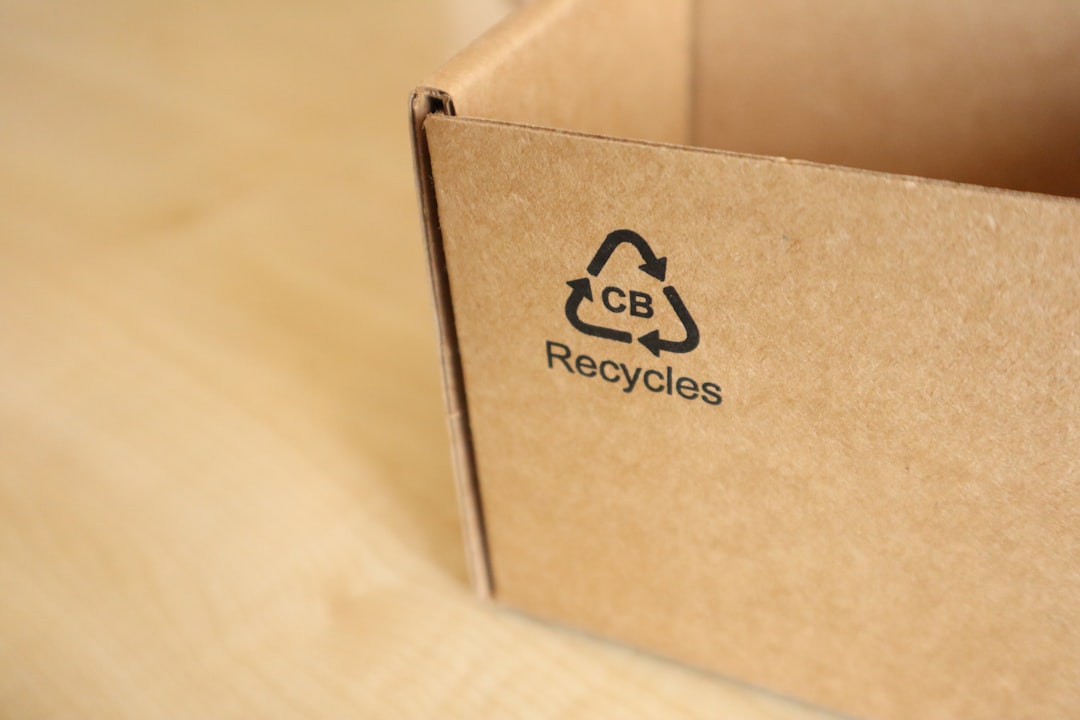
Source compostable packaging only from suppliers who can hand you a current, product-specific certificate from BPI (for the U.S., against ASTM D6400 or D6868) or TÜV Austria/DIN CERTCO (for EN 13432, the standard behind the OK Compost and Seedling marks). Verify the certificate covers your exact product and material, not just the supplier’s product line in general, and confirm it’s still active before you place a purchase order.
Know the Certifications That Actually Matter
In North America, the Biodegradable Products Institute (BPI) is the certification buyers and regulators look for. BPI uses ASTM D6400 as its base standard for plastics designed to compost in industrial facilities, with ASTM D6868 covering packaging that combines bioplastics with paper or fiber substrates, and ASTM D8410 for cellulosic-fiber items (limited to fiber-only substrates, excluding items where a thermoplastic film is laminated to fiber). BPI certification also requires a lab report showing total organic fluorine under 100 ppm, since compostable packaging can’t be a backdoor source of PFAS in finished compost.
In Europe, EN 13432 is the harmonized industrial-composting standard, verified through TÜV Austria or DIN CERTCO and shown on-pack as the ‘Seedling’ or ‘OK Compost’ logo. To pass, a material has to reach at least 90% biodegradation within six months and disintegrate so that at least 90% passes through a 2mm sieve within 12 weeks, along with limits on heavy metals and ecotoxicity. TÜV Austria also issues a separate ‘OK Compost HOME’ mark for materials proven to break down in a backyard bin at ambient temperature, which is a meaningfully higher bar than industrial-only certification — most commercial compostable packaging is NOT home-compostable, so don’t assume one implies the other.
Treat unaffiliated ‘compostable’ or leaf-icon claims with no certificate number attached as a red flag. Anyone can print a logo; only an accredited body issues a verifiable license number tied to a specific SKU.
A Step-by-Step Sourcing Process
First, define the end-of-life path your packaging actually needs. If your customers will only ever have access to municipal curbside compost, a Commercial/Industrial-only certification (BPI or TÜV Austria OK Compost INDUSTRIAL) is sufficient and usually cheaper for the supplier to hold. If you’re marketing to home composters, you need the Home certification specifically — don’t take a supplier’s word that ‘it’s basically the same material.’
Second, ask the supplier for the certificate itself, not a data sheet that mentions certification. A real BPI or TÜV Austria certificate lists the specific product, the license or certificate number, and an expiration date (BPI certifications run on a multi-year cycle and must be renewed). Cross-check that number on the certifying body’s public registry — BPI and TÜV Austria both publish searchable databases of currently certified products.
Third, check where you’re selling. California’s AB 1201 requires any product labeled ‘compostable’ or ‘home compostable’ to carry third-party certification to ASTM D6400 or D6868 from a CalRecycle-approved certifier. The law was also written to require, starting January 1, 2026, that the product qualify as an allowable input under the USDA National Organic Program — but CalRecycle granted a two-year extension on that specific organic-input piece, moving enforcement out to June 30, 2027. In practice, that means products still awaiting formal USDA recognition can stay on California shelves without a label change until that later date, not January 2026. Confirm your target markets and re-check CalRecycle’s guidance as the 2027 deadline approaches, since other states are adopting similar labeling restrictions too.
Fourth, get the fluorine/PFAS test report in writing, especially for molded fiber, bagasse, or coated paper items, since these are the categories most likely to carry added fluorochemicals for grease resistance.
Tips / Common Mistakes
Don’t assume ‘biodegradable’ and ‘compostable’ are interchangeable — biodegradable has no enforceable timeframe or end-state requirement, while compostable certifications specify how fast and how completely a material must break down. The FTC’s Green Guides treat an unqualified ‘biodegradable’ claim as risky unless you can back it up with proof the whole item breaks down within about a year in the disposal environment customers actually use.
Don’t certify the resin and skip the finished product — inks, adhesives, labels, and coatings all have to pass too, and a certifier will require the assembled item, not just the base film or fiber stock.
Don’t rely on a certification that’s about to expire. Ask your supplier for the renewal date up front so you’re not caught mid-production with lapsed paperwork.
Do disclose the disposal reality on pack — the FTC Green Guides call for a claim about industrial composting to note that access to municipal or industrial composting may be limited in the customer’s area, since a ‘compostable’ label is a real claim about a real disposal process, not a general eco-signal.
Explore more: more sourcing and compliance guides for packaging buyers.
certified compostable packaging FAQs
Is BPI certification required by law to use the word ‘compostable’?
Not federally, but several states now require it. California’s AB 1201, for example, mandates third-party certification to ASTM D6400 or D6868 before a product can be labeled compostable or home compostable. The law was originally written to also require, effective January 1, 2026, that the product qualify as an allowable USDA National Organic Program input — but CalRecycle extended enforcement of that specific piece to June 30, 2027 while it waits on formal USDA recognition, so January 2026 is not the live deadline for that requirement.
What’s the difference between BPI and TÜV Austria certification?
BPI certifies against U.S. ASTM standards (D6400, D6868, D8410) and is the certification most recognized in North America. TÜV Austria certifies against Europe’s EN 13432 standard and additionally offers separate industrial and home-composting marks, making it useful for brands selling internationally or targeting home compost claims.
How long does it take to get compostable packaging certified?
Plan for several months to up to a year. Disintegration testing alone takes a minimum of three months for commercial composting and six months for home composting, biodegradation testing takes longer, and the technical review after testing typically adds a few more weeks.
Source Smarter With Packaura Direct
Find packaging suppliers, surplus inventory, and certification — all on Packaura Direct. Try Packaura Direct.
Want packaging news in your inbox? Subscribe to the free newsletter.
Photo by Ochir-Erdene Oyunmedeg on Unsplash.