
Plain, uncoated cardboard is actually FDA-compliant for direct contact with dry foods, as long as the fiber and any additives meet federal requirements — a coating isn’t automatically required just to call cardboard “food-safe.” Where a coating or barrier treatment becomes necessary is grease, oil, and moisture: uncoated board is porous and will let grease from a pizza or fried food soak straight through, and it can carry inks or residues from recycled fiber if that fiber isn’t sourced and tested properly.
For years, the go-to coating for grease- and water-resistance on food packaging was a class of chemicals called PFAS (“forever chemicals”), now being phased out of U.S. food packaging under FDA action and a fast-growing list of state bans. If you sell food-contact cardboard packaging — takeout containers, bakery boxes, popcorn bags, pet food packaging — here’s what “food-safe” actually requires, when a barrier coating is and isn’t necessary, and which PFAS-free alternatives to look for.
Quick Answer
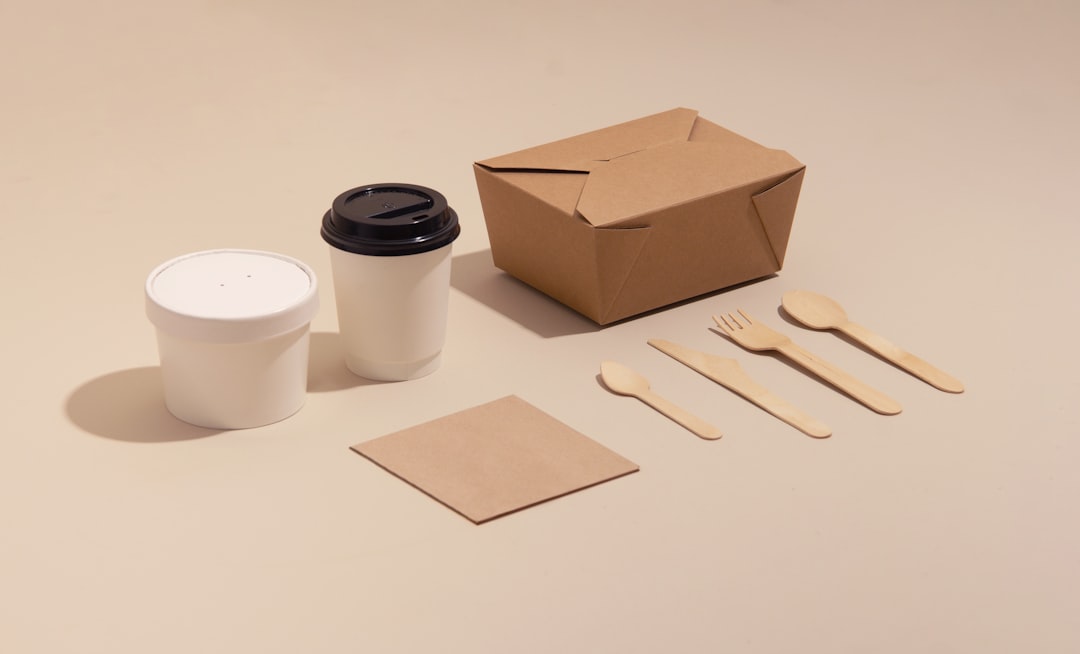
Uncoated cardboard is food-safe for dry foods under FDA regulations (21 CFR 176.170 and 176.180 both explicitly cover “uncoated or coated” paper and paperboard), so no coating is legally required for things like dry-goods boxes or cereal liners. But for anything greasy, oily, or moist — takeout containers, bakery boxes, popcorn bags — you do need a barrier coating or treatment to keep grease and moisture from migrating through the fiber. As of 2025, PFAS-based grease-proofing agents are no longer being sold into the U.S. market for food packaging, so “food-safe, grease-resistant cardboard” now generally means a PFAS-free barrier: PLA or bio-based wax linings, clay coatings, water-based fluorine-free coatings, or mechanically compressed fiber that resists grease without any coating at all.
What Actually Makes Cardboard Food-Safe
Food-contact cardboard has to meet a few separate requirements, and “needs a coating” isn’t automatically one of them. The FDA’s own rules for paper and paperboard components — 21 CFR 176.170 for aqueous and fatty foods, and 21 CFR 176.180 for dry food — both apply to the “uncoated or coated food-contact surface,” meaning uncoated board made from permitted substances is compliant on its own for many uses, especially dry food. A coating only becomes necessary when the application calls for grease, oil, or moisture resistance that plain fiber can’t provide.
Fiber source matters regardless of coating: virgin fiber has no prior-use history, while recycled fiber (common in cereal boxes, shipping cartons repurposed as packaging, and low-cost boxes) can carry trace inks or mineral oil residues from its previous life as newspaper or other printed material. The FDA regulates reclaimed fiber used in food packaging under 21 CFR 176.260, and legitimate suppliers test and certify recycled board specifically for food contact rather than assuming any recycled cardboard is safe to use.
For greasy or wet applications, the surface does need to resist migration into the food — this is the job of a barrier coating or treatment. And any coating, ink, or adhesive used has to itself be an approved food-contact substance under FDA regulations (typically 21 CFR Part 176 for paper and paperboard components) — not just “food-grade” as a marketing term, but tied to an actual FDA clearance or food contact notification.
In short: food-safe cardboard = a clean, traceable fiber source, plus an approved barrier treatment only where grease or moisture resistance is actually needed, plus compliant inks and adhesives throughout.
The PFAS Problem — and What’s Replacing It
For decades, the barrier coating of choice for grease-resistant paper and paperboard was PFAS (per- and polyfluoroalkyl substances) — used on fast-food wrappers, microwave popcorn bags, takeout boxes, and pet food bags because of how well fluorochemicals repel grease, oil, and water. The problem is that PFAS are persistent in the environment and in the body, and can migrate from packaging into food during storage and heating.
The FDA announced in February 2024 that manufacturers had voluntarily stopped selling PFAS-based grease-proofing substances for U.S. food packaging, and in January 2025 it formally determined that the related food contact notifications were no longer in effect, setting a compliance deadline of June 30, 2025 for exhausting existing stock. Separately, a growing number of states have their own bans on intentionally added PFAS in food packaging, including California, New York, Washington, Vermont, Connecticut, Colorado, Maryland, Minnesota, Hawaii, Oregon, and Rhode Island, with more states’ laws phasing in over the next couple of years — so even packaging sold before the federal deadline may already be non-compliant in certain states.
PFAS-free alternatives now on the market include: PLA (polylactic acid) linings, a bio-based plastic coating used by suppliers like Eco-Products and World Centric; clay coatings, used in products like Dart’s Bare by Solo line; bio-based wax coatings marketed under names like Ecowax and Paraflex NoWax; water-based fluorine-free barrier coatings such as EXCEVAL; and mechanically densified fiber, where the paper itself is compressed to resist grease without any added coating (a process used by Nordic Paper). Dozens of PFAS-free coating formulations have now been evaluated for oil and grease resistance, so buyers have real options, not just one substitute.
Tips / Common Mistakes
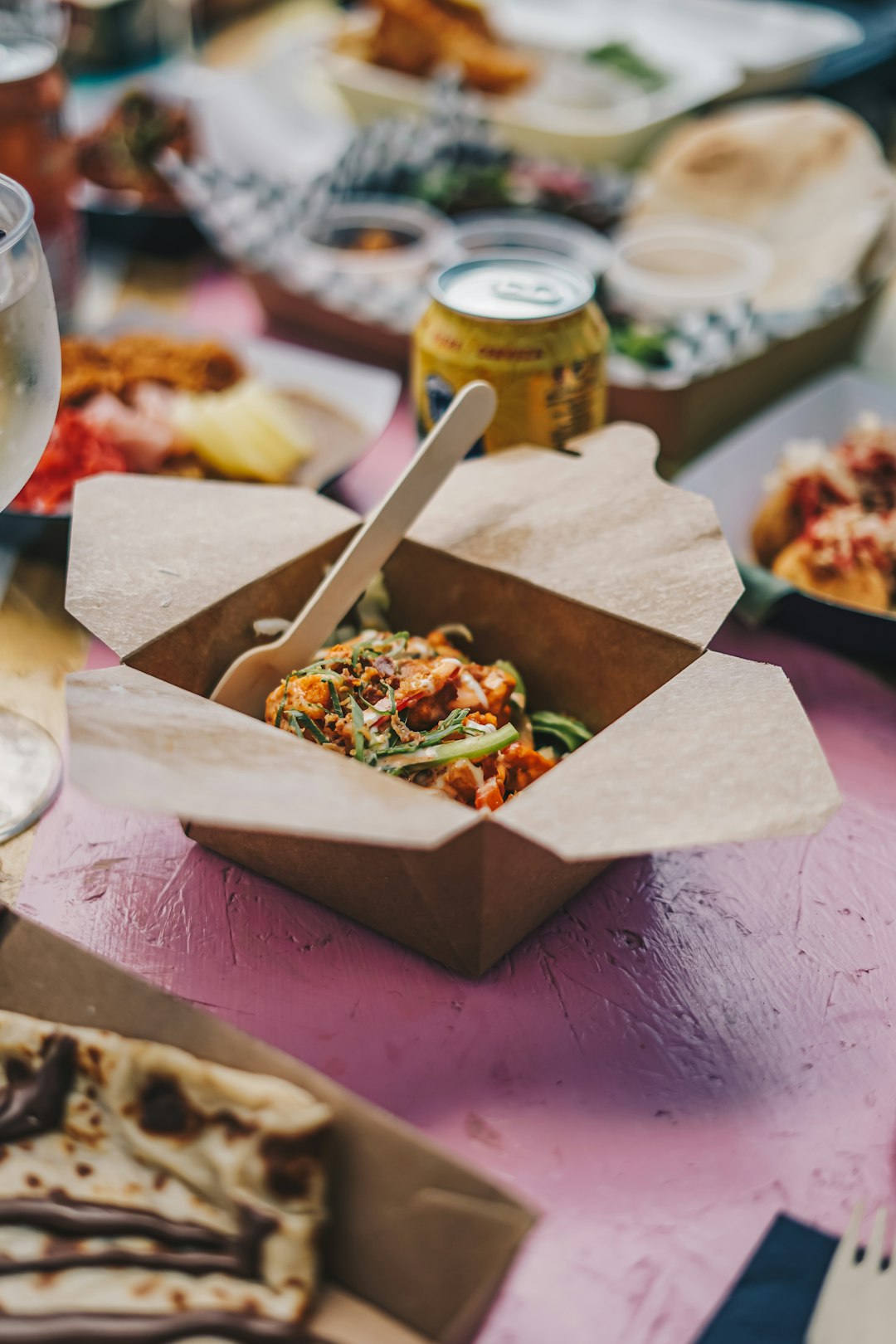
Don’t assume every food-contact box needs a coating — check whether the product is dry, greasy, or moist first. Adding an unnecessary barrier coating adds cost and can work against recyclability or compostability goals for a dry-goods box that never needed one.
Don’t take “food-grade” or “food-safe” on a spec sheet at face value — ask the supplier which FDA regulation or food contact notification the material or coating falls under, and get it in writing. Marketing language isn’t a compliance citation.
If you’re sourcing recycled cardboard for anything touching food directly (not just an outer shipping box), confirm it’s tested and certified for food contact, not just “recycled content” — untested recycled board can carry mineral oil or ink residue.
Check your state’s PFAS packaging law separately from federal status. Because state bans have staggered effective dates and different trigger thresholds, packaging that’s technically still sellable federally may already be banned in states like California or New York.
Match the coating to the product: wax and clay coatings handle light grease well (bakery, deli) but PLA or compressed-fiber options tend to hold up better for hotter, greasier foods. Ask suppliers for grease-resistance (Kit/TAPPI) ratings rather than assuming all PFAS-free coatings perform the same.
Explore more: More packaging compliance guides.
Food-safe cardboard packaging FAQs
Is all cardboard food packaging PFAS-free now?
Not automatically. The FDA confirmed manufacturers stopped selling new PFAS grease-proofing agents for food packaging, with a June 30, 2025 deadline to sell through existing stock, but older inventory or non-compliant imports could still contain PFAS. Ask suppliers for a written PFAS-free confirmation, ideally with test data.
Can I use plain, uncoated cardboard for food?
Yes, for dry, low-moisture, low-grease items — FDA regulations at 21 CFR 176.170 and 176.180 explicitly permit uncoated paper and paperboard for direct food contact, including dry food, as long as the fiber and any additives meet the permitted-substance requirements. A clean, traceable fiber source still matters. For anything with grease or moisture, uncoated cardboard will let it soak through and isn’t a proper barrier — that’s when a coating is genuinely needed.
What’s the difference between food-safe and compostable cardboard packaging?
They’re separate claims. Food-safe means the material — coated or uncoated — is cleared for direct food contact and won’t contaminate the food. Compostable describes end-of-life disposal. A PLA-coated box can be both, but a wax- or clay-coated box may be food-safe without being compostable in a home compost setting.
Find the Right Packaging Supplier
Search the free Packaura supplier directory — filter by material, certification, and location to find vetted suppliers. Search the Supplier Directory.
Want packaging news in your inbox? Subscribe to the free newsletter.
Photo: Gates of Ale / CC BY-SA 3.0, via Wikimedia Commons.