
A buyer walking a trade show floor decides whether to stop at your booth in seconds, and your packaging does most of that talking before you say a word. A flat printout or a rough mockup reads as unfinished, while a sample that looks and feels like a real retail product signals you’re ready to ship.
This guide covers how to design, produce, and present packaging samples that hold up to a buyer’s hands-on inspection, plus the labeling, variety, and logistics details that separate a booth that gets orders from one that gets polite nods.
Quick Answer
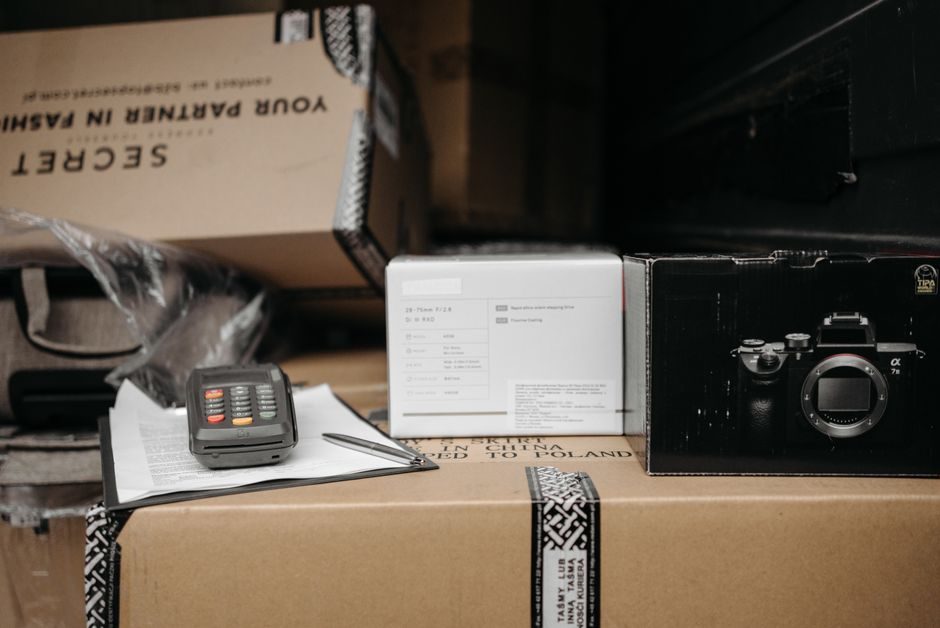
Winning trade show packaging samples are full 3D prototypes (not flat printouts) made with the same materials, inks, and finishes you intend to use in production, labeled with your brand, product name, and contact details, and shown in a few real variations so buyers can picture your full line on their shelf.
Build the Sample Like a Finished Product, Not a Mockup
Flat, one-dimensional renderings don’t survive contact with a buyer’s hands. A folding carton that hasn’t been scored and glued, or a label that’s just a printed sheet taped to a box, looks unfinished and makes it harder to judge fit, weight, and shelf presence. Have your sample die-cut, folded, and assembled into its real 3D form before the show.
Match materials to what you’ll actually run in production: the same stock weight, finish (matte, gloss, soft-touch), and ink set. Buyers pick packaging up, turn it over, and check the closure or seal, so a prototype that feels like a stand-in will undercut an otherwise strong pitch. If you’re still choosing between finishes or structural options, bring two or three short-run prototypes so you can gauge reactions rather than guessing.
Budget time for this before the show, not the week of. Short-run packaging prototypes and sample labels typically take longer to produce than you’d expect once you factor in die-cutting, proofing, and any custom finishes, so build in a buffer ahead of your ship date.
Label and Stock Samples So Buyers Can Act on What They See
Every sample on your table should carry, at minimum, your brand name, the product’s common name, and a way to reach you (contact info or a QR code to your line sheet). If the product category has labeling requirements, such as ingredient or compliance callouts for food, cosmetics, or supplements, your show samples should reflect those requirements, not a simplified version you plan to fix later.
Bring enough product to give real samples to the buyers you expect, plus a reasonable margin for walk-up interest, but don’t overpack. Shipping and drayage costs scale with what you bring, so weigh extra inventory against what it actually costs to move it to the show and back.
If you’re displaying items you don’t want handled, handed out, or taken, mark them clearly as “display only.” It’s a small detail, but it keeps your best-looking sample intact through a multi-day show instead of disappearing on day one.
Show more than a single SKU. Buyers are evaluating you as a potential supplier, not just the one package in front of them, so bring a small range of sizes, flavors, scents, or variations that make it easy to picture a fuller line on their shelf.
Tips and Common Mistakes
Treat packaging as part of your show prep from the day you book the booth, not a last-minute task. Order proofs early enough to catch color or structural issues while there’s still time to fix them.
Don’t let the sample contradict your pitch: if you’re telling buyers the packaging is shelf-ready, a sample held together with tape or a visibly rough seam tells them otherwise.
Skipping compliance details to save time is a common misstep. A buyer in food, beverage, or beauty will notice a missing ingredient list or required disclosure faster than almost anything else on the table.
Overpacking variations can backfire too. A table crowded with every possible SKU can look unfocused. Pick the variations that best represent where the line is headed and let your sell sheet cover the rest.
Explore more: More packaging design guides.
Trade show packaging samples FAQs
Should trade show packaging samples be fully finished or just rough mockups?
Fully finished, 3D prototypes work far better than flat mockups. Buyers want to pick up and handle something close to what they’d see on a shelf, and a rough or flat sample makes it harder for them to judge quality or commit.
How many packaging variations should I bring to a trade show?
Enough to show range without overwhelming the table, typically a handful of sizes, flavors, or finishes that represent your line’s direction. Too few makes you look like a one-product company; too many can clutter the display.
What should be printed on a trade show packaging sample?
At minimum, your brand name, the product’s common name, and contact information, plus any category-specific requirements like ingredient lists for food or cosmetics. Treat the sample’s labeling as production-ready, not a placeholder.
Find the Right Packaging Supplier
Search the free Packaura supplier directory — filter by material, certification, and location to find vetted suppliers. Search the Supplier Directory.
Want packaging news in your inbox? Subscribe to the free newsletter.
Photo by Matheus Bertelli on Pexels.