
A roll of tissue paper looks interchangeable whether it’s padding a gift basket or lining a bread basket, but regulators don’t treat it that way. Paper that touches food directly, even briefly, falls under food-contact packaging rules, and plain gift-wrap or craft tissue was never made or tested to meet them.
This guide explains what separates food-grade tissue from the decorative kind, what U.S. rules actually require, and the mistakes that get bakeries and delis in trouble with health inspectors.

Quick Answer
Only tissue paper manufactured and labeled as food-grade or food-safe should touch bread, pastries, sandwiches, deli meat, or any other food directly. Standard decorative, gift-wrap, or craft tissue paper is not formulated or tested for food contact and shouldn’t be used as a liner, wrap, or basket filler for anything a customer will eat.
What Actually Makes Tissue Paper Food-Grade
In the U.S., paper and paperboard intended to touch food are regulated under FDA rules in 21 CFR Part 176, which governs what substances can be present in paper that contacts food (sections 176.170 and 176.180 cover paper in contact with aqueous/fatty foods and dry foods, respectively). Food-grade tissue is made to stay within those limits: it uses pulp, additives, and coatings that are approved for food contact and won’t transfer harmful amounts of chemicals into what it’s wrapping.
Fiber source matters here. Decorative tissue is frequently made from recycled fiber, which can carry residues from previous print runs, inks, or other paper products. Food-grade tissue is typically produced from virgin pulp specifically to avoid that risk. Dyes and fragrances common in gift tissue are also a concern — bright colors and scents are not required to be food-safe, and moisture from food (grease, condensation, warm baked goods) can cause dye to bleed onto the product.
It’s also worth knowing that FDA led a push to get PFAS-based grease-proofing chemicals out of U.S. food packaging paper; by FDA’s own account, those substances were no longer being sold into the U.S. market for that use as of early 2024, with remaining old-stock authorizations phased out in 2025. This mainly affected grease-resistant wrappers and bags rather than plain tissue, but it’s part of why buying from a supplier that documents food-contact compliance matters more than guessing based on how a paper looks or feels.
How to Tell the Difference Before You Buy
Look for tissue explicitly sold and labeled as food-grade, food-safe, or deli/bakery tissue — not general gift-wrap tissue, even if it’s unprinted and looks plain. Reputable suppliers of food-grade tissue will say so on the product listing or packaging and can provide documentation (a certificate of compliance or spec sheet referencing FDA food-contact status) if you ask.
If a product’s listing doesn’t mention food contact at all, assume it isn’t rated for it. Craft stores, party supply aisles, and generic gift-wrap tissue are made for presentation, not consumption-adjacent use, and manufacturers of that paper have no obligation to test or formulate it for food safety.
When in doubt, ask your packaging distributor directly whether a specific tissue SKU is approved for direct food contact. This is a normal question for a food-service packaging supplier and a reasonable one for a health inspector to ask about during a review.
Tips and Common Mistakes
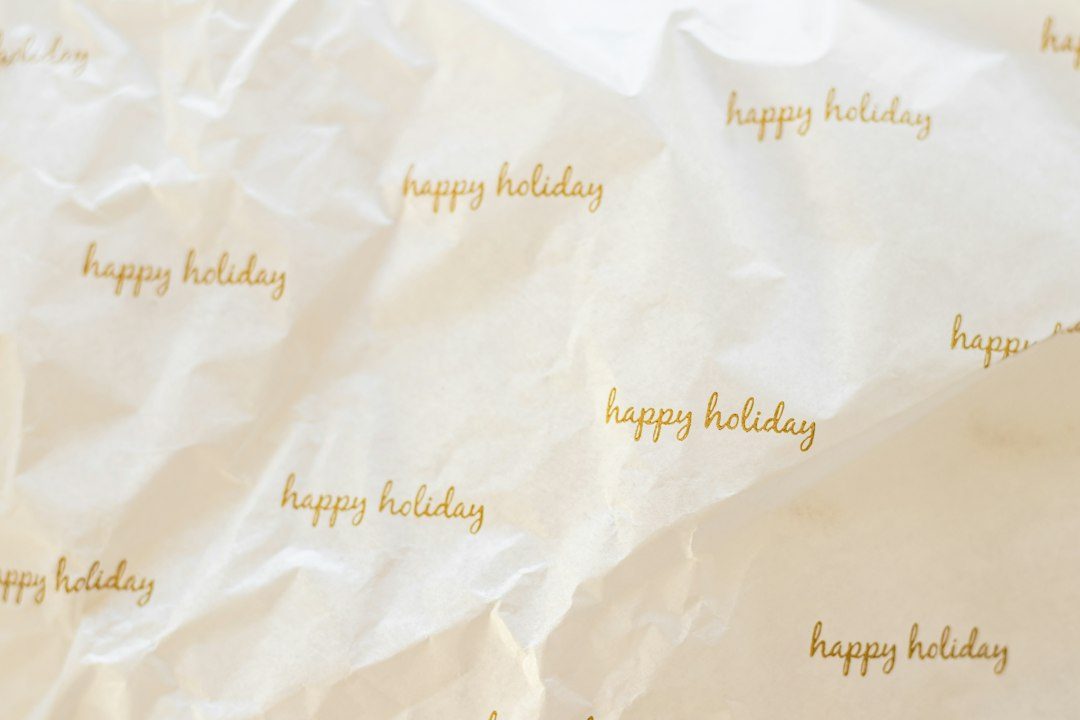
A frequent mistake is using printed or colored tissue as a basket liner under bread or pastries because it ‘isn’t really touching’ the food for long — any direct contact, even brief, counts. Another is assuming unbleached or kraft-look tissue is automatically food-safe; appearance isn’t a reliable indicator, and the only thing that matters is whether the specific product was made and labeled for food contact.
Also avoid repurposing newspaper, magazine pages, or other recycled print paper as food wrap or liner — these can carry mineral-oil residues from printing inks that migrate into food, which is a well-documented concern with recycled-fiber papers generally.
If you currently use decorative tissue anywhere food touches it directly — lining bread baskets, wrapping sandwiches, cradling pastries in a display case — switch to a labeled food-grade tissue and keep a record of the supplier’s compliance documentation in case a health inspector asks.
Explore more: More food packaging compliance guides.
Food-safe tissue paper FAQs
Can I use regular gift tissue paper for food if it’s unprinted and plain white?
No. Even plain, undyed tissue sold for gift-wrapping isn’t manufactured or tested to food-contact standards, so it shouldn’t be assumed safe just because it has no visible ink or color.
Is parchment paper the same as food-safe tissue paper?
No, they’re different products. Parchment is a silicone-coated, grease-resistant paper designed for baking and direct food contact; tissue paper is thinner and is only food-safe when specifically manufactured and labeled as such for that purpose.
Does colored food-grade tissue exist, or does it have to be plain?
Colored food-grade tissue exists, but the dyes used must be approved for food contact under FDA rules — the color itself isn’t the issue, the dye formulation and testing behind it is. Always confirm with the supplier that a colored product is rated for food contact, not just food-adjacent packaging.
Find the Right Packaging Supplier
Search the free Packaura supplier directory — filter by material, certification, and location to find vetted suppliers. Search the Supplier Directory.
Want packaging news in your inbox? Subscribe to the free newsletter.
Photo by Stefan Hiienurm on Unsplash.