
If a box keeps popping open in transit, or a customer says a package arrived with the tape peeling loose, the tape itself is usually the culprit — not the box. The two main contenders for carton sealing are water-activated tape (also called gummed tape or kraft paper tape) and plastic pressure-sensitive tape (polypropylene or acrylic tape you peel off a roll).
They aren’t interchangeable. One bonds into the box itself; the other sits on the surface. This guide breaks down how each works, when each one wins, and how to choose without overspending on equipment you don’t need.

Quick Answer
Water-activated (gummed) tape seals boxes better for durability and security because its adhesive soaks into the cardboard’s paper fibers and dries into a permanent, tamper-evident bond — often with a single strip. Plastic pressure-sensitive tape is more convenient for low volume or occasional shipping since it needs no water, no dispenser, and no drying time, but it usually takes two or three strips and can be peeled or cut without leaving evidence.
How Each Tape Actually Bonds to a Box
Water-activated tape is kraft paper coated with a starch-based adhesive that’s inactive until wetted. Run it through a water-fed dispenser (or wet it with a sponge for small volumes), press it onto the box, and the moistened adhesive penetrates the corrugated fiberboard’s paper fibers. As it dries, it essentially becomes part of the box — you can’t peel it off; you’d tear the cardboard trying. Reinforced versions add a fiberglass filament grid inside the paper for extra tensile strength on heavier or bulkier cartons.
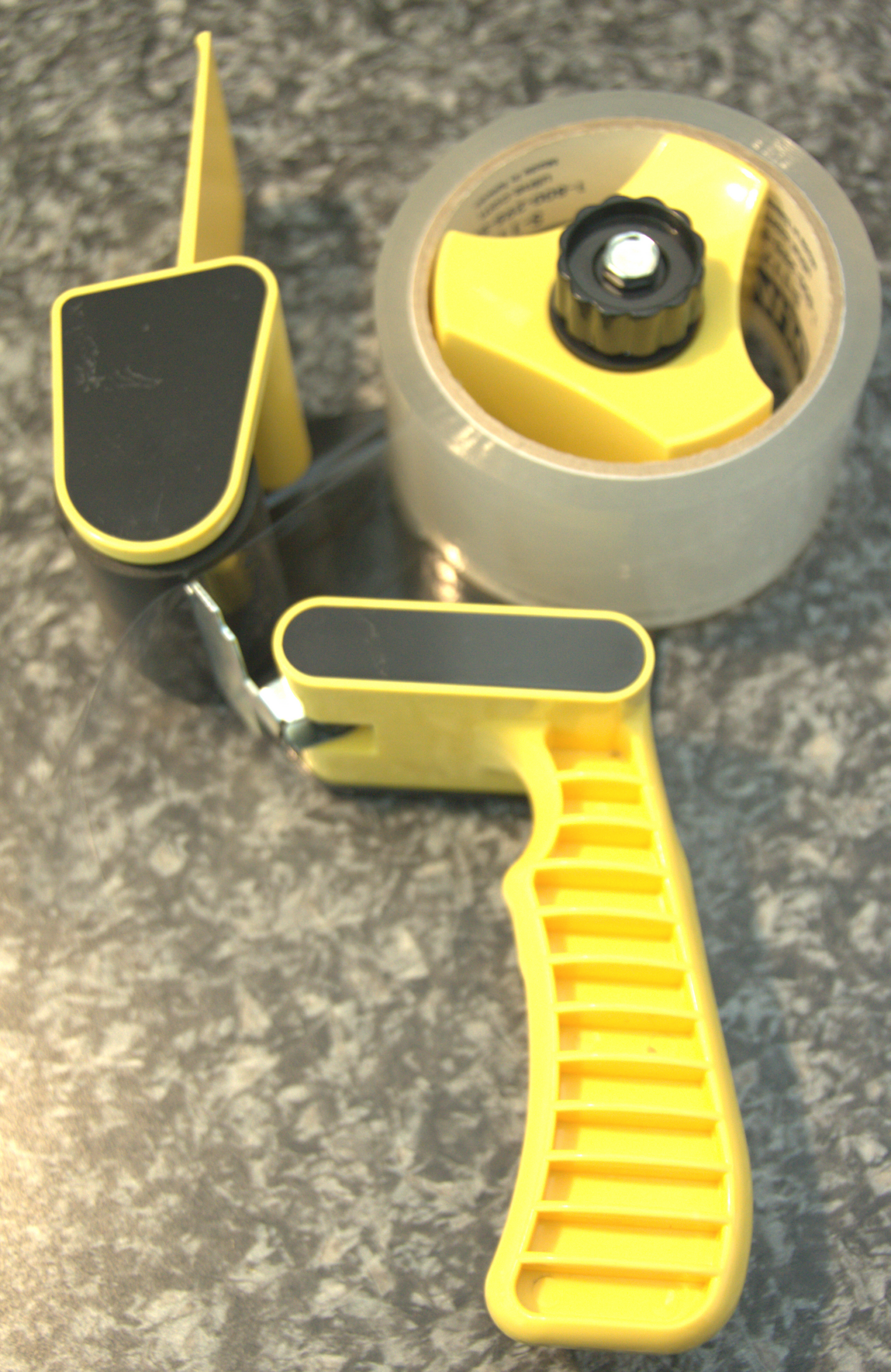
Plastic tape is a polypropylene or PVC film with a pressure-sensitive adhesive (acrylic, hot melt, or natural rubber) already tacky on the roll — press and go, no water or heat needed. But the bond forms only on the surface of the box, not inside the fibers. That’s why it can be picked at a corner and peeled back cleanly, and why it tends to lift in temperature swings, high humidity, or under sustained pressure from heavy contents.
Strength, Security, and Cost Compared
Strength: because water-activated tape bonds into the fibers, one 2- to 3-inch strip across the top and bottom typically outperforms two or three strips of plastic tape on the same box, especially for heavier or long-haul shipments. Reinforced (fiberglass) gummed tape is the standard choice for high-weight or high-value cartons.
Security: water-activated tape is effectively tamper-evident. Any attempt to open the box after sealing visibly damages the tape or the box surface, which matters for retailers dealing with return fraud or high-value shipments. Plastic tape can be sliced and re-taped, or peeled and reapplied, without obvious signs.
Cost and speed: plastic tape wins on simplicity — no dispenser to buy, no water reservoir to refill, and it works cold or in a rush. Water-activated tape needs a dispenser (manual units are the affordable entry point; electric dispensers cost significantly more) and a brief drying period. Per strip of tape, gummed tape tends to cost more than plastic, but because it usually replaces two or three strips of plastic tape per box, the real per-carton cost gap narrows — and for high-volume operations, standardizing on one strip per box also speeds up packing.
Sustainability: kraft paper tape is recyclable right along with the corrugated box, since both are paper products bonded by a starch-based adhesive. Ordinary plastic packing tape is generally fine to leave on the box too — most recycling mills filter out small amounts of tape and labels during pulping — but it’s still a separate plastic material, and some local programs prefer it removed, especially if a box is heavily wrapped in it. Gummed tape avoids the question entirely since there’s no plastic to separate out.
Tips and Common Mistakes
Match the tape to the box, not just the shipment: lightweight mailers or low-volume personal shipping rarely justify a water-activated tape dispenser — plastic tape is fine there. High-volume fulfillment, heavy cartons, or anything where tamper evidence matters (returns, high-value goods, cold-chain items) is where gummed tape earns its keep.
Don’t skimp on width or strip count. A single thin strip of plastic tape, or a partial strip of gummed tape that doesn’t fully cross the seam, is the most common cause of box failure — use a full strip edge-to-edge on both flap seams, not just a short piece over the center.
For water-activated tape, don’t over- or under-wet it. Too little water and the adhesive won’t activate fully; too much and it can oversaturate and weaken the paper. Most dispensers regulate this automatically — test a strip if you’re wetting by hand.
If you ship in cold storage or a freezer environment, standard acrylic plastic tape can lose tack; natural rubber-adhesive plastic tape or a cold-rated gummed tape adhesive holds up better in those conditions.
Reinforced (fiberglass) gummed tape costs a bit more than standard gummed tape but is worth it for cartons over roughly 20-30 lbs or anything shipping long distances — the filament backbone resists tape stretching and box flex during handling.
Explore more: Explore more packaging materials guides.
Water-Activated Tape vs Plastic Tape FAQs
Do I need a special dispenser for water-activated tape?
Yes for regular use — a manual water-fed dispenser wets and cuts the tape in one motion. For occasional use, you can wet a strip with a damp sponge, but a dispenser gives a more even, reliable bond.
Is water-activated tape stronger than plastic tape?
Generally yes. Because it bonds into the cardboard’s fibers rather than sitting on the surface, one strip of water-activated tape typically holds better under stress than one strip of plastic tape, and often matches or beats two or three plastic strips.
Which tape is more eco-friendly?
Water-activated kraft paper tape is a paper product that recycles right along with the box. Plastic tape doesn’t have to be stripped off before recycling — most mills screen small amounts out during processing — but it’s still a separate plastic material, so gummed tape is the cleaner option if sustainability is a priority.
Can I use plastic tape on heavy or long-distance shipments?
You can, but it’s more prone to lifting under weight, temperature changes, or rough handling, so most shippers reinforce it with extra strips (H-taping top, bottom, and sometimes sides). For consistently heavy or long-haul cartons, reinforced water-activated tape is the more reliable option.
Source Smarter With Packaura Direct
Find packaging suppliers, surplus inventory, and certification — all on Packaura Direct. Try Packaura Direct.
Want packaging news in your inbox? Subscribe to the free newsletter.
Photo: Esquilo / CC BY-SA 3.0, via Wikimedia Commons.