
A product that ships in perfect condition and arrives cracked, chipped, or shattered isn’t a shipping problem — it’s usually a packaging problem. Carriers sort, stack, drop, and vibrate packages through automated systems that were never designed with your specific item in mind, so the box and cushioning around it are doing all the protective work.
This guide breaks down what actually holds up in transit: the right box construction, how much cushioning is enough, which void-fill materials perform best, when to double-box, and the labeling and sealing habits that separate packages that survive from ones that don’t.
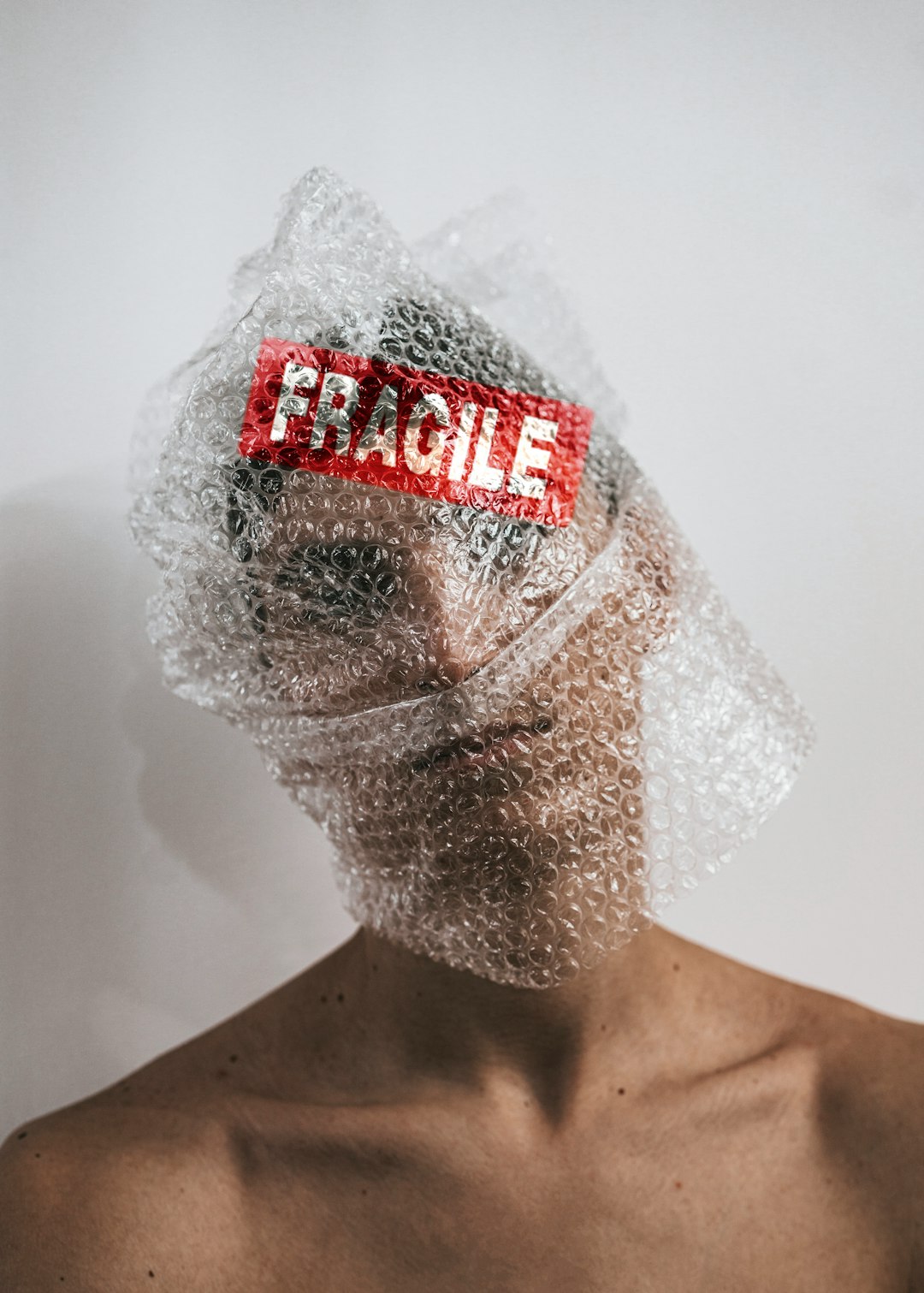
Quick Answer
Fragile products survive shipping when they’re immobilized inside a sturdy double-wall (or double-boxed) container, surrounded by roughly two inches of cushioning on every side, with no empty space left for the item to shift, and seams sealed with a full H-pattern of tape.
Choosing the Right Box and Sealing It Properly
Start with a box rated to handle more than your item’s actual weight — a good rule of thumb is a weight rating that exceeds your total packed weight by a meaningful margin, since a box that’s just barely rated for the load will flex and fail under stacking pressure. For anything genuinely fragile (glass, ceramics, electronics), a double-wall corrugated box outperforms standard single-wall cardboard, and it’s worth the extra cost per unit.
Never reuse a box that’s already fragile items shipping was fine for something light — old boxes lose crush strength every time they’re compressed and reopened. Seal every seam with an H-pattern: one strip down the center seam and one strip across each end flap, using proper packing tape rather than masking or duct tape, which don’t hold up under handling and temperature changes.
For heavier, high-value, or oddly shaped fragile items, double-boxing is worth the extra material: place the wrapped and cushioned product in an inner box, then set that box inside a larger outer box with at least two inches of cushioning filling the gap between the two. This creates a shock-absorbing buffer zone so an impact on the outer box doesn’t transfer directly to the product.
Cushioning and Void Fill: What to Use and How Much
The goal of cushioning is simple: the item should not be able to move at all inside the box. Every fragile item needs separation — from other items, from the box walls, and from the corners, top, and bottom — with a cushioning layer on all six sides. If you can shake the sealed box and hear or feel the contents shift, there isn’t enough cushioning.
Wrap each item individually first (tissue paper for delicate finishes, then bubble wrap with the bubbled side facing the item), then fill remaining void space so nothing can settle or shift during transit. Bubble wrap and molded pulp inserts give the most direct shock absorption for genuinely fragile items like glassware or electronics, while air pillows and packing paper are lighter and cheaper for filling void space around sturdier products. Loose-fill packing peanuts work but need enough volume to fully surround the item — a thin layer isn’t sufficient.
For hollow items — vases, mugs, bowls, lamp bases — pack cushioning inside the item as well as around it. An unsupported hollow shape is one of the most common failure points in fragile shipments because the walls have nothing resisting an impact from the outside.
If sustainability matters to your brand, cornstarch packing peanuts (they dissolve in water and leave no residue), molded pulp inserts, and honeycomb kraft paper now hold up well against conventional foam and plastic cushioning for most fragile-item use cases, and they’re increasingly accepted without extra handling by major carriers.
Tips and Common Mistakes
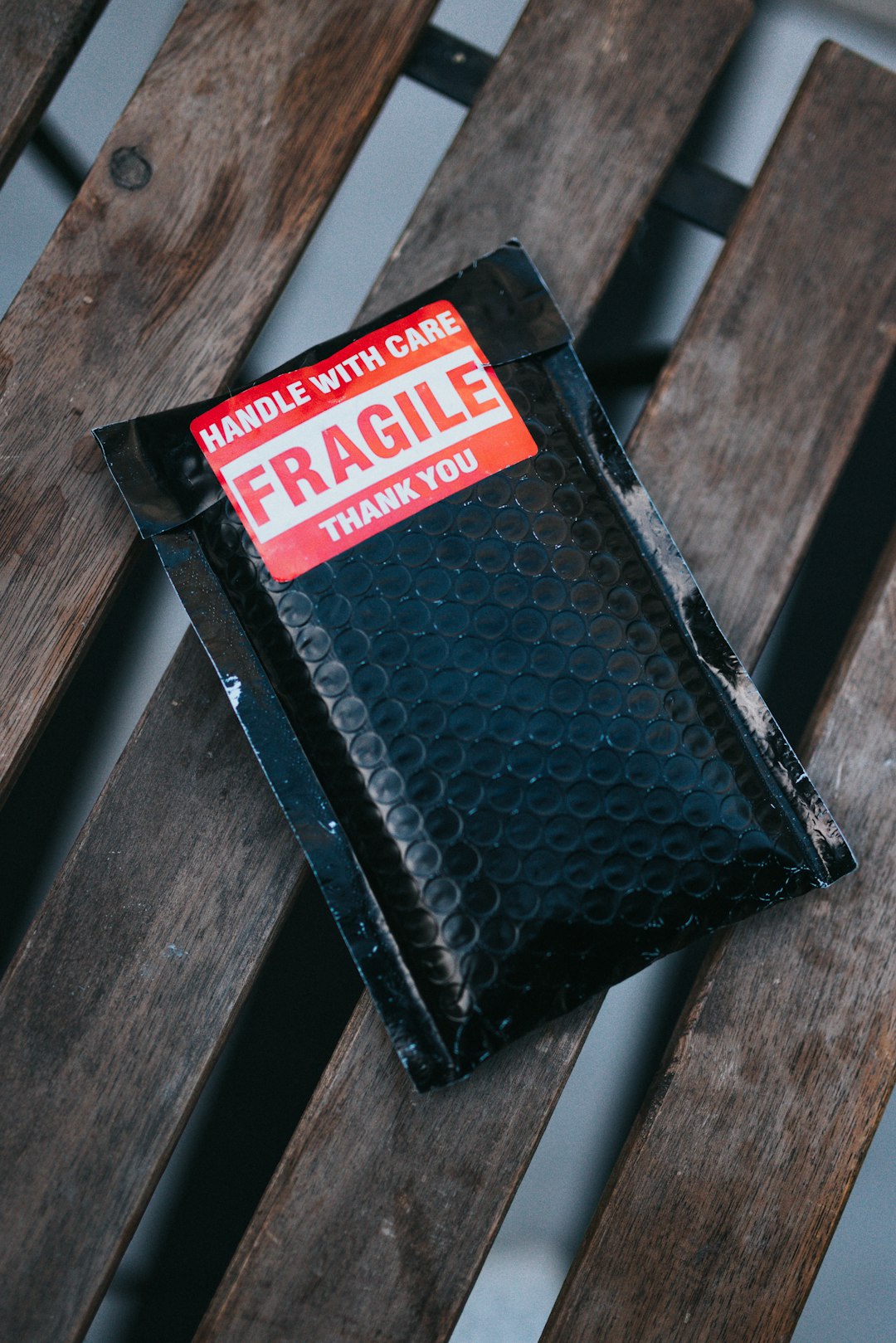
Label the outside of the box with “Fragile” and, where orientation matters, “This Side Up” on at least two sides. Labels don’t guarantee gentler handling on automated sorting lines, but they do prompt manual handlers to take more care, and they signal to the recipient to open carefully.
The single most common mistake is under-cushioning: relying on a single layer of bubble wrap or assuming a snug-looking fit means the item is immobilized. Test it by gently shaking the sealed box before it ships — any movement means more cushioning is needed.
Don’t skip interior structure for multi-item shipments. Cardboard dividers or custom inserts that keep pieces from touching each other prevent the most common cause of breakage in boxes with more than one fragile item: items knocking into each other, not just the outer box being dropped.
If you ship the same fragile product repeatedly, it’s worth running your own informal drop test — package a sample, drop it from about waist height onto a hard floor on each side and corner, and open it to check for damage or shifting before committing to that packaging setup at scale. Businesses shipping high volumes can also have packaging tested against ISTA standards (ISTA 1A for general parcel handling, ISTA 3A for parcel-carrier-specific testing) to validate a design before it goes into full production.
Explore more: More business shipping and packaging guides.
Fragile item packaging FAQs
How much cushioning does a fragile item actually need?
Aim for roughly two inches of cushioning material between the item and every interior surface of the box — top, bottom, sides, and corners — so the item can’t shift or contact the box wall directly.
Is bubble wrap or packing peanuts better for fragile items?
Bubble wrap generally gives more direct, consistent shock absorption for individual fragile items like glass or ceramics, while loose-fill peanuts and air pillows are better suited to filling larger void space around sturdier products. Many shippers use both: bubble wrap on the item, loose fill around it.
When should I double-box a fragile item?
Double-box heavier, high-value, or awkwardly shaped fragile items — pack the cushioned item in an inner box, then place that box inside a larger outer box with a few inches of cushioning filling the gap between the two boxes.
Do ‘Fragile’ labels actually help?
They aren’t a guarantee of special handling on automated sorting equipment, but they do prompt manual handlers to be more careful and remind the recipient to open the package cautiously, so it’s still worth adding them to at least two sides of the box.
Source Smarter With Packaura Direct
Find packaging suppliers, surplus inventory, and certification — all on Packaura Direct. Try Packaura Direct.
Photo by Teslariu Mihai on Unsplash.