
If you pack, process, or ship foods on the FDA’s high-risk list, FSMA Section 204 is going to reshape how your labels, cartons, and cases are printed — even though the rule itself never mentions the word ‘label.’ The requirement is about recordkeeping, but in practice it lives and dies on what gets printed on your packaging.
This guide breaks down what FSMA 204 actually requires, who it applies to, the current compliance deadline, and the specific label and packaging decisions you need to get right before that date arrives.
Quick Answer
FSMA Section 204 (the Food Traceability Rule) requires companies that grow, process, pack, or hold foods on the FDA’s Food Traceability List to capture and share standardized tracking data — Key Data Elements (KDEs) — at specific Critical Tracking Events (CTEs) in the supply chain. The FDA does not legally require you to print a traceability lot code on your package label, but doing so is the practical way most companies keep that code linked to the product as it moves through the supply chain. Enforcement was delayed from January 20, 2026 to July 20, 2028.
Sourcing compliant packaging? Search the free Packaura Supplier Directory — filter by material, certification, and location to find vetted suppliers that meet these requirements.
What FSMA 204 Actually Requires
The rule applies to anyone who manufactures, processes, packs, or holds a food on the FDA’s Food Traceability List (FTL) — a roster of higher-risk foods that includes items like fresh-cut produce, nut butters, fresh herbs, shell eggs, soft and fresh-soft cheeses, molluscan shellfish and other seafood, and ready-to-eat deli salads. If a listed food is used as an ingredient and stays in the same form (fresh salmon in a salmon cake mix, for example), the traceability requirements can carry over to the finished product too.
At defined points in the supply chain — called Critical Tracking Events — you have to record Key Data Elements. The FDA’s final rule sets out seven CTEs: harvesting, cooling, initial packing of a raw agricultural commodity, first land-based receiving of food from a fishing vessel, shipping, receiving, and transformation (processing or repacking). At each applicable event you log a product description, quantity and unit of measure, location and date for the event, reference document numbers (like a purchase order or bill of lading), and a point of contact. Central to all of this is the Traceability Lot Code (TLC), a unique identifier assigned to a lot the first time it’s transformed, created, or initially packed. That code has to travel with the product, in your records, all the way through the chain.
Retention matters too: traceability records need to be kept for 24 months, and if the FDA opens a traceback investigation, you must be able to produce the relevant KDEs as an electronic, sortable spreadsheet within 24 hours — including weekends.
What This Means for Your Packaging and Labels
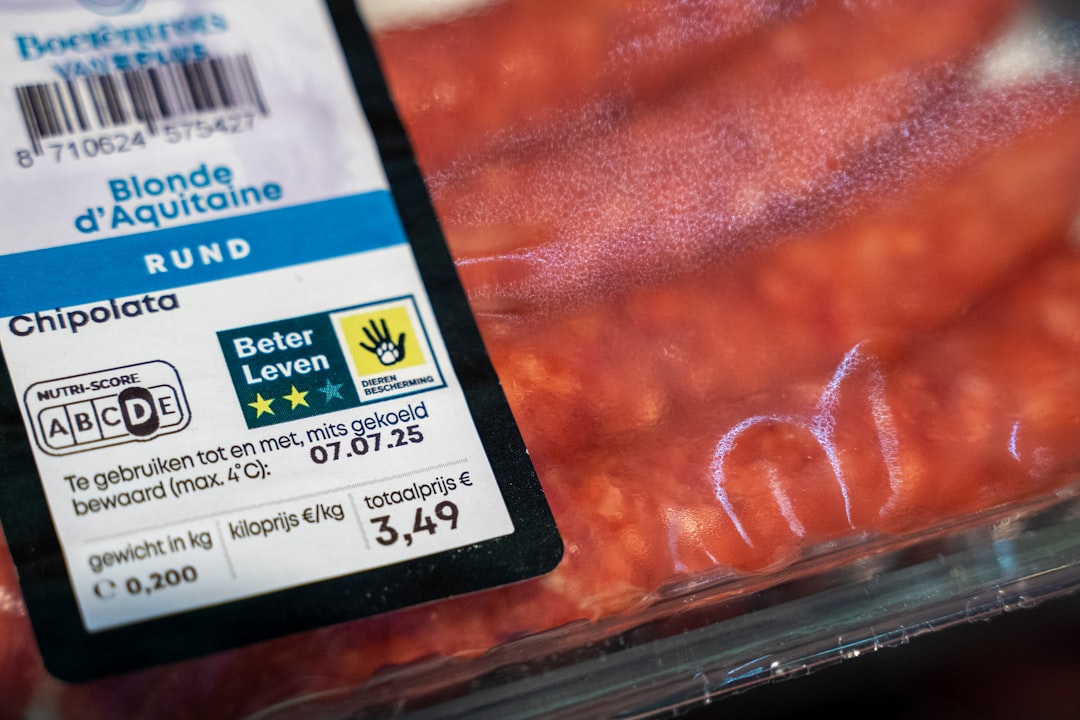
The FDA’s rule doesn’t mandate printing the TLC on your consumer label or shipping case — the legal obligation is to have it in your records, not on your packaging. But in practice, the TLC has to be captured accurately and passed along every time the product changes hands, and the most reliable way to do that is to put it on the package itself, in both human-readable text and a scannable barcode or 2D code (GS1-128 linear barcodes and GS1 DataMatrix codes are the most common formats used in food today).
For finished-goods labels, that typically means adding or resizing a lot code field, making sure your label software or printer can generate variable data (a different code per batch, not a static print run), and choosing a barcode symbology your trading partners can actually scan. For cases and pallets, best practice is to place the barcode or data carrier on two adjacent sides so it can be read from a forklift or conveyor without repositioning the box.
If you’re a co-packer, distributor, or receiver rather than the original packer, your labels also need to preserve the incoming TLC (or a valid source reference to it) rather than overwriting it with your own internal lot number — losing that link breaks the chain the whole rule is built on.
Tips and Common Mistakes
Start with your FTL exposure, not your label design. Confirm which of your products (and ingredients) actually appear on the Food Traceability List before you redesign anything — plenty of businesses assume they’re covered when they’re not, or miss that a packaged item containing an FTL ingredient is covered.
Don’t confuse your internal lot code with a compliant TLC. An internal batch number that isn’t tied to a documented Critical Tracking Event and the required Key Data Elements won’t satisfy FSMA 204, even if it looks similar on the label.
Test your barcode quality, not just its presence. A TLC barcode that won’t scan reliably at a partner’s dock defeats the purpose — get your labels verified against GS1 grading standards before a full print run.
Don’t wait for the deadline to move again. The compliance date has already been pushed once, from January 2026 to July 20, 2028, but label and system changes take time to design, test, and roll out across a supply chain — treat the extension as runway, not a reason to delay.
Explore more: More food packaging compliance guides.
FSMA Section 204 Traceability Rule FAQs
When is the FSMA 204 compliance deadline?
The FDA extended the compliance date from January 20, 2026 to July 20, 2028. Congress later made that extension binding, directing the FDA not to enforce the rule before that date.
Does FSMA 204 require the traceability lot code to be printed on the label?
No. The rule requires the traceability lot code to be captured and maintained in records, not printed on the package. Most companies print it anyway, in text and barcode form, because it’s the most reliable way to keep the code attached to the product as it changes hands.
Which foods are covered by FSMA 204?
Foods on the FDA’s Food Traceability List, including many fresh-cut fruits and vegetables, fresh herbs, nut butters, shell eggs, soft and fresh-soft cheeses, molluscan shellfish, other seafood, and ready-to-eat deli salads, plus certain products made using those foods as ingredients.
What are the Critical Tracking Events under FSMA 204?
The final rule defines seven CTEs: harvesting, cooling, initial packing of a raw agricultural commodity, first land-based receiving of food from a fishing vessel, shipping, receiving, and transformation (which covers processing or repacking).
Source Smarter With Packaura Direct
Find packaging suppliers, surplus inventory, and certification — all on Packaura Direct. Try Packaura Direct.
Photo by Paul Einerhand on Unsplash.