
Candle packaging is usually the first thing a buyer touches, and often the last thing they see before deciding to check out or scroll past. On a crowded shelf or in an unboxing video, the label, box, and finish carry as much weight as the scent itself.
This guide breaks down what has to be on a candle label by law, how to choose materials that hold up to heat and oils, and which finishes make packaging feel premium without blowing your budget — plus the mistakes that quietly undercut good products.
Quick Answer
Good candle packaging design balances three things: a compliant, legible label (fire-safety warning, net weight, ingredients, maker info), a box or sleeve structure matched to your price point, and a finish — matte lamination, foil, embossing — that signals your brand’s quality tier. Start with compliance, then layer on visual polish.
What Has to Be on the Label Before You Design Anything
Under the FTC’s Fair Packaging and Labeling Act, candles sold in the US need a net weight statement (typically the weight of the wax, not the jar), the manufacturer’s or seller’s name and address, a list of ingredients including fragrance oils and colorants, and the country of manufacture. These aren’t optional extras to squeeze in later — they determine how much space your decorative label design actually has to work with.
There’s also a fire-safety warning label, governed by the voluntary ASTM F2417 standard (developed with the Consumer Product Safety Commission and the National Candle Association; ASTM’s current active edition is F2417-26). It covers things like burning within sight, keeping candles away from flammable materials and children or pets, trimming the wick, and avoiding drafts. It’s not legally mandatory, but it’s the format retailers, insurers, and most buyers expect — treat it as standard practice, not optional.
Choosing Label Material and Box Structure
Candle labels sit against heat, melted wax, oils, and condensation, so material choice matters more than it does for most consumer products. Vinyl and BOPP (biaxially oriented polypropylene) labels are the most heat-, moisture-, and oil-resistant options and are the standard choice for jar candles. Uncoated paper labels look more natural and cost less, but they’re better suited to lower-heat-exposure formats like tins, boxed pillars, or outer sleeves rather than the jar itself.
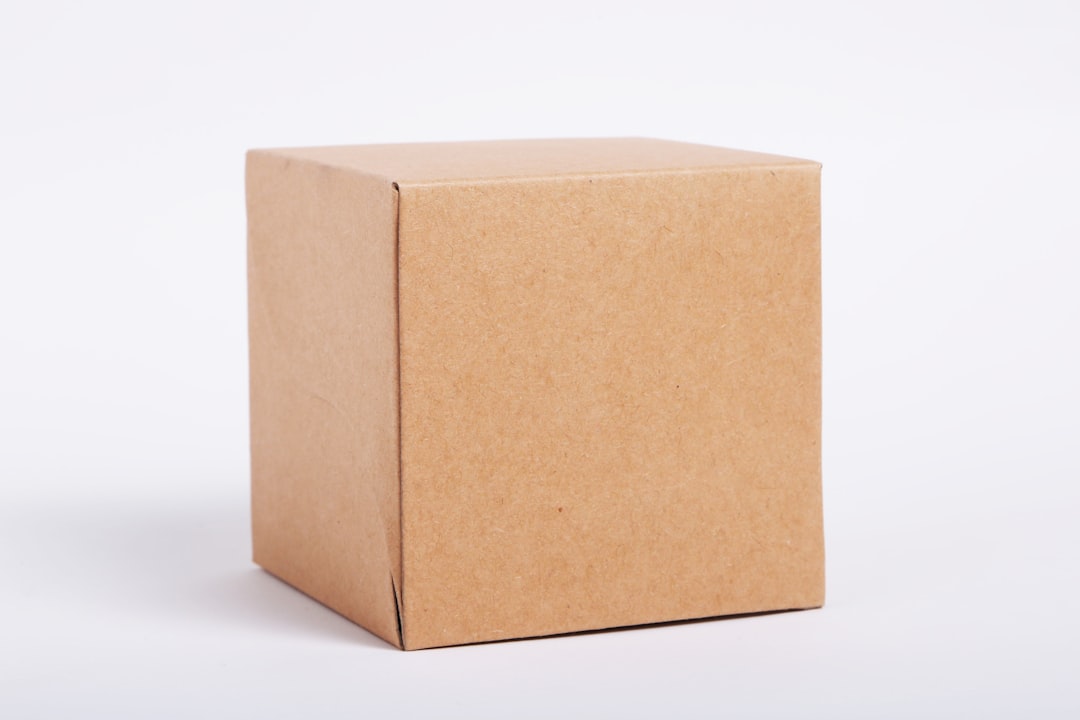
For the outer box, match rigidity to price point. Rigid two-piece boxes read as premium and often get reused, making them a good fit for gift sets or higher-priced candles. Folding paperboard cartons are cheaper and still fully customizable with windows or foil, and work well for mid-tier lines. Kraft sleeves or minimalist wraps suit eco-focused or single-candle SKUs. A flimsy box under a premium-scented candle undercuts the price point faster than almost anything else in the unboxing experience.
Finishes That Signal Quality
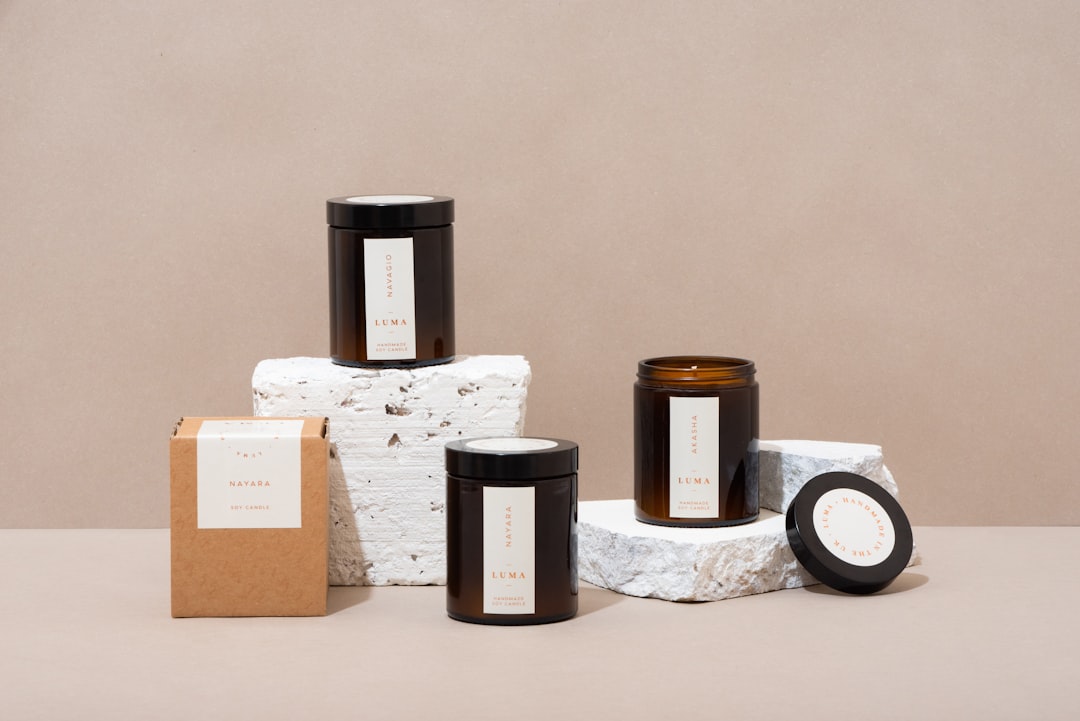
Foil stamping, embossing or debossing, and matte soft-touch lamination are the finishes most associated with premium candle brands, and they’re what separates a shelf-ready product from a home-printed one. Spot UV coating on a logo or icon adds contrast without the cost of a full foil run.
Metallic ink accents in tones like rose gold, copper, or champagne, small die-cut or reflective windows that tease the candle or wick inside, and QR codes or NFC tags linking to a scent story or reorder page are common ways brands add polish and storytelling. On the materials side, recyclable kraft stock and soy-based inks are increasingly expected — the trick is executing sustainable packaging so it still looks intentional and elevated rather than plain.
Tips / Common Mistakes
The most common mistakes: printing the safety warning so small it’s technically present but unreadable, using an unlaminated paper label directly on a hot jar surface, ordering boxes and labels in separate print runs that don’t quite match in color, and over-designing a label so the brand name isn’t legible from a few feet away. Skipping the net weight or country-of-origin line is a compliance gap that’s easy to catch before printing but expensive to fix after.
Before committing to a full print run, order a small test batch and burn a sample candle for its entire life. Check that the label stays adhered, the warning text is still legible, and the box holds its shape after shipping. It’s the cheapest insurance against a packaging redo.
Explore more: More packaging design guides.
Candle packaging design FAQs
Do candle warning labels have to follow ASTM F2417?
It’s not legally required, but ASTM F2417 is the industry-standard voluntary format, developed with the CPSC and the National Candle Association. Most retailers and insurers expect it, so it’s best treated as a requirement in practice.
What information is legally required on a candle label?
Under the FTC’s Fair Packaging and Labeling Act, US candle labels need a net weight statement (usually the wax weight, excluding the container), the manufacturer’s name and address, a full ingredient list, and the country of manufacture.
What’s the best label material for candle jars?
Vinyl or BOPP labels hold up best against heat, oils, and condensation directly on a jar. Paper labels look more natural but are better suited to lower-heat items like tins, boxed pillars, or outer sleeves rather than the jar surface itself.
Source Smarter With Packaura Direct
Find packaging suppliers, surplus inventory, and certification — all on Packaura Direct. Try Packaura Direct.
Want packaging news in your inbox? Subscribe to the free newsletter.
Photo by Giorgio Trovato on Unsplash.