
Jewelry packaging has an outsized environmental footprint for its size: foam inserts, laminated gift boxes, and single-use velvet pouches are common in the industry, and most of it is not recyclable or compostable. Switching to genuinely sustainable materials can strengthen a brand’s story, but the market is crowded with vague “eco-friendly” claims that don’t hold up under scrutiny.
This guide walks through the natural and biodegradable materials that actually qualify as sustainable for jewelry packaging, the certifications worth checking before you order, how to vet a supplier who can ship internationally, and how to source without overpaying or getting stuck with a greenwashed product.
Quick Answer
The most reliable eco-friendly jewelry packaging combines FSC-certified or recycled-content kraft paperboard for boxes, molded pulp (bamboo, bagasse, or recycled paper fiber) instead of foam for inserts, and organic cotton, jute, or unbleached paper for pouches and fill — sourced from suppliers who can provide certificate numbers, not just marketing copy. Biodegradable options like mycelium cushioning and seed-paper inserts go a step further by breaking down completely after use instead of just being recyclable.
Natural and Biodegradable Materials That Actually Qualify
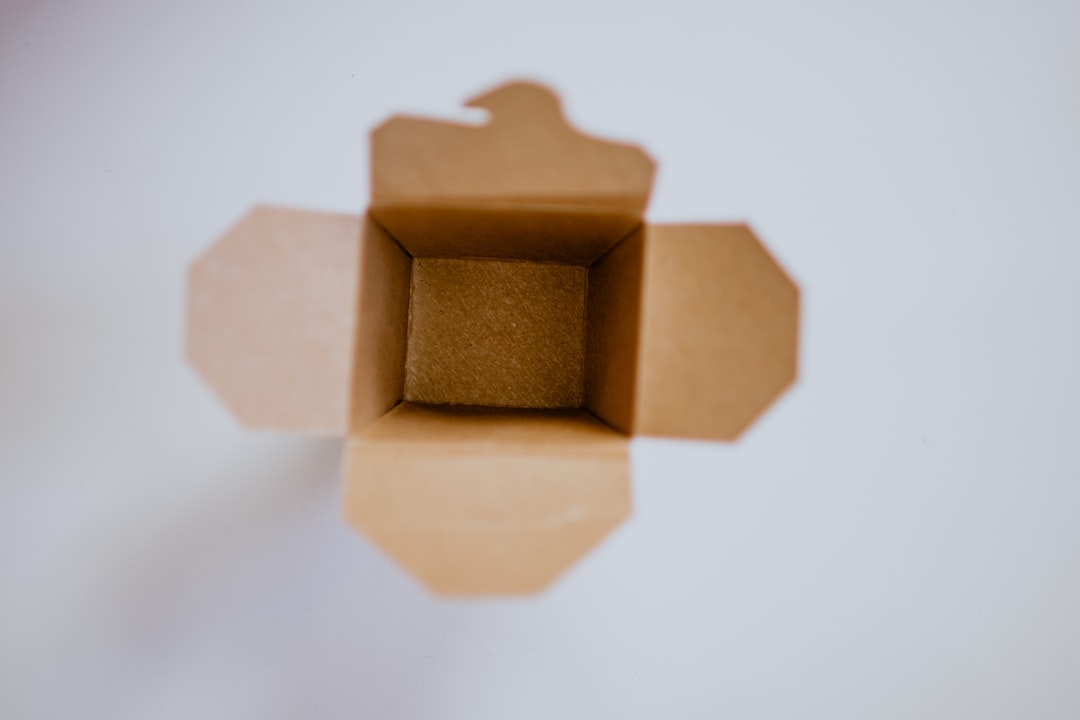
Kraft and recycled paperboard boxes are the default upgrade from glossy laminated or foam-lined gift boxes. Look for boxes made from 100% recycled fiber or FSC-certified virgin/mixed fiber, without plastic laminate coatings — a laminated or foil-covered box usually can’t go in curbside recycling even if the base material is paper.
Molded pulp trays, made from bamboo, sugarcane bagasse, or recycled paper fiber, are the sustainable substitute for the foam or plastic inserts that hold rings and earrings in place. They’re compostable or recyclable and increasingly available pre-cut for ring, earring, and pendant slots.
Fabric pouches in organic cotton, jute, or hemp replace synthetic velvet or satin (both usually polyester-based) and double as natural jewelry packaging customers actually reuse for travel or storage. Look for OEKO-TEX certification on the fabric if you want assurance it’s free of harmful dyes and finishes.
Mycelium (mushroom-based) packaging, such as the molded cushioning made by Ecovative’s Mushroom Packaging, is a home-compostable alternative to foam or bubble cushioning for shipping boxes — manufacturer testing describes it breaking down within weeks to a few months under home composting conditions, well ahead of foam’s centuries-long timeline in a landfill.
Seed paper, made from recycled paper pulp embedded with wildflower seeds, works well for earring cards, tags, and inserts that customers can plant rather than throw away. For shipping, compostable mailers made from plant-based materials (often corn starch blends combined with recycled kraft) are now widely available as an alternative to poly mailers and bubble wrap, though they should carry a recognized compostability standard to back up the claim.
Biodegradable vs. Compostable vs. Recyclable Packaging
These three terms get used interchangeably in marketing, but they mean different things and matter for different reasons when you’re choosing jewelry packaging. Recyclable means the material can be reprocessed into new products, but only if local recycling infrastructure actually accepts it — many laminated or foil-finished boxes technically contain recyclable paper but get rejected by sorting facilities because of the coating.
Biodegradable means a material will break down naturally over time through microbial action, but the term carries no legally defined timeframe or testing standard on its own, which is exactly why regulators flag unqualified biodegradable claims. Compostable is the stricter, more useful claim: it means the material breaks down into non-toxic components within a defined timeframe under specific composting conditions, verified against a standard like ASTM D6400 or EN 13432. A material can be biodegradable without being certified compostable, so for jewelry packaging, ask suppliers specifically which standard their ‘biodegradable’ or ‘compostable’ product has been tested against.
Certifications to Check Before You Order
FSC (Forest Stewardship Council) certification on paper and board confirms the fiber came from responsibly managed forests, recycled sources, or a controlled blend of both. Ask suppliers for their Chain of Custody (CoC) license number — this traces the material through every step of production, not just the forest of origin.
GRS (Global Recycled Standard) verifies actual recycled content and tracks it through the supply chain — useful when a supplier claims “recycled” fabric or fill. OEKO-TEX Standard 100 applies to textile pouches and ribbons, confirming they’re free from a defined list of harmful substances.
For compostable plastics or plant-based mailers, ASTM D6400 (US) or EN 13432 (EU) compliance, ideally with a BPI or TÜV Austria certification mark, is what separates a genuinely compostable product from one that’s simply labeled “eco” without backing.
Larger heritage brands illustrate the direction the industry is moving: Tiffany & Co. has committed its paper suppliers for boxes and bags to FSC certification and has been raising the recycled content of its signature Blue Boxes and bags as part of its broader sustainability reporting — a signal that certification, not just material choice, is becoming the baseline expectation rather than a premium add-on.
Finding a Sustainable Jewelry Packaging Supplier With Global Shipping
The criteria that separate a genuinely sustainable, internationally-capable supplier from one that just says so on its homepage come down to a few checkable things, not a brand name. First, ask for the certificate numbers (FSC CoC, GRS, OEKO-TEX) directly and verify them against the certifying body’s public database rather than taking a product page’s word for it.
Second, clarify shipping terms up front: a supplier quoting FOB (free on board) pricing from an overseas port puts freight, duties, and customs clearance on you, while EXW shifts even more logistics work your way — DDP (delivered duty paid) is usually simplest for a smaller brand placing its first international order. Compostable and molded-pulp materials can also be bulkier or more moisture-sensitive in transit than plastic, so ask specifically about packaging-within-packaging for ocean freight.
Third, compare minimum order quantities against your actual volume. Custom-printed sustainable packaging typically carries a higher MOQ than stock kraft boxes or pouches, and many suppliers — domestic and overseas — offer lower-MOQ unbranded stock options specifically so smaller brands can test a material and a shipping relationship before committing to custom tooling. Order and pay for physical samples shipped the same way your bulk order would travel before signing a larger contract.
Tips and Common Mistakes
Don’t assume ‘kraft-colored’ means eco-friendly — brown paper can still be laminated, foil-stamped with non-recyclable materials, or sourced from uncertified virgin pulp. Ask specifically about the coating and inks.
Avoid making unqualified ‘eco-friendly,’ ‘green,’ or ‘sustainable’ claims on your own packaging or marketing unless you can point to a specific certification or verified attribute — regulators including the FTC (via its Green Guides) treat vague environmental claims as a compliance risk, and customers increasingly check.
Test protective performance before switching. Jewelry brands can’t sacrifice damage protection for sustainability credentials — order samples and ship them to yourself before committing to a full print run.
Right-size your packaging. The most sustainable box is often simply a smaller one — reducing material volume cuts cost and environmental impact more than any single material swap. Budget for a modest price premium, too: certified and recycled-content materials generally cost somewhat more than uncertified conventional packaging, though the gap tends to narrow at higher order volumes, so get quotes at your actual order size rather than relying on general pricing claims.
Photos
Eco-Friendly Jewelry Packaging FAQs
What’s the difference between recyclable, biodegradable, and compostable packaging?
Recyclable means the material can be reprocessed into new products, assuming local recycling infrastructure accepts it. Biodegradable means it will break down naturally over time, but with no defined timeframe or testing standard attached to the word by itself. Compostable is the most specific claim: the material breaks down within a defined timeframe under set conditions, verified against a standard like ASTM D6400 or EN 13432 — look for that certification rather than the bare word ‘biodegradable.’
What is the most eco-friendly material for jewelry boxes?
FSC-certified or high-recycled-content kraft paperboard without plastic lamination is generally the best balance of sustainability, cost, and protective strength for jewelry boxes, with molded pulp trays as the compostable insert that replaces foam.
Is mycelium (mushroom) packaging actually compostable at home?
Yes — mycelium cushioning like Ecovative’s Mushroom Packaging is designed to be home-compostable, breaking down in a home compost pile or garden soil within roughly weeks to a few months, compared to the centuries foam packaging can persist in a landfill.
How do I vet a sustainable jewelry packaging supplier that ships internationally?
Ask for specific certificate numbers (FSC Chain of Custody, GRS, OEKO-TEX) and verify them against the certifying body’s own database, clarify whether pricing is FOB, EXW, or DDP so you know who handles freight and customs, confirm the MOQ against your actual order volume, and order physical samples shipped the same way your bulk order would travel before committing.
Is kraft paper jewelry packaging always recyclable?
Not automatically. Kraft paper that’s laminated, foil-stamped, or coated with non-paper materials often can’t go in curbside recycling even though the base fiber is paper — ask suppliers directly about coatings and inks rather than assuming brown paper equals recyclable.
Does sustainable jewelry packaging cost more than conventional packaging?
Usually somewhat more, since certified and recycled-content materials carry added sourcing and verification costs, but the price gap tends to narrow at higher order volumes — get a quote at your actual order size rather than relying on general pricing claims.
Find the Right Packaging Supplier
Search the free Packaura supplier directory — filter by material, certification, and location to find vetted suppliers. Search the Supplier Directory.
Want packaging news in your inbox? Subscribe to the free newsletter.