
Packaging is where most new candle brands either build trust or lose it — a jar that arrives chipped, a box that crushes in transit, or a label that lifts after normal handling all undercut a product that might otherwise be great. Sourcing the right jars, boxes, and labels means juggling three different supplier categories, each with its own minimums, lead times, and quality tradeoffs.
This guide breaks down what to look for in a glass/vessel supplier, a custom box supplier, and a label printer, plus the mistakes that trip up first-time candle sellers when they order packaging for the first time.
Quick Answer
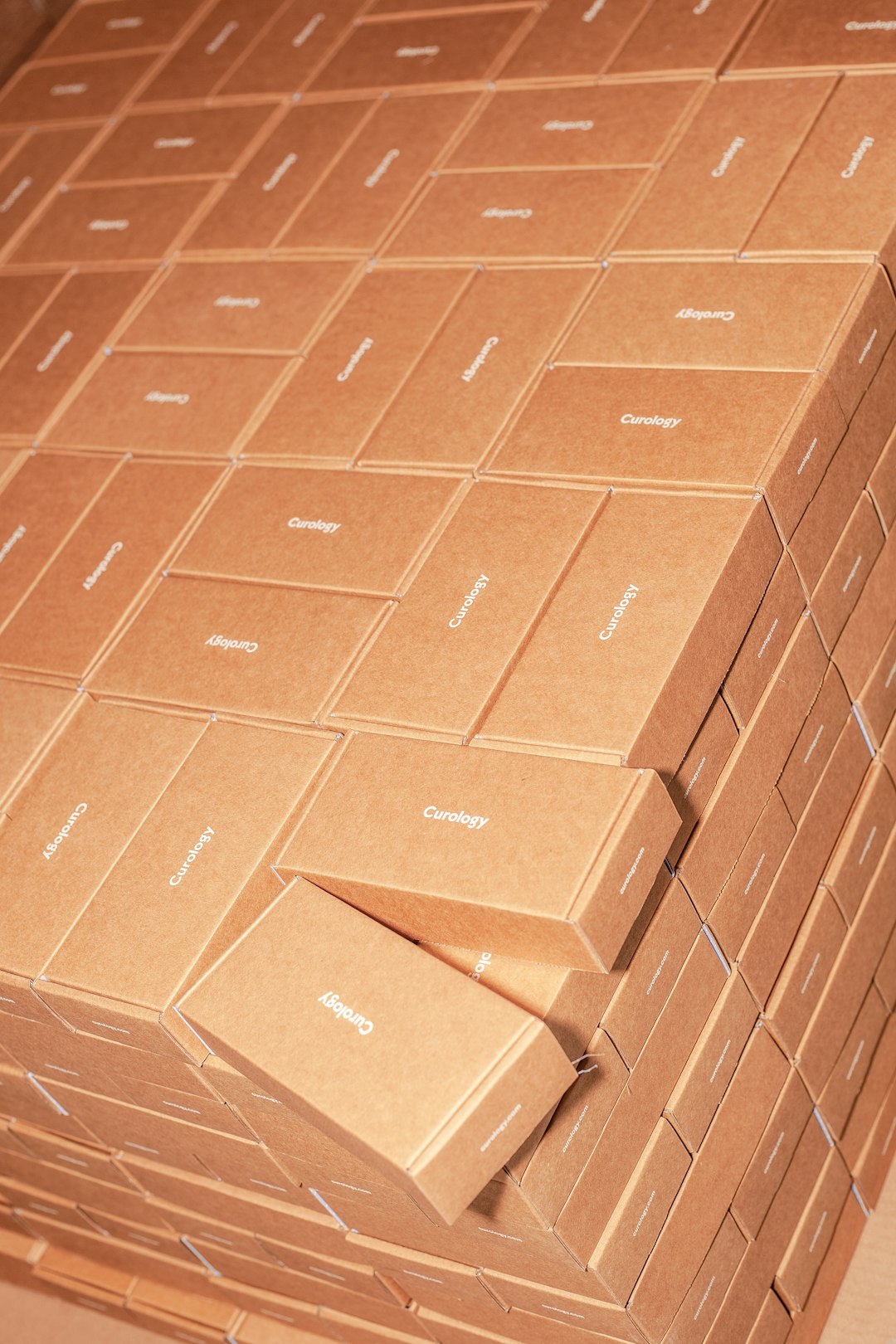
Source jars and vessels from a candle-supply or glass wholesaler (for stock shapes at low minimums) or a glass manufacturer (for custom molds at higher volume); source boxes from a custom packaging printer that offers no-minimum or low-minimum digital printing; and source labels from a label printer that can confirm the material is rated for the heat and moisture your candle line produces — BOPP and vinyl are the most common choices for maximum durability, though many candle-label printers also offer laminated or specially coated paper stocks built for the same conditions.
Sourcing Candle Jars and Vessels
For most small and mid-size candle makers, the fastest path is a candle-supply retailer or glass wholesaler that stocks common jar shapes (straight-sided tumblers, apothecary jars, tins) and sells by the case with no or low minimums — this is where most brands start because you can test a scent line before committing to custom molds. Suppliers in this category typically ship from US warehouses and publish tiered wholesale pricing that drops as case counts go up.
Once volume justifies it, brands move to a glass manufacturer or vessel-focused supplier that offers custom shapes, colors, or printed/etched branding directly on the glass — these usually carry higher minimum order quantities and longer lead times because the jar itself is tooled or decorated to spec. When comparing vessel suppliers, ask about heat safety testing (jars need to handle a burning candle without cracking), lid or closure options, and whether they offer recycled-glass options if sustainability is part of your brand story.
Sourcing Candle Boxes
Custom candle box suppliers typically fall into two tiers: large-run offset printers who deliver the lowest per-unit cost but require higher minimums and longer production time, and digital/on-demand box printers who accept small runs (even single units) with faster turnaround at a higher per-box cost. If you’re still testing a product line or selling on a marketplace with unpredictable order volume, a no-minimum digital printer is usually the safer starting point.
Material choice matters as much as the supplier: kraft board is the cheapest and most common eco-friendly option, rigid or premium white board reads more upscale for gift-tier candles, and both can take foil stamping, embossing, or spot-UV finishes if budget allows. Most box suppliers offer free design proofs before printing — always request one and check the die-line against your actual jar dimensions before approving a full run, since a box that’s even a few millimeters off can mean a wasted print batch.
Sourcing Candle Labels
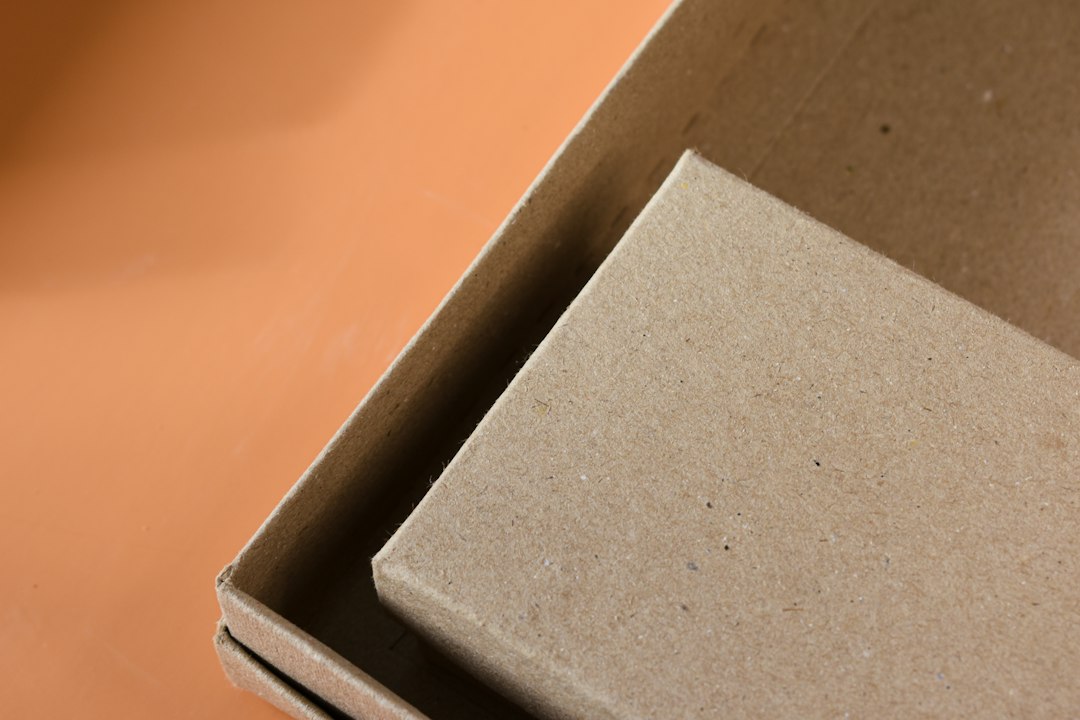
Candle labels have to hold up against condensation from cold storage, wax spills during pouring, and heat radiating from the vessel once the candle is lit, so most label printers steer candle customers toward waterproof, heat-tolerant materials — white vinyl or BOPP (biaxially-oriented polypropylene) with a gloss or matte laminate — as the most durable, low-risk choice. That said, paper isn’t automatically off the table: many candle-label printers also sell laminated or specially coated paper stocks marketed specifically for candle jars, and a protective coating over kraft or premium paper can hold up reasonably well for cooler-burning candles or lower-humidity storage. The key is confirming the exact material’s heat and moisture rating with the printer rather than assuming any ‘candle label’ listing is automatically suited to your product.
Label printers in this space generally support small runs (as low as a few dozen) up to tens of thousands of pieces, with turnaround of a few business days for standard finishes and longer for specialty options like embossing or metallic foil. When you request a quote, specify the label’s final position on the jar (some curved or textured vessels need a different adhesive strength) and confirm the temperature range the material is rated for so it won’t lift once the candle warms up.
Tips and Common Mistakes
Order a physical sample of any jar, box, or label before committing to a bulk run — screen colors and spec sheets rarely match what arrives in hand, and this is the cheapest insurance against a costly reprint. Confirm minimum order quantities and lead times upfront for all three packaging types, since a box supplier’s 2-week turnaround is wasted if your custom jars won’t arrive for six weeks.
Keep dimensions synced across all three suppliers: the box needs to be built around the actual jar with lid on, and the label needs to fit the jar’s usable surface without wrapping over a seam or lid lip. Finally, don’t assume every ‘candle label’ material is heat-safe just because it’s marketed for candles — ask the printer directly what temperature the adhesive and face stock are rated for, especially for labels placed near the top of the jar closest to the flame, and whether the specific paper, vinyl, or BOPP option they’re quoting has been tested for that use.
Explore more: more small business packaging guides.
Candle packaging sourcing FAQs
What’s the cheapest way to source candle packaging as a new brand?
Start with stock (non-custom) jars from a candle-supply wholesaler, a no-minimum digital box printer, and a small-run label printer. This avoids the higher minimums that custom glass molds and offset box printing require, letting you test your product before scaling.
Do candle labels need to be waterproof?
Not strictly. Waterproof, heat-tolerant materials like BOPP or vinyl are the most durable choice against condensation, wax residue, and heat from a burning candle, and are what most label printers recommend by default. But several candle-label printers also offer laminated or specially coated paper stocks rated for the same conditions, so paper can work if you confirm its heat and moisture rating with the printer first.
Should I order boxes before or after finalizing my jars?
After. Box suppliers build the die-line around your vessel’s exact dimensions including the lid, so ordering boxes before your jar is finalized risks a poor fit or a wasted print run.
Find the Right Packaging Supplier
Search the free Packaura supplier directory — filter by material, certification, and location to find vetted suppliers. Search the Supplier Directory.
Want packaging news in your inbox? Subscribe to the free newsletter.
Photo by Curology on Unsplash.