
Choosing the right packaging material for a pet food line is a balancing act between shelf life, cost, bag strength, and increasingly, how the package can be disposed of or recycled. The wrong choice can mean stale kibble, torn bags on a pallet, or a sustainability claim that falls apart under scrutiny.
This guide breaks down the main pet food packaging formats — woven polypropylene bags, multiwall paper bags, laminated stand-up pouches, and the barrier films inside them — so you can match material to product and claim with confidence.
Quick Answer
Bulk dry pet food (10-50 lb bags) is typically packed in woven polypropylene or multiwall paper bags for strength and low cost, often with a plastic film liner for moisture protection. Smaller retail bags and treat pouches use laminated flexible films — layers like PET, metallized film (often called VMPET), or EVOH combined with polyethylene — to block oxygen, moisture, and light. Wet food and high-fat treats need the highest barrier films; low-fat dry kibble can get by with a lighter, often more recyclable structure.
Bag and Pouch Formats Compared
Woven polypropylene (PP) bags are made from tape-woven plastic yarn, often laminated with a thin film layer. They’re prized for puncture and tear resistance on pallets and in distribution, and they can usually run on the same filling equipment as multiwall paper bags, which makes switching between the two relatively easy for a co-packer.
Multiwall paper (kraft) bags use several layers of paper, sometimes with a poly or foil inner layer for moisture resistance. They’re the traditional choice for large bags of dry kibble, offer good print quality for branding, and are generally cheaper per unit than woven PP — but they’re more prone to punctures in rough handling and need a barrier ply if the product is fatty or moisture-sensitive.
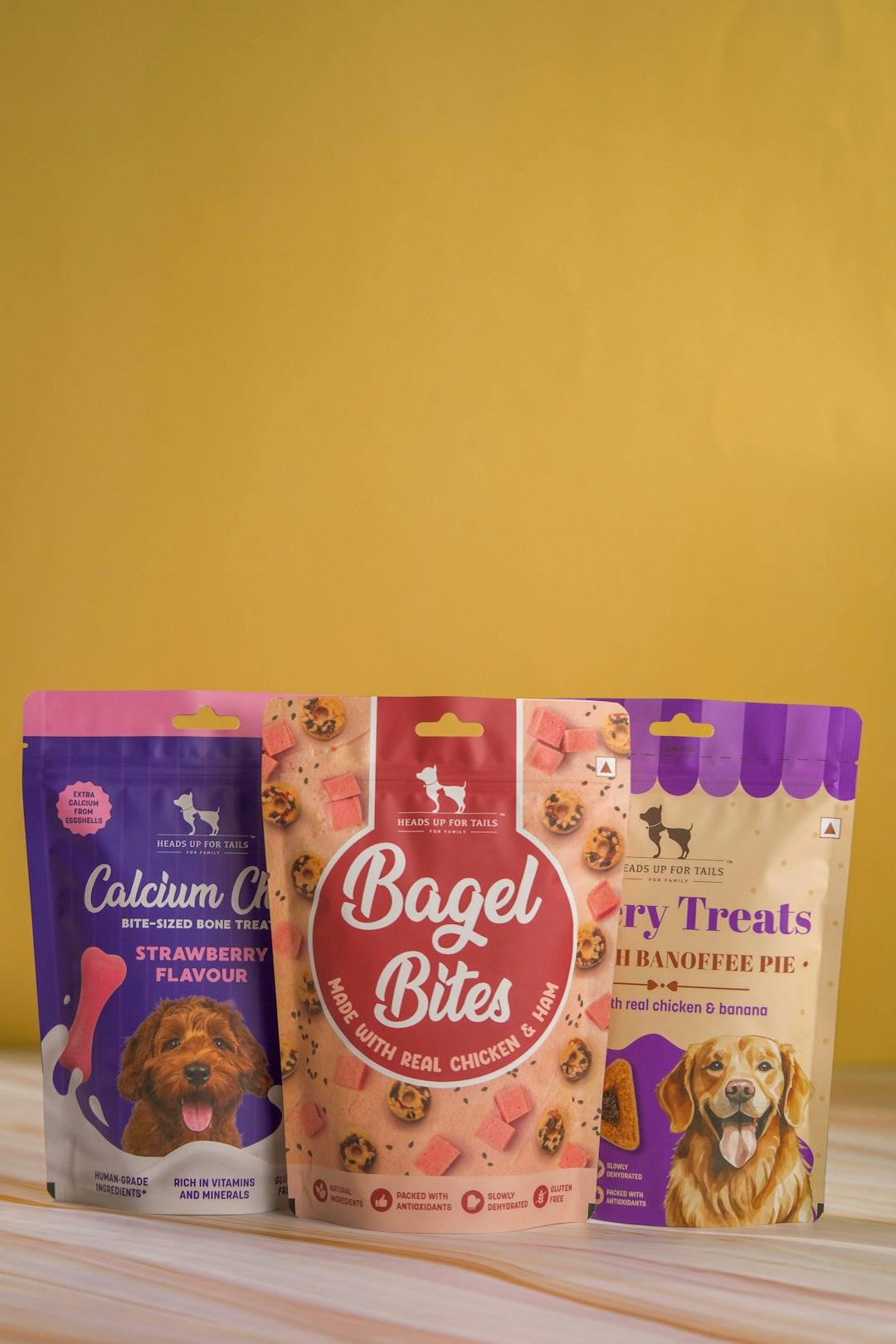
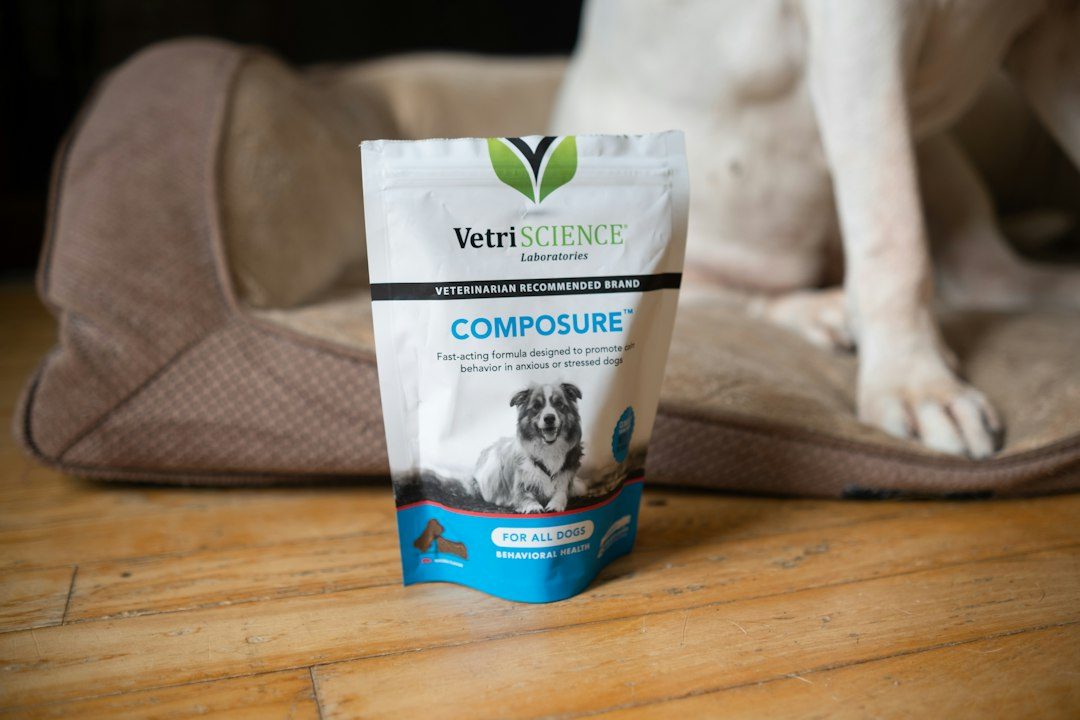
Flexible stand-up pouches (gusseted, flat-bottom, or three-side-seal) dominate smaller retail formats — treats, small kibble bags, and wet food pouches. These are laminates: an outer print/strength layer, one or more barrier layers, and a heat-sealable inner layer, all bonded together. They give strong shelf presence, resealable zippers, and precise barrier control, but cost more per unit than bulk bag formats and historically have been harder to recycle because they combine different plastics (and sometimes foil) in one film.
What’s Inside a Barrier Film
A barrier laminate is built in layers, each doing a different job. The outer layer (commonly PET or BOPP) gives strength, puncture resistance, and a surface for high-quality print graphics. The barrier layer is the core of the structure: metallized PET (VMPET, a thin vacuum-deposited aluminum coating) gives strong combined oxygen and moisture protection at low cost, while EVOH is used where the brand wants a clear, see-through pouch with high oxygen barrier, and foil remains the gold standard for retort (shelf-stable wet food) pouches that need to survive heat sterilization. The inner layer is usually polyethylene (PE) or metallized/plain PE, chosen for reliable heat-sealing and direct food contact.
Barrier performance is measured by oxygen transmission rate (OTR) and water vapor transmission rate (WVTR) — lower numbers mean a better barrier. High-fat treats and wet food need low OTR to prevent rancidity and off-flavors; dry kibble with moderate fat content can run on a lighter, less oxygen-sensitive structure. Match the barrier to the product’s fat content and intended shelf life rather than defaulting to the highest-barrier (and most expensive) film available.
Any flexible film that touches pet food directly should be made from food-contact-grade resins and inks that meet FDA food contact substance requirements — the same baseline expected of human food packaging, since pet food is still regulated as an animal feed product with labeling and material standards to meet.
Tips and Common Mistakes
Don’t claim a multi-material laminate pouch is “recyclable” without checking How2Recycle or your market’s equivalent program first. The Store Drop-Off label is limited to flexible packaging made from compatible polyethylene (PE) film — it does not cover multilayer structures that mix PET, foil, or metallized layers with PE. Most traditional barrier laminates (PET/foil/PE or PET/VMPET/PE) fall into the “Not Yet Recyclable” category and should be labeled for the trash, not store drop-off. Mislabeling this is a common compliance trip-up.
If sustainability is a priority, look at mono-material polyethylene (PE) pouches and recyclable paper-based structures now offered by major film converters — because they’re single-material PE (not a PET/foil/PE mix), they can actually qualify for the Store Drop-Off stream, though they may trade off some barrier performance versus foil or EVOH structures.
Match bag strength to the supply chain, not just the shelf. A beautiful retail pouch that tears on a distribution pallet, or an over-engineered high-barrier film on a low-fat treat that didn’t need it, both waste money. Test seal strength and drop performance with your actual filled product before locking in a packaging spec.
Keep bag and pouch artwork separate from film-structure decisions early in development — barrier and recyclability choices affect seal temperatures and machinability, so they should be locked with your co-packer or converter before final graphics are finalized.
Explore more: More packaging materials guides.
Pet food packaging materials FAQs
What’s the best packaging material for dry pet food?
For bulk bags (10 lb and up), woven polypropylene or multiwall paper bags are standard for strength and cost. For smaller retail bags, a laminated film with a moderate oxygen and moisture barrier (often a metallized PET/PE structure) is typical unless the formula is very high-fat.
Are pet food bags recyclable?
It depends on the structure. Multi-layer laminates that combine foil or metallized film with PET and PE are generally labeled Not Yet Recyclable — the Store Drop-Off flexible film program only accepts compatible single-material polyethylene (PE) film, not mixed-material laminates. Newer mono-material PE pouches and some paper-based structures are designed to qualify for Store Drop-Off or standard paper recycling — check the specific product’s How2Recycle label to confirm.
Why do some pet food pouches use foil instead of metallized film?
Foil is used in retort pouches — wet food or treats that are heat-sterilized after sealing — because it holds up to the high heat and pressure of that process better than a thin metallized coating, which can micro-crack under retort conditions.
Find the Right Packaging Supplier
Search the free Packaura supplier directory — filter by material, certification, and location to find vetted suppliers. Search the Supplier Directory.
Want packaging news in your inbox? Subscribe to the free newsletter.
Photo by Doodlethetrouble on Unsplash.