
Choosing how to package a craft beer is as much a brand decision as a technical one. The container affects how long the beer stays fresh, what it costs to fill and ship, how it looks on a shelf or taproom counter, and how easily a customer can take a pour home.
This guide breaks down cans, bottles, and growlers (plus their close cousin, the crowler) across freshness, cost, branding, and practicality, so you can match the package to the beer and the sales channel it’s going through.
Quick Answer
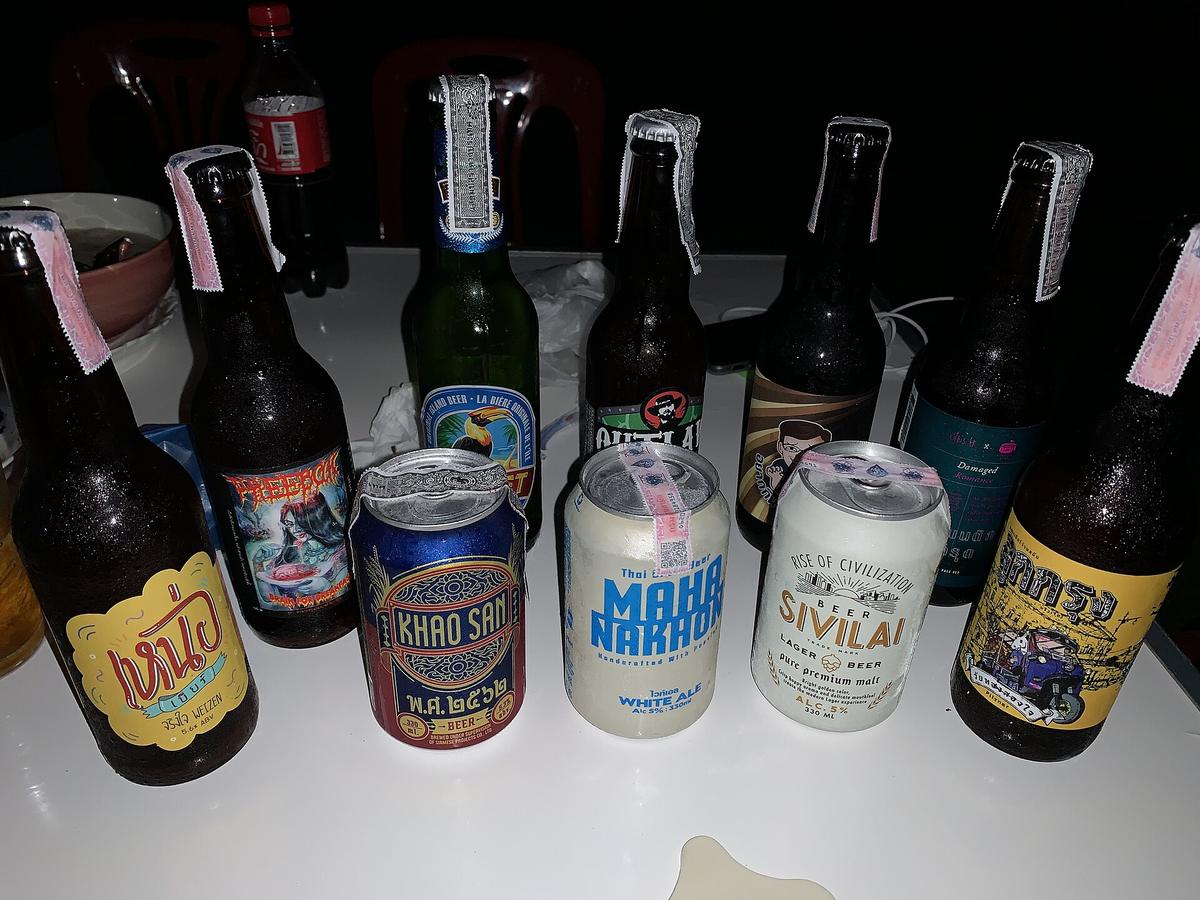
Cans are generally the best default for most craft beer today: they block all light, seal tightly, are lighter to ship, and give brewers a full-can canvas for branding. Bottles still suit barrel-aged, bottle-conditioned, or traditionally styled beers where the format itself is part of the brand. Growlers and crowlers are for on-site, short-turnaround sales — a way to send fresh draft beer home, not a long-term shelf package.
How Each Package Affects Freshness
Light and oxygen are a beer’s two biggest enemies, and the packages handle them very differently. Aluminum cans are fully opaque, so they block light completely, which prevents the ‘lightstruck’ or skunky aroma that develops when UV light reacts with hop compounds. The double-seam closure on a can also creates a tight, consistent seal with very little headspace, limiting oxygen pickup.
Bottles depend on the glass color and the cap. Brown glass filters out the most UV light, green glass offers only partial protection, and clear glass offers essentially none, which is why clear-bottled beer is especially prone to skunking if left in light. Crown caps, twist-tops, or corks also vary in how much oxygen they let through over time, so bottle seal quality is less uniform than a can’s.
Growlers and crowlers are built for speed, not long-term storage. A crowler is a 32-ounce can filled to order at the brewery and sealed on the spot, so it shares the can’s light and seal advantages but is meant to be drunk within days, not months. A traditional glass growler filled by hand off a tap picks up more oxygen and loses carbonation faster; it should ideally be finished within a day or two. Breweries that use a proper counter-pressure filler (which purges oxygen and pressurizes the fill with CO2) can meaningfully extend an unopened growler’s drinkable window, but it’s still a short-term format compared to canned or bottled beer.
Cost, Branding, and Logistics
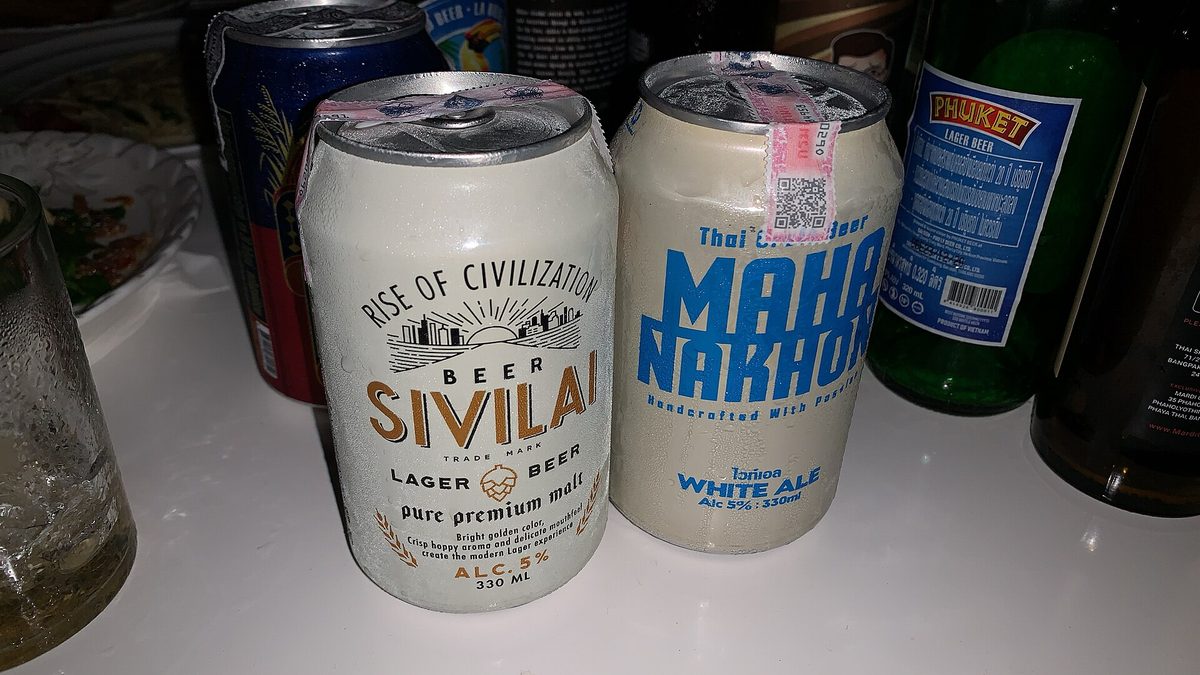
Cans are lighter and more compact than glass, which lowers shipping and cold-storage costs and lets more product fit in a truck or walk-in. They’re also more durable in transit and easier to crush and recycle, which matters for breweries leaning on sustainability messaging. The tradeoff is on branding flexibility for small runs: can printing typically requires a minimum order from a can supplier or mobile canning line, so very small or one-off batches can be costlier to label well compared to simply screen-printing or sticker-labeling a bottle.
Bottles carry strong traditional and premium associations, especially for Belgian-style, barrel-aged, or bottle-conditioned beers where the format signals the style. They’re heavier and more fragile to ship, and clear or green glass needs extra care (or UV-protective packaging) to avoid skunking in transit or on a sunlit shelf.
Growlers and crowlers are built around the taproom, not distribution. Reusable glass or stainless growlers let regulars bring draft beer home at a lower per-ounce cost than packaged six-packs, and crowlers give a brewery a way to sell any tap beer, including one-offs and small test batches, without committing to a full canning run. Neither format is designed to sit on a retail shelf.
Tips / Common Mistakes
Match the package to the beer, not just the trend: hop-forward IPAs and hazies benefit most from a can’s full light-blocking, while funky, bottle-conditioned, or barrel-aged beers can lean into bottling as part of their identity. If you do bottle a hoppy beer, choose brown glass over clear or green to cut down on skunking risk.
Don’t treat a growler fill like a packaged six-pack: tell customers to refrigerate it immediately and drink it within a day or two for a standard tap fill, longer only if the brewery used a counter-pressure filler. Keep growlers and crowlers out of direct sunlight on the drive home, since even a can-based crowler won’t help if the beer inside has already warmed and lost carbonation from a slow trip.
For small or experimental batches, a crowler run is often a lower-commitment way to test a new recipe in packaged form before investing in a full canning line, and it still gives drinkers the can’s freshness advantages for the short time they’ll have it.
Explore more: more packaging materials guides.
Craft beer packaging FAQs
Do cans really keep beer fresher than bottles?
For most styles, yes. Cans fully block light and seal more consistently than crown caps, which is why most hop-forward craft beer has shifted to cans over the last decade.
What’s the difference between a crowler and a growler?
A crowler is a large can (commonly 32 ounces) filled and sealed on the spot at a brewery, while a growler is a reusable glass or stainless jug filled from a tap. Crowlers seal more tightly and are single-use; growlers are reusable but lose freshness faster once filled.
How long does a filled growler actually stay fresh?
A standard tap-filled growler is best finished within a day or two. Breweries using a proper counter-pressure filler that purges oxygen and pressurizes with CO2 can extend that window noticeably, but growlers are still a short-term format compared to canned or bottled beer.
Are bottles ever a better choice than cans for craft beer?
Yes, particularly for bottle-conditioned, Belgian-style, or barrel-aged beers where the format fits the tradition, or when a brand wants the premium look glass can convey. Brown glass should be chosen over clear or green to limit light damage.
Find the Right Packaging Supplier
Search the free Packaura supplier directory — filter by material, certification, and location to find vetted suppliers. Search the Supplier Directory.
Want packaging news in your inbox? Subscribe to the free newsletter.
Photo: Pansebert / CC0, via Wikimedia Commons.