
Luxury packaging design transforms an ordinary product into a premium experience that commands higher prices and builds lasting brand loyalty. In a market where consumers make purchasing decisions within seconds, the quality and craftsmanship of your packaging communicates your brand’s value before the product is ever revealed. Packaura connects premium brands with specialized packaging suppliers who understand the art and science of luxury packaging design.
Why Luxury Packaging Design Drives Revenue
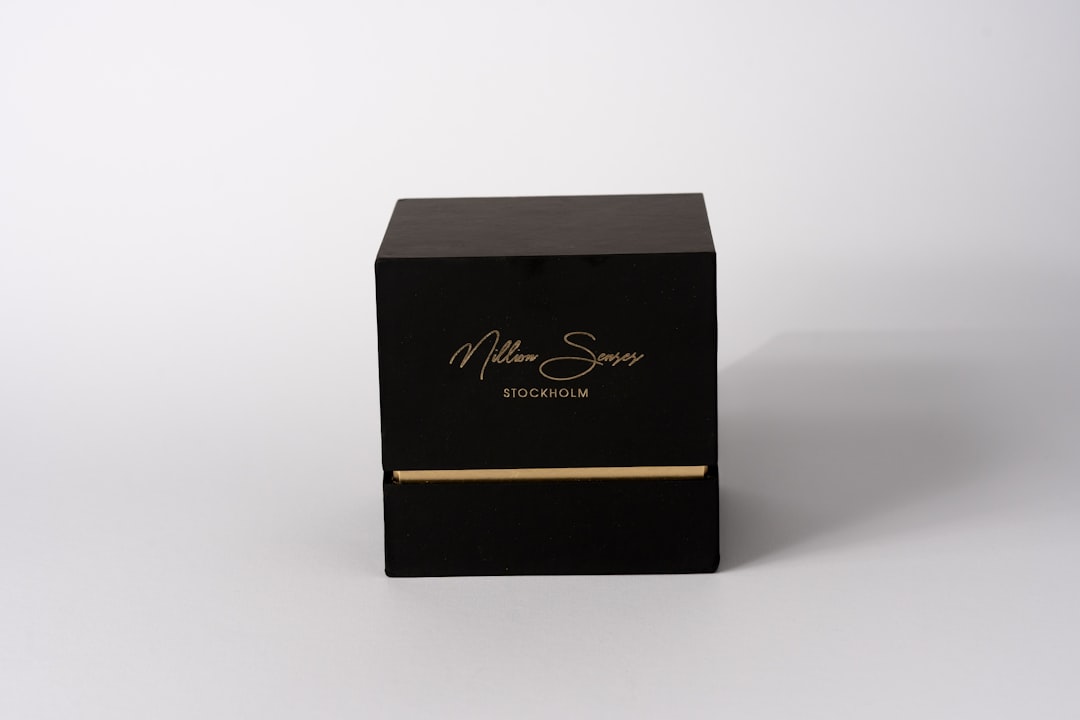
The luxury goods market is projected to reach $380 billion by 2027, and packaging plays a central role in justifying premium price points. Research from Ipsos shows that 72% of consumers say packaging design influences their purchasing decisions, and 61% are more likely to make repeat purchases when products come in premium packaging. Luxury packaging design is not an expense — it is a revenue driver.
Premium packaging also fuels organic marketing through social media. Unboxing videos on YouTube and Instagram collectively generate billions of views annually, with luxury packaging design being the primary visual element that drives engagement and shares.
7 Elements of Exceptional Luxury Packaging Design
1. Premium Structural Design
The foundation of luxury packaging design is structural quality. Rigid boxes (also called set-up boxes) are the gold standard for premium products — they do not collapse, they feel substantial in hand, and they provide superior product protection. Unlike folding cartons, rigid boxes maintain their shape permanently, creating a keepsake quality that extends the brand experience beyond the product itself.
Consider magnetic closures, drawer-style openings, or hinged lids to add functional elegance to your custom packaging structure.
2. Tactile Material Selection
Luxury is experienced through touch as much as sight. Material selection for luxury packaging design should prioritize tactile quality:
- Soft-touch lamination creates a velvety surface that feels premium and resists fingerprints
- Uncoated textured papers like laid, linen, or felt stocks communicate artisanal quality
- Specialty substrates including cotton paper, wood veneer, or leather wraps signal exclusivity
- Rigid chipboard wrapped in specialty paper provides the weight and durability consumers expect from luxury products
The material you choose sends an immediate signal about your brand’s positioning before the customer reads a single word.
3. Sophisticated Color and Finish
Color and finish are the most immediately visible elements of luxury packaging design. While trends shift, certain principles remain constant:
- Matte finishes project modern sophistication and understated elegance
- Metallic accents (gold, silver, rose gold) through foil stamping add premium detail
- Deep, saturated colors (navy, burgundy, forest green, black) communicate established quality
- Monochromatic palettes with subtle tonal variations feel refined and intentional
Avoid crowding your luxury packaging with too many colors or design elements. Restraint is the hallmark of premium design.
4. Embossing and Debossing
Embossing raises design elements above the surface, while debossing presses them below. Both techniques add a three-dimensional tactile quality to luxury packaging design that printing alone cannot achieve. Use embossing for logos, brand names, or decorative patterns on packaging labels and decoration to create depth and visual interest that catches light at different angles.
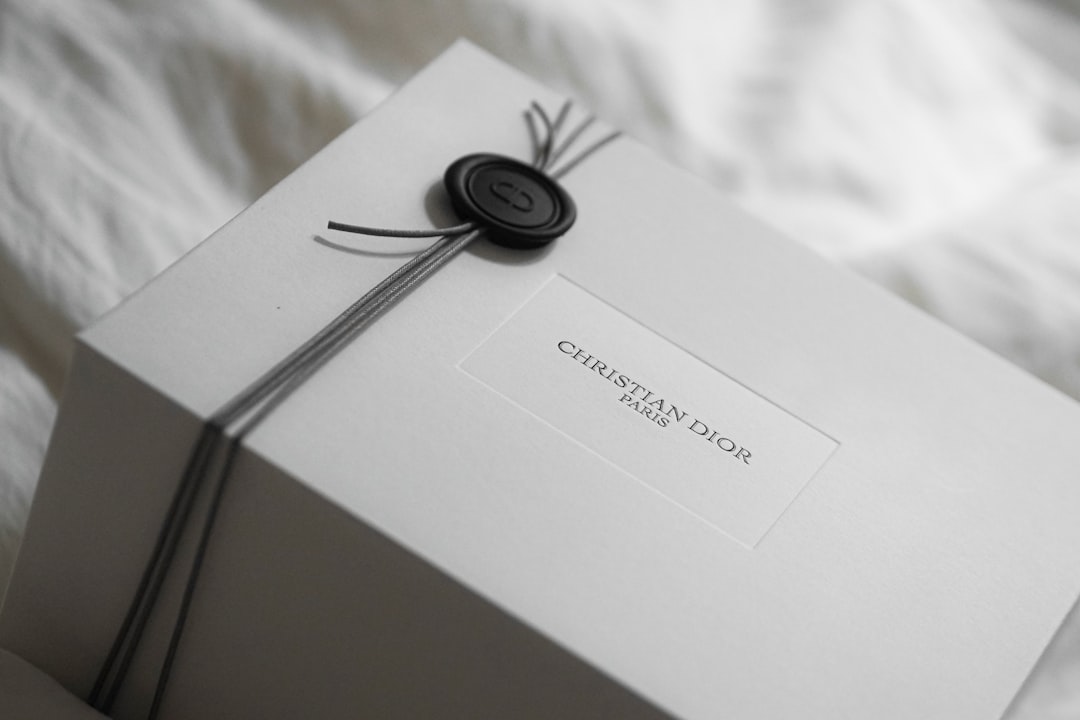
Blind embossing (without ink or foil) creates an especially elegant effect — subtle enough to discover through touch, rewarding the customer with a moment of delight.
5. Thoughtful Interior Design
The inside of your packaging matters as much as the outside in luxury packaging design. Interior elements include:
- Satin or velvet linings for jewelry, watches, and accessories
- Custom foam inserts precision-cut to cradle the product
- Tissue paper in brand colors with printed patterns
- Ribbon pulls that aid product removal while adding ceremony
Every layer the customer removes should build anticipation and reinforce the premium nature of the product. The interior reveals should feel intentional, not accidental.
6. Personalization and Limited Editions
Personalization elevates luxury packaging design from premium to exclusive. Techniques include:
- Hot foil monogramming with customer initials
- Limited edition numbering printed or embossed on the packaging
- Seasonal or collaboration-specific colorways and designs
- Handwritten notes or signed certificates of authenticity
Digital printing technology now makes short-run personalization economically viable. Brands can offer personalized luxury packaging without the massive minimums that were previously required.
7. Sustainable Luxury
Modern luxury consumers expect sustainability alongside premium quality. The most forward-thinking luxury packaging design integrates environmental responsibility:
- FSC-certified papers from responsibly managed forests
- Recyclable or biodegradable materials that maintain premium aesthetics
- Refillable packaging systems that turn the package into a permanent keepsake
- Soy or vegetable-based inks that reduce environmental impact without compromising color vibrancy
Sustainable luxury packaging design proves that premium quality and environmental responsibility are not mutually exclusive. Learn more about sustainable materials that meet luxury standards.
Getting Started with Luxury Packaging Design
The best luxury packaging design starts with understanding your brand identity, target customer, and product requirements. Work with packaging suppliers who offer structural prototyping so you can hold and evaluate samples before committing to production. Consider the total cost of ownership — premium packaging that increases your average order value by even 10% typically pays for itself many times over.
Explore luxury packaging suppliers on the Packaura marketplace who specialize in rigid boxes, premium finishes, and custom structural design for brands that refuse to compromise on quality.
Frequently Asked Questions
How much does luxury packaging design cost per unit?
Luxury packaging design costs vary widely based on materials, finishes, and order volume. Simple rigid boxes with one-color foil stamping start around $3-5 per unit at quantities of 500 or more. Fully custom luxury boxes with multiple finishes, custom inserts, and premium materials can range from $8-25 per unit. Prototyping and design fees are typically $500-2,000 upfront but are often credited against production orders.
What is the minimum order quantity for custom luxury packaging?
Minimum order quantities for luxury packaging typically range from 200 to 1,000 units depending on the supplier and complexity. Some suppliers on Packaura offer minimums as low as 100 units for standard rigid box sizes with custom printing. For highly customized structural designs, minimums may be higher due to tooling costs.
Can luxury packaging design be sustainable?
Absolutely. Many premium packaging materials are inherently sustainable — FSC-certified papers, recycled rigid board, and soy-based inks all meet luxury standards while reducing environmental impact. Refillable packaging concepts and minimalist designs that use less material are also growing trends in sustainable luxury. The key is choosing materials and processes that maintain premium tactile and visual quality while improving end-of-life recyclability.