
China supplies a dominant share of the world’s custom packaging—from folding cartons and rigid boxes to flexible pouches and labels. The opportunity is real, but so is the risk: trading companies masquerading as factories, expired certifications, and disappearing suppliers after payment are all too common. Getting this right starts long before you send a single dollar.
This step-by-step vetting guide walks you through how to find, screen, and qualify packaging manufacturers in China—using the right sourcing platforms, business-license checks, certification verification, and factory audit tactics that experienced importers rely on.
Quick Answer
To find a reliable Chinese packaging manufacturer, search on Alibaba (filter for Verified Supplier badge), Global Sources, or Made-in-China.com; verify their business license confirms manufacturing activity (not just trading); request and independently validate ISO 9001, FSC, or BSCI certificates; run a video call factory tour; order samples; then place a small trial order before committing to volume.
Step 1: Choose the Right Sourcing Platform
There are three major B2B platforms for finding Chinese packaging suppliers. Alibaba is the largest and most accessible—use it, but filter aggressively. Prioritize suppliers with the ‘Verified Supplier’ badge (which indicates a third-party on-site audit) and at least five years of Gold Supplier status. Gold status alone is self-paid and not a quality guarantee; the Verified badge matters more. Read low-star reviews carefully for recurring patterns like late shipments or substituted materials.
Global Sources applies stricter entry requirements and face-to-face vetting for listed suppliers, making its pool smaller but generally more export-experienced. Made-in-China.com sits between the two in terms of rigor and also supports third-party audit requests. For packaging specifically, attending trade events like the biannual Canton Fair (Guangzhou, spring and autumn) or the dedicated Sino-Pack packaging machinery and materials expo gives you face-to-face access to manufacturers and lets you compare samples in person before any commitment.
One critical distinction: a factory manufactures products itself, while a trading company is a middleman buying from factories and selling to you. Factories typically offer better pricing, more technical support, and direct accountability. Trading companies can offer lower minimum order quantities (MOQs) and more product variety, but add a margin and a layer of distance from the actual production.
Step 2: Verify the Supplier is a Real Manufacturer
Every legitimate Chinese company has a publicly registered Business License. Ask for a copy and check the ‘Business Scope’ section. You want to see the characters 生产 (shēngchǎn, production) or 制造 (zhìzào, manufacturing) in the scope. If you only see 销售 (xiāoshòu, sales) or 贸易 (màoyì, trade), you’re looking at a trading company, not a factory—even if their website says ‘manufacturer.’ You can verify business registration details through China’s National Enterprise Credit Information Publicity System (gsxt.gov.cn).
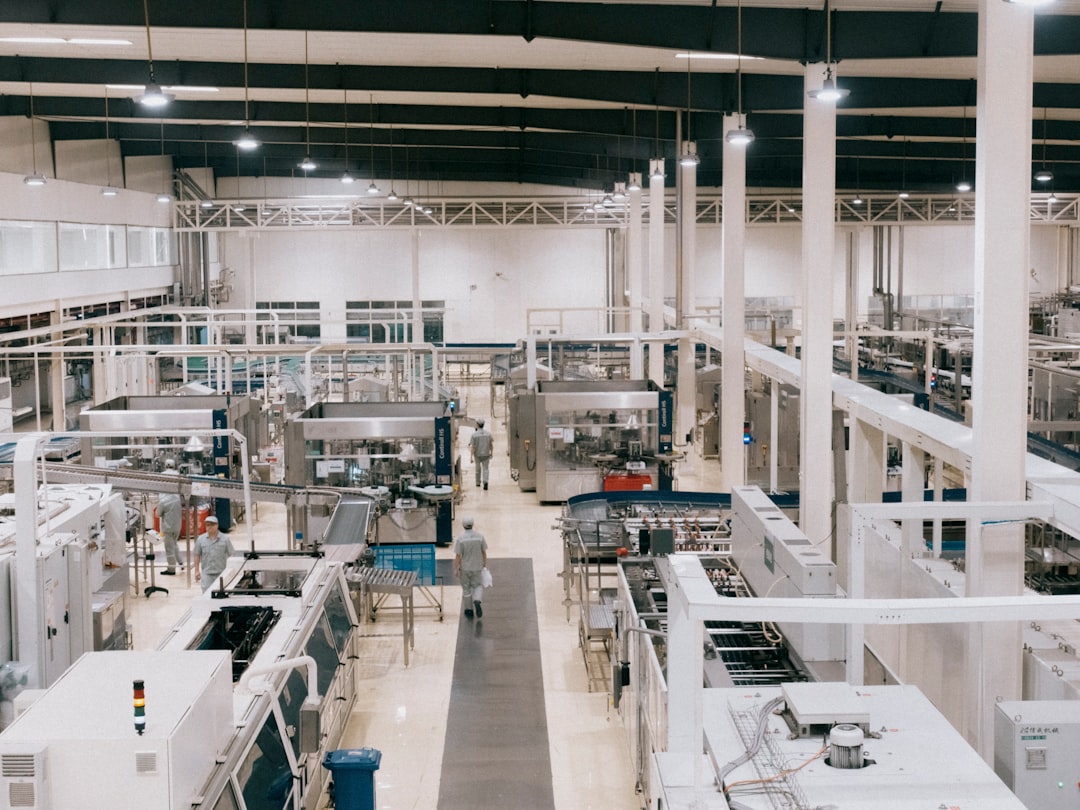
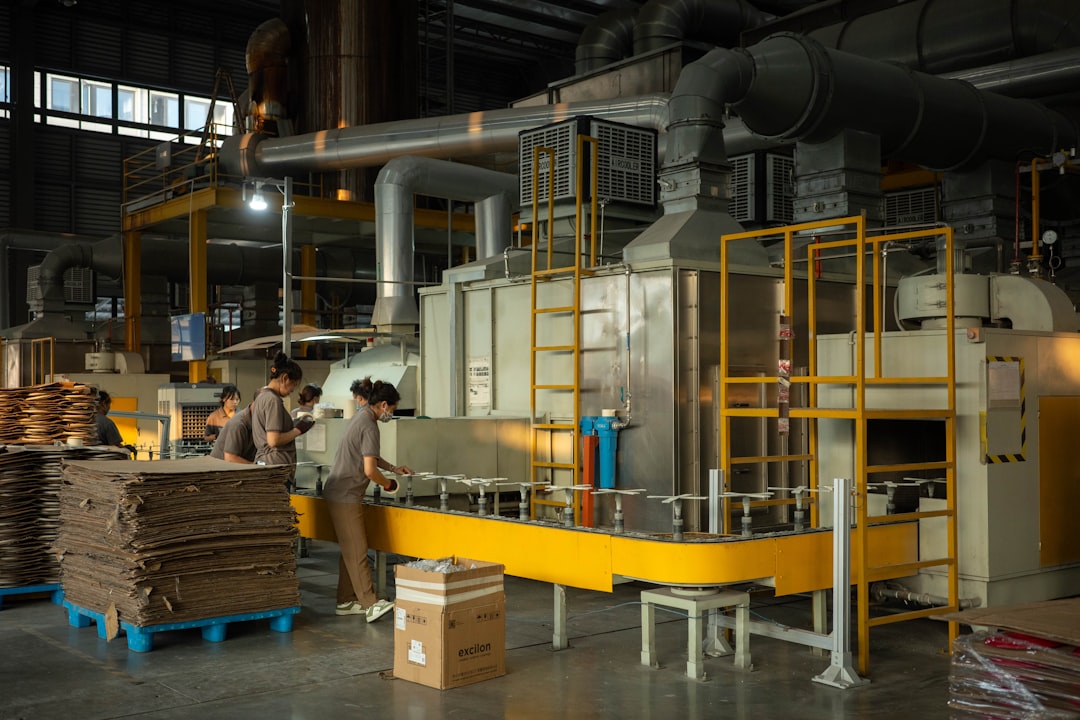
Request a live video call walkthrough of the facility. A real factory will show you the production floor, printing or die-cutting equipment, finishing lines, and warehouse—on relatively short notice. Reluctance to do this, or a request for two or more weeks of lead time before any visit, is a meaningful red flag. During the call, ask to see the production area for your specific packaging type and request that the operator demonstrate a machine.
Step 3: Check Certifications—and Verify Them Independently
Certifications are only as trustworthy as the verification behind them. The key ones for packaging: ISO 9001 confirms a documented quality management system is in place. FSC (Forest Stewardship Council) certification is essential if you’re sourcing paper, cardboard, or wood-based packaging—it confirms responsible forestry and chain of custody. You can verify any FSC certificate number directly at info.fsc.org. BSCI (Business Social Compliance Initiative) addresses labor rights, health and safety, and ethical business conduct—increasingly required by European retailers.
When a supplier shares a certificate, don’t accept a scan at face value. Request the certificate number, issuing body, and expiry date, then verify on the certifying body’s official database. Certificates displayed on a wall during a video tour that cannot be traced to a verifiable database entry should be treated as unverified. Also request the full test report—not just the cover page—for any regulatory compliance claim (such as food-contact safety or recyclability).
Step 4: Sample, Trial Order, and Ongoing Quality Control
Before placing any production order, request physical samples against your exact specification sheet—including materials, dimensions with tolerances, color codes (Pantone references), print finish, and structural requirements. Keep a control sample sealed and labeled so you have a physical reference to compare against bulk production later. Pay for samples; suppliers who offer ‘free’ samples on first contact are sometimes less invested in getting them right.
Even after good samples, place a small trial order—typically 10–20% of your intended volume—before committing to full production. This tests whether the factory can replicate sample quality at scale and under real production pressure. Build in a pre-shipment inspection: either send your own QC team or use an independent third-party inspection service to check finished goods before they leave the factory. This step catches defects before the shipment arrives at your warehouse and gives you leverage to require rework while the goods are still in China.
Red Flags and Common Mistakes
Watch for these warning signs: prices significantly below market rate (often a signal of material substitution or hidden costs to come); insistence on payment via Western Union, MoneyGram, or direct wire to a personal account (use Trade Assurance on Alibaba or a Letter of Credit for large orders); refusal to provide a business license or allow any third-party audit; inconsistency between the company name on emails, invoices, and the business license; and a single English-speaking contact who is your only gateway to the factory with no access to engineers or management.
Common buyer mistakes include skipping the trial order to ‘save time,’ accepting certification copies without independent verification, choosing the lowest-priced supplier without investigating why the price is low, and failing to define a written quality agreement (including acceptable defect rates and remedies) before production begins. Undisclosed subcontracting—where your order is quietly passed to a third factory—is also a real risk; specify in your contract that no subcontracting is permitted without written approval.
Explore more: Packaging business guides and resources.
Finding reliable packaging manufacturers in China FAQs
What is the difference between a Gold Supplier and a Verified Supplier on Alibaba?
Gold Supplier is a paid membership tier that any company can purchase—it does not involve an audit of the facility. Verified Supplier status, by contrast, involves a third-party on-site inspection of the supplier’s premises and capabilities. When vetting packaging manufacturers, prioritize the Verified Supplier badge over Gold status alone.
How do I verify an FSC certificate for a Chinese packaging supplier?
Ask the supplier for their FSC certificate number and the name of the issuing certification body. Then search for that certificate number at info.fsc.org, the official FSC certificate database. Confirm that the certificate is current (not expired), that the listed company name matches your supplier, and that the scope covers the specific product type you’re ordering.
Should I use a sourcing agent to find packaging manufacturers in China?
A reputable sourcing agent can be worth the fee—typically 5–10% of order value—if you’re new to China sourcing, need smaller MOQs, or lack time to vet suppliers yourself. They can conduct in-person factory audits, handle communication, and manage QC. The tradeoff is that you lose some direct visibility into the supply chain, so choose an agent who provides transparent, documented reporting and has verifiable references from other importers.
Source Smarter With Packaura Direct
Find packaging suppliers, surplus inventory, and certification — all on Packaura Direct. Try Packaura Direct.
Photo by Catgirlmutant on Unsplash.