
The inside of your box is prime marketing real estate, and most brands leave it blank. A plain cardboard interior with generic bubble wrap says nothing about who you are, while a few sheets of color-matched tissue paper, on-brand crinkle filler, and printed wrap can turn a routine delivery into a moment customers photograph and share.
This guide walks through how to choose and use tissue paper, filler (void fill), and wrapping materials specifically to reinforce brand identity — not just protect the product — along with practical steps, material options, and mistakes to avoid.
Quick Answer
Use custom-printed or color-matched tissue paper as the first thing customers see when they open the box, pick a filler material (crinkle paper, spiral fill, or branded inserts) in your brand colors to protect the product while adding visual texture, and reserve printed wrapping paper for gift-style or seasonal touches. Together, these three elements slow down the unboxing moment and make the packaging feel intentional rather than purely functional.
Start With Tissue Paper as Your First Impression
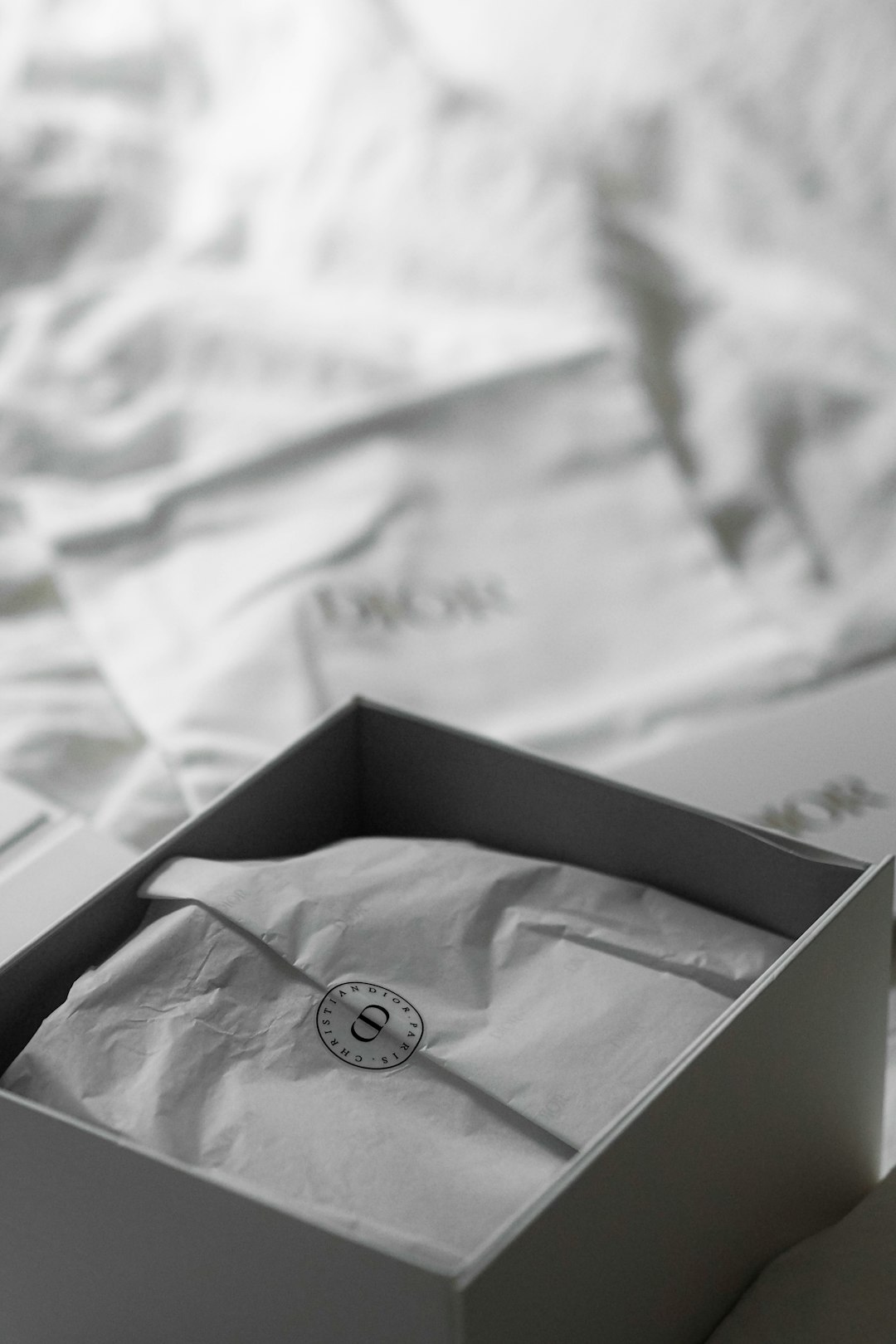
Tissue paper sits directly on top of the product, so it’s the first material a customer touches after opening the box — treat it as a mini billboard. Options range from solid colors matched to your brand palette, to an all-over printed pattern with your logo repeated across the sheet, to a single centered logo stamp on a neutral color. Foil stamping adds a premium look for higher-price items, while a simple one- or two-color print keeps costs down for high-volume shipping.
Sheet size matters more than people expect: standard sizes run around 20×30 inches, and you’ll typically use one or two sheets per box, folded or crumpled loosely on top of the product. For sustainability-minded brands, look for tissue made from recycled content with water-based or soy-based inks, and confirm it’s acid-free if it will touch fabric, jewelry, or anything that could be damaged by chemical residue.
If a full custom print run isn’t in the budget yet, start with a solid brand color plus a rubber-stamped or sticker logo — it still reads as intentional and can be upgraded to full print later.
Choose Filler That Protects the Product and Carries Your Brand
Filler, also called void fill, keeps products from shifting during shipping — but the material you choose also shapes how the package feels. Crinkle paper (shredded, crimped paper available in kraft, white, black, or custom colors) is the most common choice: it cushions well, photographs nicely for unboxing content, and can be dyed to match your palette. Spiral-cut fillers are a space-efficient alternative that add cushioning with less storage volume than loose shred.
For structured or fragile items — bottles, jars, cosmetics, electronics — custom box inserts or dividers do double duty: they hold the product in place precisely and present it the way a display case would, which reads as more premium than loose filler alone. Choose fiber-based fillers (recycled paper crinkle, molded pulp, honeycomb paper) over plastic air pillows or foam peanuts if sustainability is part of your brand story, since paper-based void fill is more likely to be curbside recyclable or compostable.
Match filler color to your tissue paper or logo rather than defaulting to plain kraft — a color-coordinated interior reads as designed, while mismatched materials read as leftover packing supplies.
Use Wrapping Paper for Gift Moments and Seasonal Campaigns
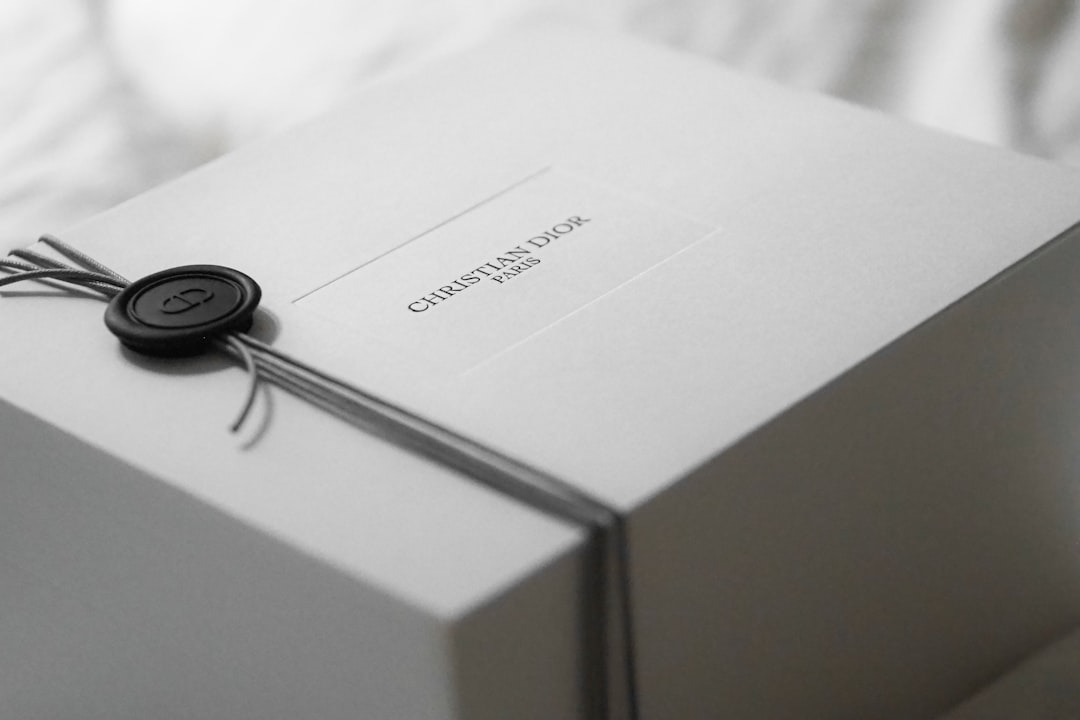
Printed wrapping paper is less common for everyday shipping but works well for gift orders, VIP customers, holiday drops, or limited editions where the extra step of wrapping a product before boxing it adds a sense of occasion. A custom pattern featuring your logo, brand colors, or a seasonal motif turns the product itself into a wrapped gift, even for a solo online order.
As with tissue paper, look for FSC-certified paper stock and soy- or water-based inks if eco-credentials matter to your customers; several printers now offer this as standard rather than a premium add-on. Keep a simplified version of your main print pattern in stock year-round, and reserve a special seasonal wrap for specific campaigns so you’re not reprinting constantly.
Tips / Common Mistakes
Order small trial batches before committing to a large print run — colors that look right on screen can shift once printed on tissue stock, and minimum order quantities vary a lot by supplier. Don’t over-stuff the box with filler; the goal is a clean reveal, not a customer digging through excess material to find the product. Keep your logo and color usage consistent across tissue, filler, and any inserts — a mismatched blue on the tissue versus the box itself undercuts the effect you’re going for. Finally, watch shipping weight and box-fill costs: tissue and crinkle paper are cheap per unit, but they add up in a large distribution center, so budget for it as a real line item rather than an afterthought.
Explore more: More packaging design guides.
Tissue paper, filler, and wrapping for brand reinforcement FAQs
Does branded tissue paper actually make a difference for a small business?
Yes — it’s one of the lowest-cost ways to make packaging feel designed rather than generic, and it’s especially effective for brands that rely on customers sharing unboxing photos or videos on social media.
What’s the difference between filler and void fill?
They’re generally the same thing — ‘void fill’ is the functional/shipping term for material that fills empty space in a box, while ‘filler’ is often used more loosely to include decorative elements like crinkle paper or tissue.
Is crinkle paper or tissue paper better for protecting products?
Crinkle paper generally provides more cushioning for fragile or shifting items, while tissue paper is better suited to presentation and light protection for items like clothing or accessories. Many brands use both together.
How much does custom printed tissue paper cost?
Pricing depends heavily on quantity, number of print colors, and paper weight, so it’s best to request quotes from a few packaging suppliers directly rather than relying on a general estimate.
Are there eco-friendly options for branded packaging filler?
Yes — recycled-content crinkle paper, molded pulp inserts, and honeycomb paper fillers are widely available paper-based alternatives to plastic air pillows or foam peanuts, and many are recyclable or compostable.
Source Smarter With Packaura Direct
Find packaging suppliers, surplus inventory, and certification — all on Packaura Direct. Try Packaura Direct.
Photo by Laura Chouette on Unsplash.