
If you ship boxes for a living, the tape you reach for says a lot about how sustainable your packaging really is. Plastic packing tape (usually BOPP) is cheap and familiar, but it turns every box into a recycling headache. Water-activated tape (WAT), also called gummed paper tape, is the paper-based alternative that’s picking up steam among small businesses trying to cut plastic out of their shipping line.
This guide breaks down how each tape works, how they compare on recyclability, strength, cost, and ease of use, and how to switch to water-activated tape without slowing down your packing station.
Quick Answer
For sustainable shipping, water-activated tape is the better choice: it’s made from kraft paper and a starch-based adhesive that bonds directly to cardboard, so boxes can go straight into paper recycling without anyone peeling tape off first. Plastic packing tape is cheaper and doesn’t require a dispenser, but it’s a well-documented contaminant in cardboard recycling streams and doesn’t biodegrade.
How Each Tape Actually Works
Plastic packing tape is a strip of biaxially oriented polypropylene (BOPP) film coated with a pressure-sensitive acrylic or hot-melt adhesive. Press it onto a box and it sticks instantly — no water, no waiting, no special equipment beyond a handheld tape gun.
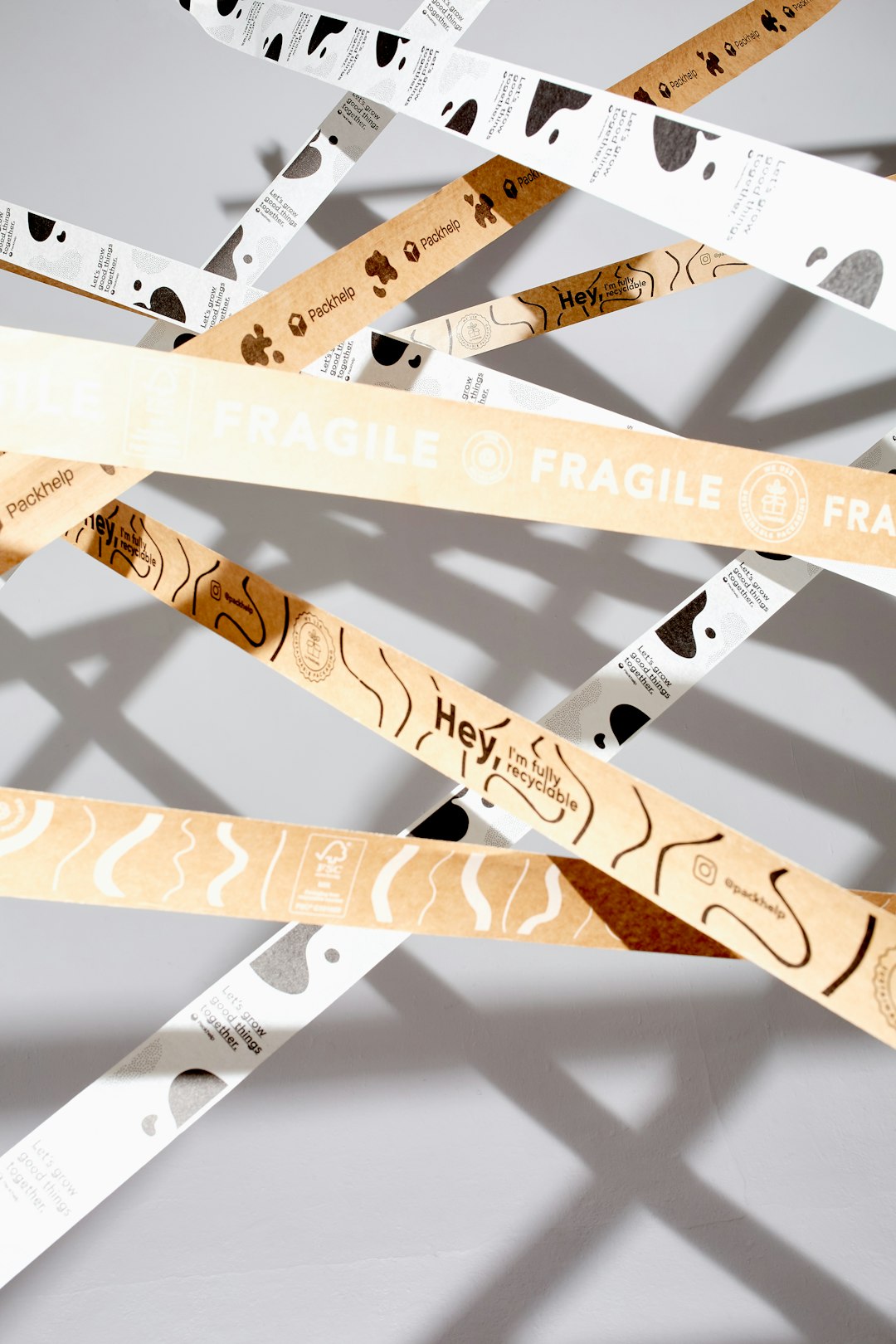
Water-activated tape is a kraft paper strip coated with a starch-based adhesive (derived from corn, potato, or wheat starch) that stays inert until it’s moistened. Run it through a dispenser with a wet sponge or brush, and the water activates the starch, which then forms a chemical bond with the cellulose fibers of the cardboard itself — not just a surface stick. Reinforced versions add fiberglass filaments through the paper for extra tear resistance on heavier boxes.
That chemical bond is also why WAT is tamper-evident: because the adhesive fuses into the box fibers, trying to peel the tape off tears the cardboard surface, which makes it obvious if a package was opened in transit.
Recyclability and Environmental Impact
This is where the two tapes diverge most. Plastic tape is one of the most common contaminants paper mills deal with — it doesn’t break down in the pulping process, and instead it tangles with other plastic and metal debris into long strands (sometimes called ‘ragger tails’) that have to be manually pulled out of recycling machinery. Large amounts of tape residue can even get a whole bale of cardboard rejected by a recycler.
Water-activated tape dissolves in the same pulping process as the cardboard it’s sealing, because it’s made of the same base material — wood pulp fiber. Boxes sealed with WAT can go straight into curbside cardboard recycling without any tape removal. The kraft paper backing comes from renewable wood pulp (often recycled content), and the starch adhesive is biodegradable and free of solvents.
Neither tape is perfect — reinforced WAT with fiberglass strands and any WAT with heavy printing or coatings can complicate recycling somewhat — but on balance, plain or lightly reinforced water-activated tape is the more circular-economy-friendly option for anyone trying to reduce plastic in their shipping stream.
Strength, Cost, and Ease of Use
Strength: A properly moistened, reinforced water-activated tape seal is generally regarded as stronger and more tamper-resistant than plastic tape, because it bonds into the box rather than just sitting on top of it. Standard (non-reinforced) WAT is fine for lighter cartons but won’t match reinforced plastic tape on very heavy or irregular loads.
Cost and equipment: Plastic tape wins on simplicity — a handheld tape gun costs very little and needs no setup. Water-activated tape requires a dispenser (manual, electric, or semi-automatic) that wets the tape as it feeds out, which is a real upfront investment, though the tape itself is often price-competitive with tape once you’re shipping enough volume to justify a dispenser.
Speed: Plastic tape applies faster out of the box with zero learning curve. WAT has a short learning curve — the adhesive typically sets within 5–10 seconds — and works best on clean, dry cardboard surfaces so the water-based bond can form properly.
Tips and Common Mistakes
Don’t oversoak the tape. Just enough water to fully wet the adhesive strip is enough; a soggy, dripping strip weakens the bond and can wrinkle the paper.
Run a test strip on any new roll or dispenser, since moisture rollers can wear unevenly and leave dry patches that won’t stick.
Press firmly along the full length of the tape immediately after application — the bond strengthens as it dries, so good initial contact matters.
Match tape width and layers to box weight: for heavier or bulkier shipments, use reinforced (fiberglass-strand) water-activated tape and add an extra strip across the seam rather than assuming a single pass will hold.
If you’re not ready to switch tape entirely, at minimum avoid mixing plastic tape with recycled-content boxes advertised as curbside recyclable — it undercuts the point of using eco-friendly boxes in the first place.
Store water-activated tape rolls somewhere dry; humidity can pre-activate the adhesive on the roll and ruin it before you ever use it.
Explore more: more sustainable shipping guides.
Water-Activated Tape vs Plastic Packing Tape FAQs
Is water-activated tape actually recyclable with the box?
Yes. Because it’s kraft paper with a starch-based adhesive, it pulps along with the cardboard box in standard paper recycling, so there’s no need to remove it before recycling — unlike plastic tape.
Is water-activated tape as strong as plastic packing tape?
Reinforced (fiberglass-strand) water-activated tape is generally considered stronger and more tamper-evident than standard plastic tape because it bonds directly into the cardboard fibers. Non-reinforced WAT is best suited to lighter packages.
Do I need special equipment to use water-activated tape?
Yes, you need a water-activated tape dispenser that moistens the tape as it feeds out — manual hand-crank dispensers, electric tabletop units, and semi-automatic dispensers are all common options depending on shipping volume.
Can I recycle a box sealed with plastic packing tape?
Most curbside programs will accept a box with small amounts of plastic tape, but large amounts of tape can cause a whole load to be rejected or clog recycling machinery, so it’s better to minimize plastic tape use or remove it before recycling where possible.
Source Smarter With Packaura Direct
Find packaging suppliers, surplus inventory, and certification — all on Packaura Direct. Try Packaura Direct.
Photo by Kelly Sikkema on Unsplash.