
If you package sandwiches, fried food, baked goods, or anything with sauce, the coating on your wrap paper matters as much as the print on it. Wax and polyethylene (PE) are the two most common coatings used to keep grease and moisture from soaking through paper, but they behave very differently once real food — hot, wet, or oily — hits them.
This guide breaks down how each coating performs on grease resistance, heat, and moisture, plus the end-of-life trade-offs, so you can match the coating to your menu instead of guessing.
Quick Answer
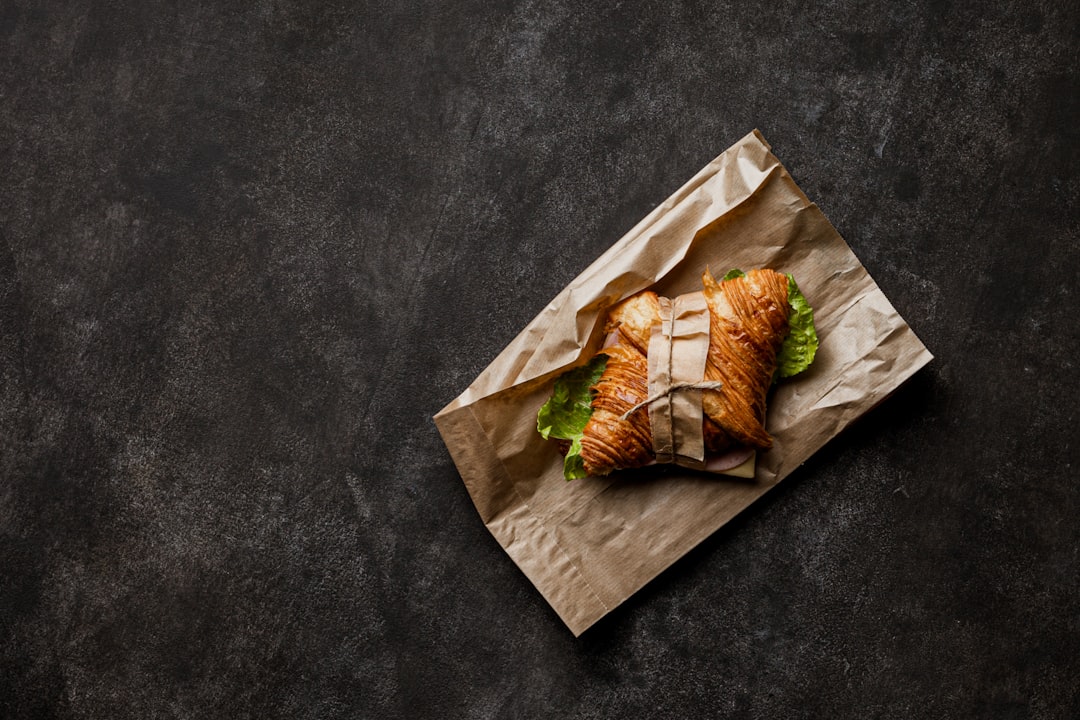
For hot, wet, or heavily oily foods (burgers, saucy wraps, fried items held under a heat lamp), polyethylene-coated paper is the better choice — its plastic layer forms a near-complete moisture and grease barrier that won’t soften or melt under heat. Wax-coated paper works well for cold or room-temperature foods like deli sandwiches, cheese, and bakery items, but don’t choose it expecting an easier recycling outcome — most municipal curbside programs reject wax-coated paper just as they reject PE-coated paper, since ordinary recycling equipment can’t separate either coating from the fiber.
How Each Coating Performs on Grease, Moisture, and Heat
Polyethylene coating is a thin layer of plastic extruded or laminated onto the paper. It creates a continuous barrier that blocks both grease and moisture far more effectively than wax, which is why PE-coated paper and board are the standard for foods that actively drip, leak, or steam — think dripping burgers, saucy tacos, and hot deli trays. Because polyethylene has a much higher melting point than wax, it holds up under heat lamps, warming cabinets, and hot food straight off the grill without softening, transferring, or breaking down.
Wax coatings (traditionally paraffin, increasingly soy or other bio-based waxes) also resist grease and moisture, and they do a good job keeping paper from sticking to food — useful for bakery items, candies, and cold cuts. The trade-off is heat: wax softens and can migrate onto food at temperatures well below what a hot sandwich or fryer basket produces, and it doesn’t hold up to prolonged contact with heavy oil or sauce the way PE does.
One side benefit of wax paper is breathability. Because it doesn’t form the same airtight film as PE, it lets a small amount of moisture escape — which is why it’s often preferred for cheese and cold meats that would otherwise sweat and go soggy inside a fully sealed PE wrap.
Recyclability and End-of-Life: The Trade-Offs
Neither coating is a clean win for standard curbside recycling. Most municipal paper streams are set up for uncoated paper and cardboard, and waxed paper is one of the materials recycling guides most commonly flag for exclusion — the wax can’t be separated from the fiber during ordinary pulping, so it contaminates the batch. Where waxed paperboard is accepted at all, it’s usually at a transfer station or specialty facility that handles it outside the normal paper stream, often by burning it for energy recovery rather than pulping it back into new paper.
PE-coated paper faces a similar barrier: recycling it requires specialized equipment that can strip the plastic layer from the fiber, which most standard municipal facilities don’t have. In practice, that means both wax-coated and PE-coated paper should be treated as generally not recyclable unless your local hauler explicitly says otherwise — check before assuming either one belongs in the bin.
Where the two genuinely differ is biodegradability, not curbside recyclability. PE is a petroleum-based plastic film and does not biodegrade or compost. Wax-coated paper’s fate depends on the wax: paraffin wax is also petroleum-based and breaks down very slowly, while soy or other plant-based waxes are more biodegradable and can compost, though often more slowly than people expect. Either way, wax paper that’s heavily soiled with grease or food residue generally shouldn’t go in a compost bin, curbside or backyard, so ‘greasy and wet food’ use cases — the exact scenario this article covers — usually land in the trash regardless of which coating you chose.
If sustainability claims matter to your brand or customers, don’t rely on the word ‘paper’ alone. Ask your coating supplier exactly what wax or resin is used, whether it’s certified compostable, and whether any local facility actually accepts it — then set customer-facing disposal instructions based on that answer, not on assumptions.
Tips / Common Mistakes
Don’t default to wax paper for hot, saucy, or fried food just because it feels more ‘natural’ — it can soften, let grease bleed through faster, and let wax transfer onto the food itself. Match the coating to temperature and moisture load, not just to the food category.
Don’t assume either wax-coated or PE-coated paper is recyclable in a standard curbside bin — confirm with your municipal program or waste hauler first, since coated ‘paper’ products are among the materials most commonly rejected at recycling facilities, whichever coating they use.
If you need grease resistance without any plastic film or wax, look at greaseproof paper that gets its grease resistance from the fiber structure itself (refined pulp) rather than a coating — that type is generally easier for standard paper recycling to handle than PE-coated stock, though it doesn’t block heavy sauces or liquids the way PE does. Note this doesn’t apply to silicone-coated greaseproof/parchment paper, which recycling facilities typically reject for the same reason they reject wax and PE coatings.
Always ask suppliers for the coating’s actual heat tolerance and grease-resistance rating rather than relying on the word ‘food safe’ alone — food safety compliance confirms the material won’t harm anyone, not that it will perform under your specific holding times and temperatures.
Explore more: Browse more packaging materials guides.
Wax-Coated vs Polyethylene-Coated Paper FAQs
Is wax paper or PE-coated paper better for greasy food?
PE-coated paper generally handles heavy grease better, especially for hot food, because its plastic layer forms a more complete barrier than wax. Wax paper works fine for lighter grease loads, like pastries or cold cuts, at room temperature.
Can wax-coated paper go near hot or heated food?
It’s not recommended for hot or heated food. Wax softens and can melt or transfer onto food at temperatures well below typical hot-holding temperatures, whereas PE-coated paper tolerates heat without breaking down.
Is wax-coated or PE-coated paper recyclable?
Generally not through standard curbside recycling — both coatings contaminate the paper pulping process, and most municipal programs exclude wax-coated paper alongside PE-coated paper. Some waxed paperboard is accepted at transfer stations or specialty facilities, but it’s typically diverted for energy recovery rather than recycled into new paper. Always check local guidance rather than assuming either is recyclable. PE-coated paper is also not compostable since it’s a plastic film; wax-coated paper’s compostability depends on the wax type (soy-based waxes are more biodegradable than petroleum-based paraffin), but food-soiled wax paper generally shouldn’t be composted regardless.
Source Smarter With Packaura Direct
Find packaging suppliers, surplus inventory, and certification — all on Packaura Direct. Try Packaura Direct.
Want packaging news in your inbox? Subscribe to the free newsletter.
Photo: Christopher Flowers deiscribe / CC0, via Wikimedia Commons.