
If you’re formulating or sourcing packaging for a skincare serum, the glass-versus-recycled-plastic decision comes up early, and the honest answer is that neither material is automatically the “sustainable” choice. Each comes with real trade-offs in recyclability, shipping footprint, cost, and how well it protects the formula inside.
This guide breaks down how glass and PCR (post-consumer recycled) plastic actually compare for serum bottles and droppers, why the dropper itself is often the bigger sustainability problem than the bottle, and how to pick the right combination for your product and brand.
Quick Answer
Glass is infinitely recyclable and generally the better choice for protecting sensitive, oil-based, or active-ingredient serums, but it’s heavier to ship and more prone to breakage. High-PCR-content plastic is lighter, cheaper to transport, and increasingly good at mimicking glass-like clarity, but recycled resin quality is inconsistent and most droppers, whether on glass or plastic bottles, mix in enough plastic, metal, and rubber parts to complicate curbside recycling either way.
How Glass and Recycled Plastic Actually Compare
Recyclability: Glass can be recycled repeatedly without losing quality or purity, and municipal glass recycling streams are well established in most regions, though not universal. PCR plastic, by contrast, degrades somewhat with each recycling cycle, and supply is constrained by inconsistent collection: most curbside programs handle PET and HDPE reliably, but polypropylene items like caps and dropper components are far less consistently collected and sorted.
Weight and shipping footprint: Glass is substantially heavier than plastic for the same volume, and that weight difference compounds across a supply chain, more fuel to ship, more risk of breakage in transit, and often extra protective packaging (foam, dividers) that adds its own waste. Recycled plastic is lighter and generally has a lower transportation-related carbon footprint per unit shipped, even before accounting for what it’s made from.
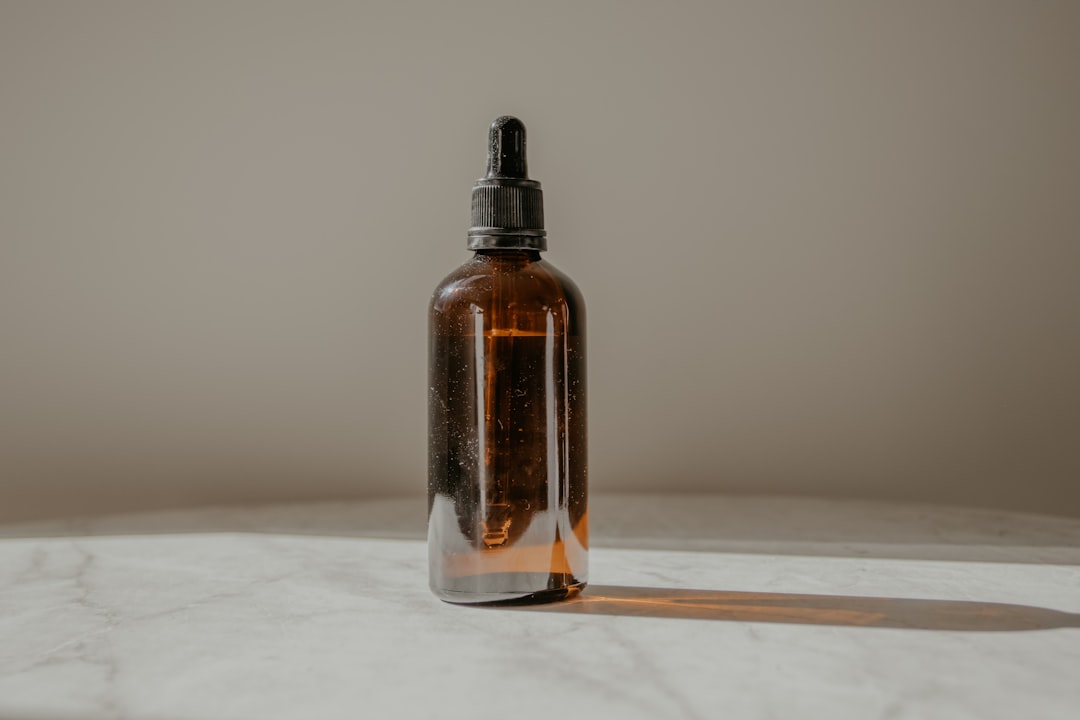
Product protection: Glass is inert and doesn’t interact with formulas, which matters for serums with actives, essential oils, or ingredients sensitive to plastic leaching. Amber or cobalt glass also blocks UV light that can degrade light-sensitive actives like vitamin C or retinol. Clear PCR plastics (particularly recycled PET) have improved and can now offer near-glass clarity, but they generally don’t match glass’s barrier properties for long-term stability of the most sensitive formulas.
Cost and brand perception: Glass tends to command a premium look and feel that many prestige and clean-beauty brands lean into, but it costs more to source, ship, and insure against breakage. PCR plastic is typically cheaper at scale and easier to mold into complex functional shapes (like airless pumps), but sourcing consistent, high-quality PCR resin has been a persistent supply and quality challenge for cosmetics manufacturers, with contamination and batch-to-batch variation still common issues.
The Dropper Problem: Why the Closure Matters More Than the Bottle
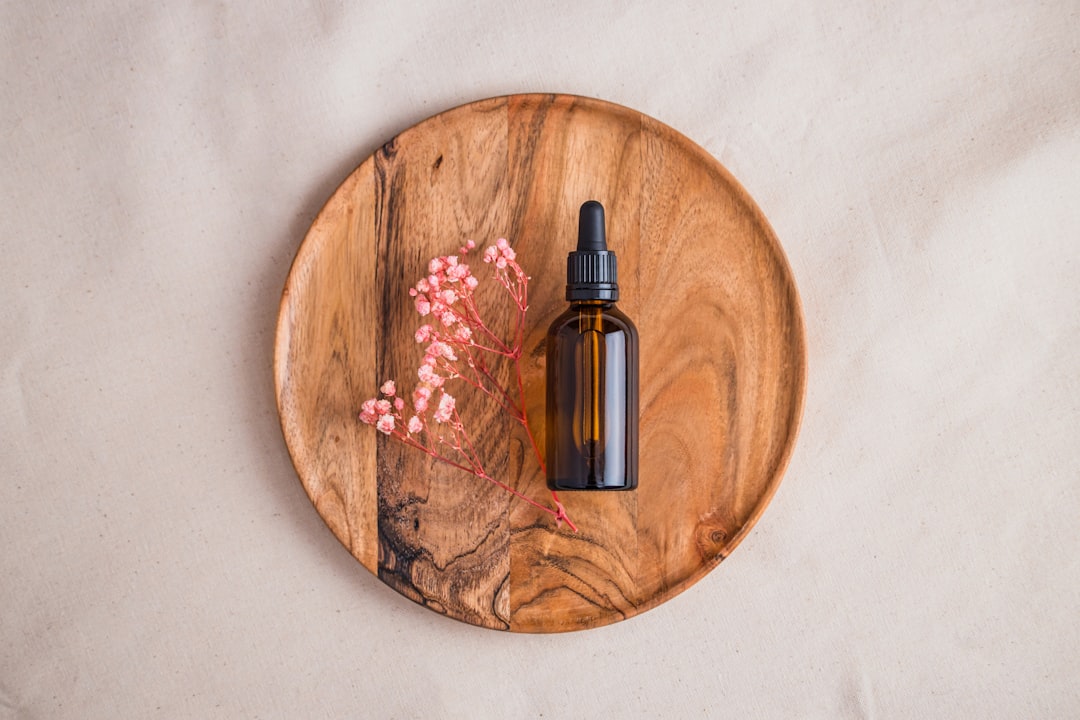
Most of the recyclability argument for serum packaging actually hinges on the dropper assembly, not the bottle. A traditional glass serum bottle paired with a standard dropper closure typically combines the glass vial with a plastic bulb, a rubber or silicone teat, a glass or plastic pipette, and sometimes a metal spring, none of which separate cleanly in a household recycling bin. The same problem exists with plastic bottles that use multi-material pump or dropper mechanisms.
The most meaningful sustainability upgrade for serum packaging right now isn’t necessarily switching materials, it’s moving toward mono-material design, where the bottle, closure, and dropper are made from a single recyclable polymer (commonly PP or PET), or toward refill systems where only an inner cartridge is replaced and the outer bottle or dropper mechanism is reused. Several packaging suppliers now offer mono-material dropper systems built specifically to solve this.
Tips and Common Mistakes
Don’t assume glass is greener by default: for a product shipped long distances in small volumes, the transportation footprint of glass can outweigh the recyclability advantage, especially if it ends up in landfill anyway due to breakage or contamination from residual product.
Check what “recycled” actually means on a spec sheet: ask suppliers for the specific PCR percentage and resin source, since vague “eco-friendly” or “recyclable” claims without numbers or third-party verification are a common greenwashing red flag.
Match the closure to the bottle’s recyclability, not just the bottle itself: a fully recyclable glass or PCR bottle paired with a mixed-material dropper still isn’t a fully recyclable package. Look for mono-material dropper or pump options where possible.
Consider dark glass or opaque PCR for light-sensitive formulas: if your serum contains actives that degrade in light (vitamin C, retinol, certain peptides), prioritize UV protection over material purity, since a degraded product is its own form of waste.
Factor in your actual shipping distance and order volume: brands shipping direct-to-consumer nationally or internationally should weigh glass breakage risk and freight weight more heavily than a brand selling primarily through local or regional retail.
Explore more: more sustainable packaging guides.
Glass vs Recycled Plastic Skincare Packaging FAQs
Is glass or recycled plastic more sustainable for skincare packaging?
It depends on your priorities. Glass wins on infinite recyclability and product protection; recycled plastic wins on shipping weight and lower transportation emissions. The bigger sustainability gain often comes from choosing a mono-material or refillable design over debating glass versus plastic alone.
Can serum droppers be recycled?
Usually not easily. Standard droppers combine glass or plastic with rubber bulbs, pipettes, and sometimes metal springs, which most curbside programs can’t sort. Mono-material dropper systems, made entirely from one recyclable polymer, are designed specifically to fix this.
Does recycled plastic affect how well a serum is preserved?
High-quality PCR plastic can perform comparably to virgin plastic for many formulas, but it generally doesn’t match glass’s inert, non-reactive barrier for highly sensitive actives or oil-based serums. Brands using PCR for sensitive formulas should test compatibility and stability before switching.
Why do some skincare brands still choose glass despite the higher shipping footprint?
Glass offers a premium tactile and visual experience many prestige brands want, along with strong protection for actives and no risk of chemical interaction with the formula. For brands prioritizing formula integrity and brand positioning over shipping efficiency, glass remains the preferred choice.
Source Smarter With Packaura Direct
Find packaging suppliers, surplus inventory, and certification — all on Packaura Direct. Try Packaura Direct.
Want packaging news in your inbox? Subscribe to the free newsletter.
Photo by Kadarius Seegars on Unsplash.