
If you’ve ever stood in the kitchen wondering whether that roll of freezer paper is actually safe to put against raw meat, you’re not alone. It looks like plain paper on one side and slightly shiny on the other, and that alone raises questions about what’s really in the coating.
The short version: genuine freezer paper made for food use is food-safe, thanks to a thin polyethylene coating on one side that’s regulated as a food-contact substance. This guide explains how that coating works, which FDA rules cover it, how it differs from craft paper or wax paper, and the mistakes that can undo its food-safe design.
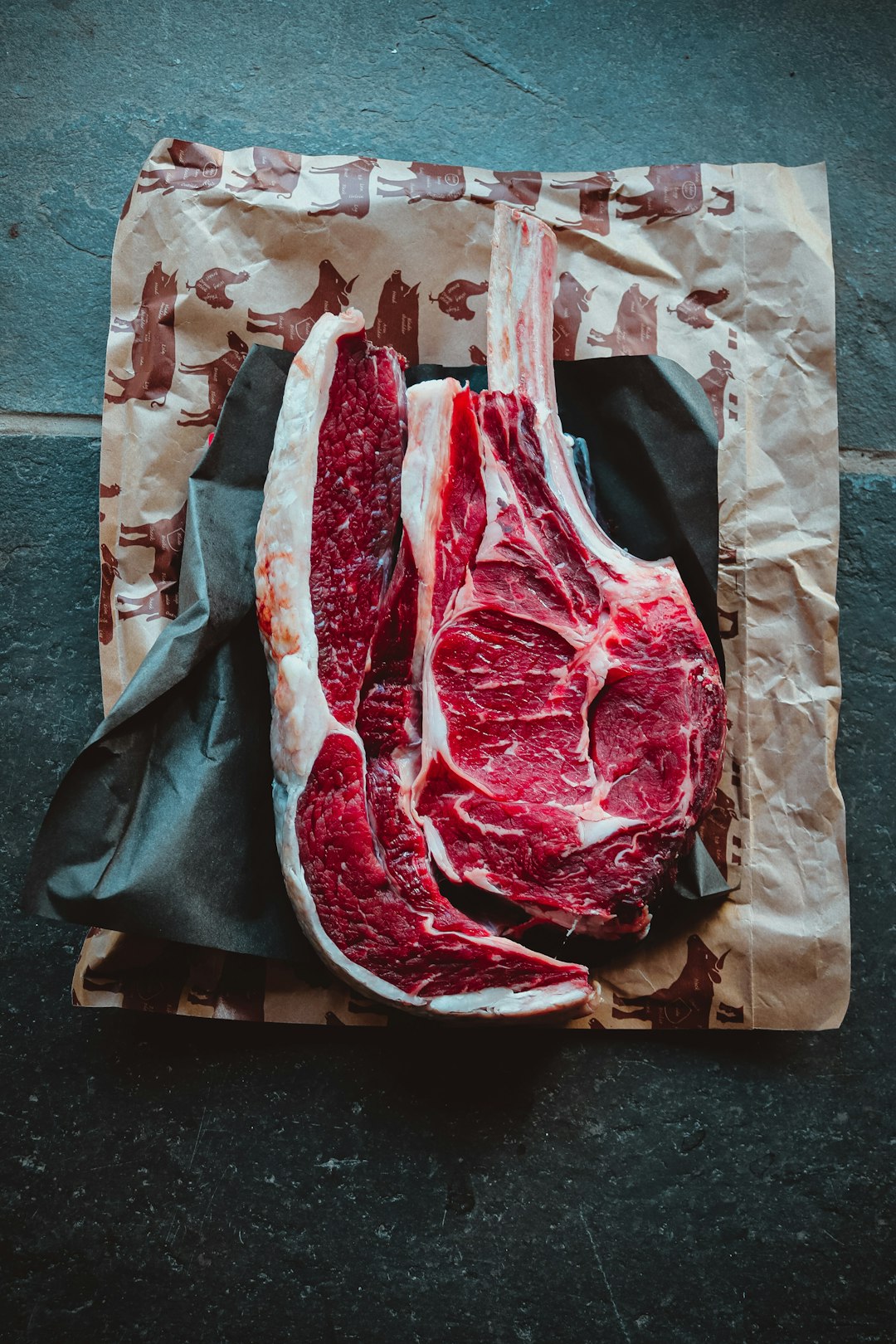
Quick Answer
Yes — freezer paper labeled and sold for food use is food-safe. It’s made of paper with a thin polyethylene (poly) coating on one side, which acts as a moisture and grease barrier. The polyethylene itself is regulated by the FDA as an olefin polymer under 21 CFR 177.1520, while the paper base it’s applied to falls under the paper and paperboard rules in 21 CFR 176.170. The coated, glossy side should face the food; the uncoated, matte side faces out.
How the Poly Coating Makes Freezer Paper Food-Safe
Freezer paper starts as bleached paper stock, then gets a thin layer of polyethylene applied to just one side. That’s the glossy or slightly slick side — the other side stays matte and paper-like. The polyethylene layer is what gives freezer paper its two key jobs: keeping moisture out (which prevents freezer burn) and keeping fat and juices from soaking through the paper.
In the U.S., the polyethylene coating itself is governed as an olefin polymer under 21 CFR 177.1520, which sets specifications for polyethylene and similar polymers used as food-contact surfaces. The paper base underneath is separately covered by 21 CFR 176.170, which addresses components of paper and paperboard in contact with aqueous and fatty foods. Together, these two rules are what a manufacturer is representing compliance with when it labels a roll ‘food-grade’ or ‘FDA-compliant’ — which is why reputable freezer paper brands specifically state that on the label rather than leaving it unstated.
This also explains why orientation matters when you wrap something: the poly-coated side goes against the food. That’s the side engineered as the barrier; the uncoated paper side is meant to face outward, where you’d write labels or dates with a marker.
Freezer Paper vs. Wax Paper vs. Butcher Paper vs. Craft Paper
These four get confused constantly, and the differences matter for food safety. Freezer paper has a polyethylene coating on one side only, designed specifically to resist moisture during freezer storage. Wax paper is coated with wax, often on both sides, and is fine for room-temperature food contact (like lining a countertop or wrapping a sandwich) but isn’t meant for freezing raw meat since it doesn’t seal out moisture as effectively over time and the wax can be more prone to transferring at higher temps.
Butcher paper is typically uncoated or only lightly treated, thicker and more porous than freezer paper. That porosity is actually the point for something like smoking meat, where you want some airflow, but it makes plain butcher paper a poor choice for long-term freezer storage since it doesn’t block moisture the way poly-coated freezer paper does.
Craft paper (plain brown kraft paper, including generic shipping or packing paper) is the one to watch out for. Unless it’s specifically labeled food-grade, kraft/craft paper isn’t necessarily made or tested to food-contact standards — it may include recycled content, inks, or additives that aren’t cleared for direct food contact. Don’t substitute plain craft paper from a shipping supply drawer for real freezer paper just because it looks similar.
One more important flag: PFAS (the ‘forever chemicals’ sometimes used as grease-proofing agents on paper food packaging like fast-food wrappers and popcorn bags) have been the subject of an FDA-led phase-out, with manufacturers committing to stop U.S. sales of PFAS-based grease-proofing substances for food contact. Freezer paper’s polyethylene coating is a different chemistry than those PFAS grease-proofing treatments, but if you’re sourcing paper packaging for a food business, it’s worth confirming with your supplier that any coating — poly, wax, or grease-resistant treatment — is PFAS-free and currently compliant.
Tips / Common Mistakes
Don’t use freezer paper in the oven or microwave. The polyethylene coating that makes it freezer-safe is not heat-stable — it can melt, warp, or scorch at oven or microwave temperatures. If you need something heat-safe, use parchment paper instead, which is coated for that purpose.
Always wrap with the coated (shiny) side against the food. Wrapping with the matte side against the food defeats the moisture barrier and leads to faster freezer burn.
Buy from a supplier that explicitly states the paper is food-grade or FDA-compliant, especially if you’re a business packaging food for resale. A generic ‘freezer paper’ listing without that language may not meet the same standard.
Don’t assume all coated papers are interchangeable. Poly-coated freezer paper, wax paper, and PFAS-treated grease-resistant paper are different coatings with different rules and different appropriate uses — check the label rather than guessing by feel or appearance.
If you’re a packaging buyer rather than a home cook, ask suppliers for a certificate of compliance or a statement referencing the relevant FDA food-contact regulations (both the polyethylene and paper-base rules) for the coating used. This is standard documentation and a legitimate food-grade paper supplier should be able to provide it.
Explore more: More food packaging compliance guides.
Freezer paper food safety FAQs
Is freezer paper the same as food-grade paper?
Freezer paper sold and labeled for food use is a type of food-grade paper — its polyethylene coating is regulated as an FDA-approved food-contact substance. Generic craft or packing paper is not automatically food-grade unless specifically labeled as such.
Which side of freezer paper touches the food?
The coated side, which usually looks slightly glossy or shiny. The uncoated, matte side faces outward and is where you’d typically write labels.
Can I put freezer paper in the oven or microwave?
No. The polyethylene coating isn’t heat-stable and can melt or scorch. Use parchment paper for oven or microwave use instead.
Does freezer paper contain PFAS?
Standard poly-coated freezer paper uses a polyethylene coating, which is a different chemistry than the PFAS-based grease-proofing agents the FDA has been phasing out of other paper food packaging. If you want certainty, ask your supplier to confirm the coating is PFAS-free.
Is wax paper a safe substitute for freezer paper?
For short-term, room-temperature food contact, wax paper is generally fine, but it isn’t designed for long-term freezer storage the way poly-coated freezer paper is, since it doesn’t block moisture as effectively over extended freezing.
Find the Right Packaging Supplier
Search the free Packaura supplier directory — filter by material, certification, and location to find vetted suppliers. Search the Supplier Directory.
Want packaging news in your inbox? Subscribe to the free newsletter.
Photo by Llio Angharad on Unsplash.