
Packaging industry news this week centered on EPR fights on both coasts, a new wave of North American plant investments, and several big brands moving from plastic to paper and lighter glass. California’s governor vetoed changes to the state’s $5 billion plastic pollution fund, wholesalers took their Oregon EPR fight to the Ninth Circuit, and Nestlé and Unilever both explained how they plan to cut virgin plastic. Here is this week’s packaging industry news, grouped by materials, supply chain, and regulation.
Materials & Sustainability

Nestlé Maps Its 2030 Virgin Plastic Cuts
Nestlé now targets a 12-17% cut in virgin plastic by 2030 against a 2018 baseline. According to Packaging Dive, 50-60% of that reduction is expected to come from more recycled content, 30-40% from eliminating plastic, and only 10-15% from alternative materials and reuse. Recycled content in its plastic packaging reached about 21% in 2025, while reusable formats made up just 0.51% of its packaging.
Unilever Joins the PaperFlex Consortium
Unilever has joined PaperFlex, the Ellen MacArthur Foundation-backed consortium working on recyclable and compostable flexible paper packaging. Nestlé, PepsiCo, P&G, Colgate-Palmolive and Mars are also members. Packaging News reports that Unilever has more than doubled its packaging R&D spend and now employs over 60 materials scientists. Brands comparing flexible formats can use our guide to clamshells vs mesh bags vs film wrap as a reference point.
BASF Launches Lower-Carbon Paper Coating Dispersions
BASF introduced paper-coating dispersions that it says cut product carbon footprint by roughly 20-45%. The reduction comes from mass-balance sourcing of renewable power and low-PCF steam at its Ludwigshafen site. Because the manufacturing process hasn’t changed, converters won’t need to requalify products. TÜV Rheinland certified the calculation method.
Eska Leaf Turns Fallen Leaves Into Luxury Board
RDM Group’s Eska and Releaf Paper launched Eska Leaf, a recycled solid board laminated with paper made from leaves collected on city streets. RDM’s research found 80% of consumers see a brand as more responsible when it visibly uses recycled cartonboard. The board will be shown at Luxe Pack Monaco from September 28-30.
Moët Hennessy and Verallia Target 30-50% Lighter Bottles
Moët Hennessy and glassmaker Verallia started a joint R&D program to cut bottle weight by 30-50% without losing strength. The approach relies on new strengthening technologies rather than simply thinner walls. Hennessy, Chandon and several Champagne houses are already showing early progress.
Industry & Supply Chain
Pratt Commits $97.6M to Iowa Corrugated Plant
Pratt Corrugated Holdings is investing $97.6 million in Bondurant, Iowa, including more than $80 million in equipment, and expects to create 105 jobs. It was the largest of eight North American expansions covered in Packaging Dive’s latest expansion roundup. Containerboard buyers should note it as prices stay high after this fall’s increases.
Amcor Adds Flexible Film Capacity in Centerville
Amcor’s flexibles business is putting $44.6 million, plus $2 million in state tax credits, into its Centerville, Iowa, plant. The money pays for equipment to make advanced multilayer films and will add 24 jobs. Separately, O-I Glass is modernizing furnaces in Muskogee, Oklahoma.
Cirkla, JBM and Sabert Expand Footprints
Molded fiber specialist Cirkla plans to open a plant in Gainesville, Georgia, in Q1 2027 to supply meat packers, with about 100 jobs. JBM Packaging opened a 52,500-square-foot contract packaging site in Lebanon, Ohio, and is adding 50 workers. Sabert added a 300,000-square-foot distribution center in Locust Grove, Georgia, its fifth in the U.S.
EcoCurve Pizza Box Enters Commercial Trials
The UK-designed EcoCurve pizza box uses a patented curved blank that cuts corrugated board use by about 10%. It is made by Turkish producer Ankutsan and is now being trialed by two pizza chains and a wholesaler. Less board also means lower EPR fees, which matter more each year under weight-based fee models.
Regulations & Design
Newsom Vetoes SB 1180 Plastic Pollution Fund Changes
On September 21, Governor Gavin Newsom vetoed SB 1180. The bill would have set new spending rules for the Plastic Pollution Mitigation Fund, which is expected to reach $5 billion over 10 years. The Flexible Packaging Association and Plastics Industry Association opposed it, and Newsom said it “risks complicating implementation” of SB 54. Circular Action Alliance still plans to submit its California program plan by October 13. If you haven’t yet, now is a good time to find your 2023 SB 54 baseline packaging weight.
Wholesalers Appeal Oregon EPR Ruling to the Ninth Circuit
The National Association of Wholesaler-Distributors filed a notice of appeal after Judge Michael H. Simon upheld Oregon’s packaging EPR law in August. NAW argues the law violates the dormant Commerce Clause and due process. “The district court reached the wrong legal conclusions,” NAW President Eric Hoplin said, per Packaging Dive. For producers selling in several states, our multi-state EPR compliance checklist remains the practical starting point.
California Tightens Imported PCR Reporting With SB 633
Newsom signed SB 633. Beverage makers must now report imported postconsumer recycled plastic to CalRecycle, with third-party certification, by March 1, 2028. Penalties for falling short of required PCR content rise from 20 to 30 cents per pound. The Association of Plastic Recyclers called it “a landmark step” for transparency.
PackUK Plans a Five-Year EPR Strategy
Speaking at London Packaging Week, PackUK’s Esther Carter said the scheme administrator will publish a five-year delivery roadmap. Current data shows about 20% of UK packaging gets a “red” recyclability rating, and one in seven producers uses only red-rated materials. Packaging News reports the Foodservice Packaging Association welcomed the extra visibility.
Biffa Flags the October 1 UK pEPR Deadline
Biffa is urging UK producers to check recyclability ratings before the October 1 pEPR reporting deadline. Annual fees range from £1,000 to £5 million, depending on volume and red/amber/green scores. In one example, Biffa worked with Suntory to shrink Ribena labels so the bottles could go back into clear PET streams.
Unilever’s “Axe Holder” Mocks Luxury Fragrance Packaging
Unilever and LOLA Madrid launched “The Axe Holder,” an ornate decanter that holds an ordinary Axe/Lynx spray can. It is a joke at the expense of pricey perfume bottles. Unilever says blind tests show its scents hold up against fragrances selling for around £350. The stunt rolls out across the UK, Australia, Germany, Mexico and other markets.
That wraps this week’s packaging industry news. Next week, watch for CAA’s California plan filing and Luxe Pack Monaco launches. Check back next Sunday for more packaging industry news.
Sources
- Packaging Dive — California governor vetoes updates to SB 54’s plastic pollution fund
- Packaging Dive — NAW to appeal ruling that upheld Oregon EPR law
- Packaging Dive — Pratt, Amcor, JBM, O-I invest in manufacturing expansions
- Packaging Europe — BASF reveals paper coating dispersions with reduced product carbon footprint
- Packaging Europe — Releaf Paper and RDM Group reveal recycled board made from fallen leaves
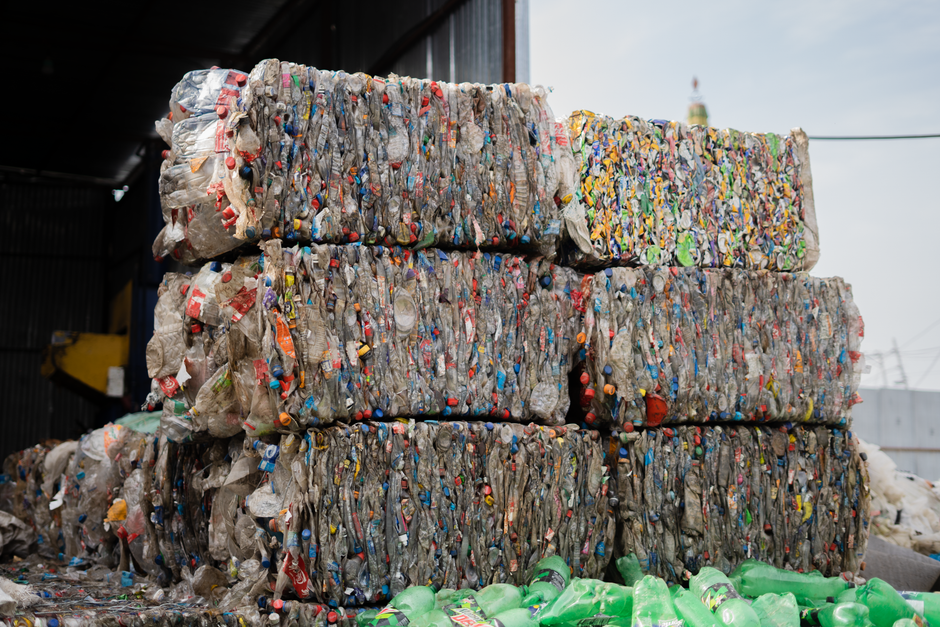
Featured image — Photo: John Loo / CC BY 2.0, via Wikimedia Commons
Frequently Asked Questions
What was the biggest packaging industry news this week?
California Governor Newsom vetoed SB 1180, which would have changed spending rules for the $5 billion Plastic Pollution Mitigation Fund under SB 54. Separately, wholesalers appealed the ruling that upheld Oregon’s EPR law.
Is Oregon’s packaging EPR law still in effect?
Yes. A federal judge upheld the law in August 2026. The National Association of Wholesaler-Distributors has now appealed to the Ninth Circuit, but the program continues while the appeal is pending.
What does California’s SB 633 change for beverage brands?
Beverage makers must report imported postconsumer recycled plastic to CalRecycle with third-party certification by March 1, 2028. Penalties for missing PCR requirements rise from 20 to 30 cents per pound.
What is the PaperFlex consortium?
PaperFlex is an Ellen MacArthur Foundation-backed pre-competitive group developing recyclable and compostable flexible paper packaging. Its members include Unilever, Nestlé, PepsiCo, P&G, Colgate-Palmolive and Mars.
When is the UK pEPR reporting deadline?
UK producers must report under the packaging EPR scheme by October 1, 2026. Fees range from about £1,000 to £5 million, depending on volume and recyclability ratings.