
Pouches and bags have become one of the fastest-growing packaging formats across food, personal care, pharmaceutical, and industrial markets. Lightweight, adaptable, and cost-efficient, flexible packaging offers brands a way to reduce material usage while improving shelf presence and convenience.
This guide explains what pouches and bags packaging is, the most common formats and materials, where flexible packaging performs best, and how to choose the right supplier for your product.
What Is Pouches & Bags Packaging?
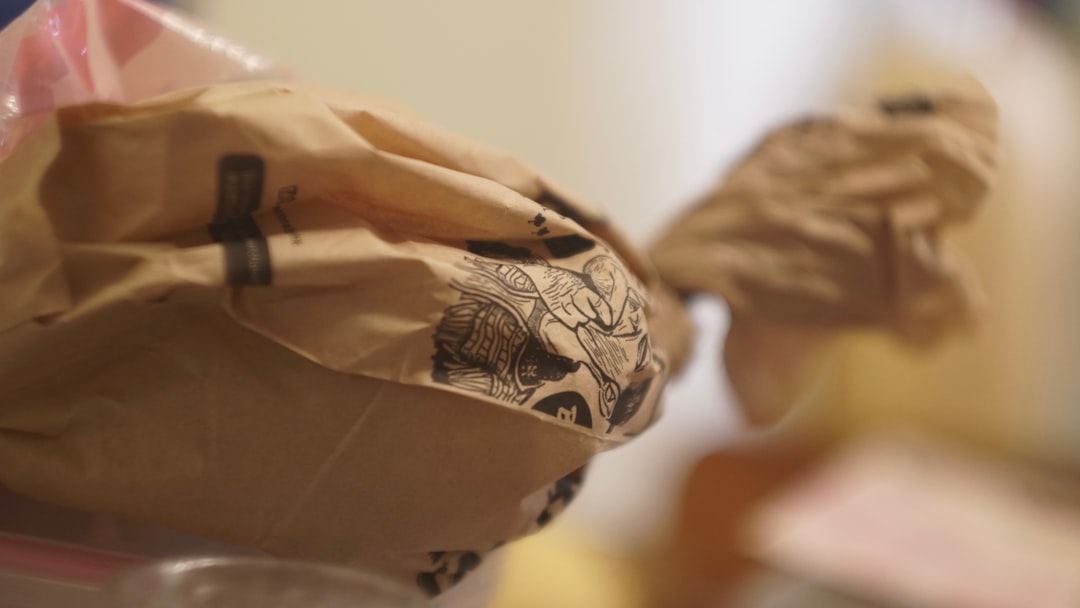
Pouches and bags packaging refers to flexible packaging formats made from plastic films, paper, foil, or layered materials. Unlike rigid containers, flexible packaging conforms to the shape of the product and often uses less material while still providing strong barrier protection.
Flexible packaging is commonly used for products that benefit from lightweight construction, resealability, and efficient shipping.
Common Types of Pouches & Bags
Different pouch and bag formats serve different product needs.
Stand Up Pouches
Stand up pouches feature bottom gussets that allow them to stand upright on shelves. They are widely used for food, beverages, supplements, and personal care products.
Flat Pouches
Flat pouches are sealed on multiple sides and are often used for single-serve, sample-size, or portion-controlled products.
Gusseted Bags
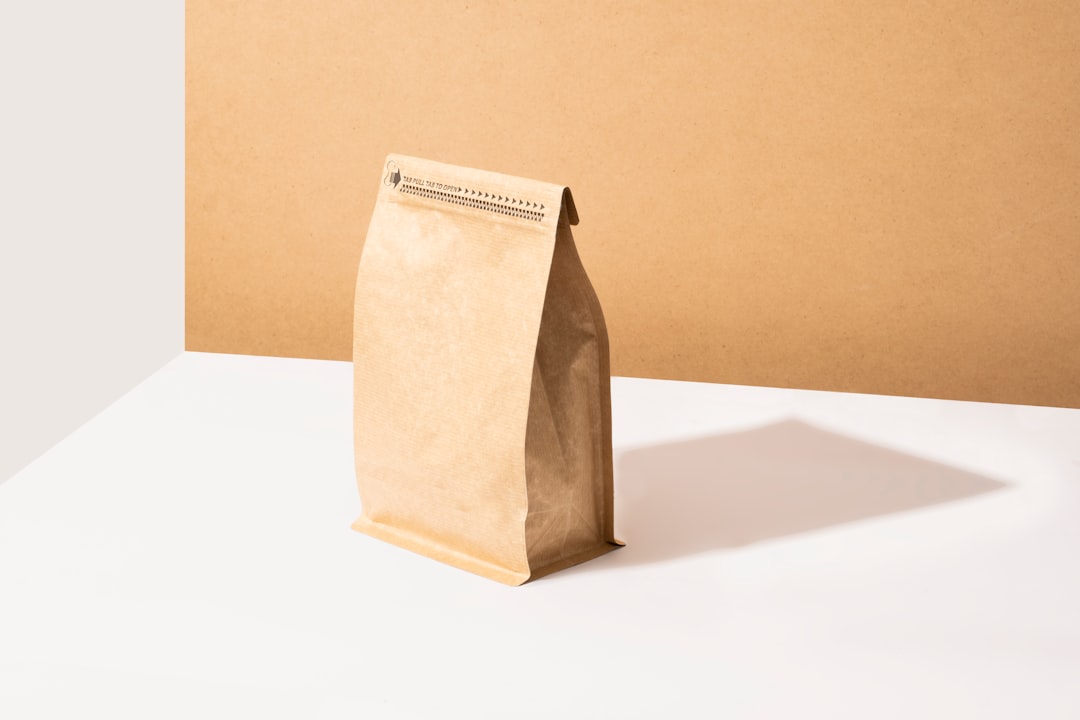
Side or bottom gusseted bags expand to hold larger volumes and are commonly used for bulk food, pet food, and industrial products.
Spouted Pouches
Spouted pouches include a built-in dispensing spout and are used for liquids, sauces, detergents, and refill products.
Resealable Bags
Zippers, sliders, and press-to-close features allow bags to be resealed, extending product freshness and improving convenience.
Materials Used in Pouches & Bags Packaging
Material selection determines barrier performance, durability, and sustainability.
Plastic Films
Common materials include polyethylene (PE), polypropylene (PP), and polyester (PET). These films provide flexibility, strength, and moisture resistance.
Foil and Metallized Layers
Foil layers improve barrier protection against oxygen, light, and moisture, making them ideal for sensitive products.
Paper-Based Laminates
Paper is often combined with plastic or foil layers to improve sustainability perception while maintaining performance.
Multi-Layer Structures
Many flexible packaging pouches use layered constructions to balance protection, strength, and print quality.
Industries That Use Pouches & Bags Packaging
Flexible packaging is used across a wide range of markets.
Food & Beverage
Snack foods, coffee, frozen foods, sauces, and dry ingredients frequently use pouches and bags for freshness and shelf appeal.
Pet Food & Animal Care
Stand up pouches and gusseted bags are common for treats, supplements, and specialty feeds.
Personal Care & Household Products
Refill pouches, wipes, and detergents use flexible packaging for convenience and reduced plastic usage.
Pharmaceuticals & Supplements
Powders, tablets, and single-dose products often rely on flexible packaging for portability and protection.
Industrial & Commercial Products
Bulk materials, hardware, and specialty components use bags for efficient transport and storage.
Benefits of Pouches & Bags Packaging
Flexible packaging offers several key advantages.
Lightweight and Space Efficient
Pouches and bags reduce shipping weight and take up less storage space than rigid containers.
Strong Shelf Impact
High-quality printing and modern designs help products stand out in retail environments.
Resealability and Convenience
Zippers and spouts improve usability and extend product freshness.
Material Reduction
Flexible packaging typically uses less material, supporting sustainability initiatives.
Limitations and Considerations
Despite its advantages, flexible packaging isn’t suitable for every application.
- Limited rigidity for stacking without secondary packaging
- Recycling challenges for multi-layer materials
- Potential puncture risk for sharp or heavy products
- Compatibility testing required for certain formulations
Understanding these trade-offs helps ensure proper packaging selection.
Customization Options for Pouches & Bags
Flexible packaging is highly customizable.
Size and Format
Pouches and bags can be produced in a wide range of sizes and volumes.
Printing and Graphics
Digital and flexographic printing support vibrant branding and short or long production runs.
Closures and Features
Options include zippers, spouts, tear notches, handles, and hang holes.
Finishes and Effects
Matte, gloss, soft-touch, and metallic finishes enhance shelf appeal.
Regulations and Compliance
Pouches and bags may need to meet regulatory requirements depending on use.
- FDA compliance for food and pharmaceutical packaging
- Material safety and migration standards
- Labeling and traceability requirements
Working with experienced suppliers helps ensure compliance across markets.
How to Choose a Pouches & Bags Supplier
Selecting the right supplier is critical for quality and scalability.
Material and Barrier Expertise
Suppliers should understand shelf-life requirements and product compatibility.
Printing and Quality Control
Consistent print quality and seal integrity are essential.
Minimum Order Quantities
MOQs vary based on materials, printing method, and customization level.
Lead Times and Reliability
Reliable production schedules support product launches and growth.
Trends in Pouches & Bags Packaging
Flexible packaging continues to evolve rapidly.
- Increased demand for recyclable and mono-material pouches
- Growth in refill and reuse pouch formats
- Premium finishes paired with minimalist design
- Expansion of stand up pouches across new product categories
These trends highlight the growing role of flexible packaging in modern branding and logistics.
Learn more
If you’re evaluating packaging options that prioritize flexibility, convenience, and shelf appeal, exploring related container formats can help determine whether pouches and bags are the right solution for your product.
Explore more packaging solutions
Browse our full collection of packaging product guides to learn more about bottles, cartons, labels, and other solutions used across food, personal care, pharmaceutical, and industrial markets.
1 thought on “Pouches and Bags Packaging: Flexible Solutions Explained”