
Pharmaceutical packaging requirements govern how medications are contained, protected, labeled, and delivered to patients. Unlike consumer goods packaging where a failure means a dented box, pharmaceutical packaging failures can directly endanger human health. Contaminated tablets, degraded biologics, or mislabeled dosages carry consequences that make regulatory compliance an absolute baseline requirement.
The pharmaceutical packaging market exceeds $120 billion globally, driven by increasingly complex drug formulations, aging populations, and stringent regulatory frameworks. The FDA’s Code of Federal Regulations Title 21 establishes the foundation for pharmaceutical packaging requirements in the United States, while ICH guidelines harmonize standards internationally. Every brand, contract packager, and packaging supplier involved in pharmaceutical packaging must understand these eight regulatory pillars.

1. Current Good Manufacturing Practice (cGMP) Compliance
The FDA’s cGMP regulations under 21 CFR Parts 210 and 211 establish the minimum requirements for pharmaceutical manufacturing and packaging. These aren’t suggestions. They carry the force of law, and violations result in warning letters, consent decrees, or facility shutdowns.
For packaging operations, cGMP requirements include:
- Documented procedures for every packaging operation, including line setup, in-process checks, line clearance, and reconciliation
- Environmental controls maintaining temperature, humidity, and particulate levels appropriate to the product
- Equipment qualification proving that packaging machinery performs consistently within validated parameters
- Personnel training with documented competency assessments for all operators and inspectors
- Record retention of batch packaging records for at least one year past product expiration
Pharmaceutical packaging requirements under cGMP extend to packaging suppliers who must provide certificates of analysis, maintain material traceability, and undergo periodic audits by their pharmaceutical customers.
2. Container Closure System Validation
The FDA expects pharmaceutical companies to demonstrate that their container closure system protects the drug product throughout its shelf life. This validation encompasses three domains: protection, compatibility, and safety.
Protection testing verifies that the container closure system provides adequate barriers against moisture, oxygen, light, and microbial ingress. USP Chapter 671 outlines testing methods for container permeation, while USP 1671 provides guidance on selecting appropriate container closure systems.
Compatibility testing ensures that packaging materials don’t interact with the drug product. Extractables and leachables (E&L) studies identify chemicals that migrate from packaging into the drug. Glass delamination, rubber stopper leaching, and plasticizer migration are well-documented compatibility concerns that pharmaceutical packaging requirements explicitly address.
Safety testing confirms that materials meet USP biological reactivity standards. USP Chapters 87 and 88 define in-vitro and in-vivo biological reactivity tests for plastics used in pharmaceutical packaging. These tests screen for cytotoxicity, sensitization, and systemic toxicity.
3. Child-Resistant Packaging (CRP) Requirements
The Poison Prevention Packaging Act (PPPA) administered by the Consumer Product Safety Commission requires child-resistant packaging for most oral prescription drugs and many OTC medications.
Child-resistant packaging must pass standardized testing under 16 CFR 1700.20, which requires:
- Child test panel: 200 children ages 42-51 months must be unable to open the package within 5 minutes. After a demonstration of opening, 80% must still fail
- Senior-friendly test panel: 90% of adults ages 50-70 must be able to open and properly resecure the package within 5 minutes
Meeting both requirements simultaneously, keeping children out while keeping seniors in, is one of the central engineering challenges of pharmaceutical packaging. Push-and-turn closures, squeeze-and-pull mechanisms, and blister packaging with foil-through-push designs all address this dual mandate.
Flow-wrap and unit-dose formats must also comply when packaging covered substances. Pharmaceutical packaging requirements for child resistance apply regardless of the packaging format, including pouches and bags used for powder medications.
4. Tamper-Evident Packaging
The Federal Anti-Tampering Act and FDA regulations under 21 CFR 211.132 require tamper-evident packaging for OTC drugs. Following the 1982 Tylenol poisonings that killed seven people, tamper evidence became a non-negotiable pharmaceutical packaging requirement.
Acceptable tamper-evident features include:
- Shrink bands around closures that must be broken to open
- Induction seals bonded to container openings under the closure
- Breakable caps with bridges that visibly fracture upon first opening
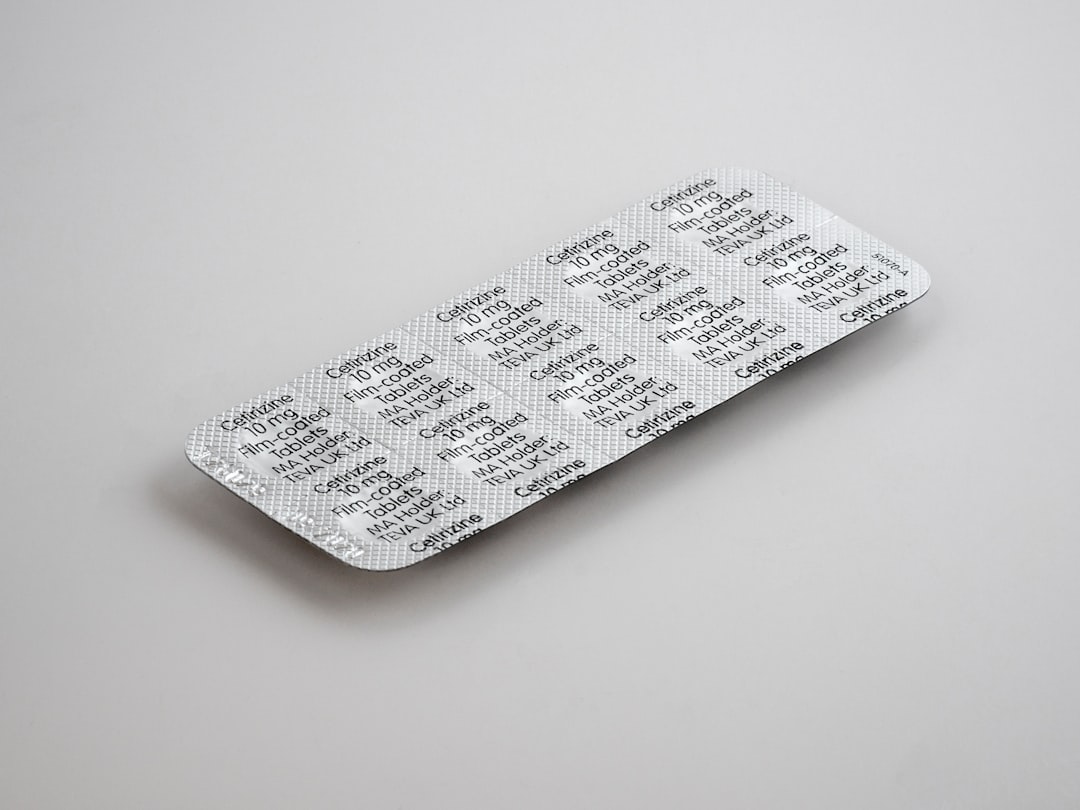
- Sealed blister packs where each dose is individually sealed
- Sealed pouches requiring tearing to access contents
The regulation specifies that the tamper-evident feature must be distinctive by design and cannot be easily duplicated with readily available materials. Additionally, the packaging must include a prominent statement identifying the tamper-evident feature, such as “Do not use if seal under cap is broken.”
5. Serialization and Track-and-Trace (DSCSA)
The Drug Supply Chain Security Act (DSCSA) mandates serialization of pharmaceutical packages at the unit level. Since November 2023, every individual saleable unit must carry a unique serial number encoded in a 2D data matrix barcode.
Pharmaceutical packaging requirements under DSCSA include:
- Unique product identifier containing NDC number, serial number, lot number, and expiration date
- 2D data matrix barcode meeting GS1 standards for machine readability
- Human-readable text displaying the same information adjacent to the barcode
- Verification capabilities allowing trading partners to verify product authenticity
- Transaction documentation accompanying each sale with electronic records
Serialization impacts packaging operations significantly. Printing and verification systems must apply and confirm unique codes at production speeds exceeding 200 units per minute. Aggregation systems must associate unit serial numbers with case and pallet identifiers for logistics tracking.
The infrastructure cost for DSCSA compliance typically runs $500,000-2,000,000 for a single packaging line, making it one of the most capital-intensive pharmaceutical packaging requirements.
6. Labeling Requirements (21 CFR Part 201)
FDA labeling regulations for pharmaceuticals are among the most prescriptive of any pharmaceutical packaging requirements. The Physician Labeling Rule (PLR) and OTC Drug Facts format dictate content, format, and placement down to specific font sizes and section ordering.
Prescription drug labels must include:
- Highlights section with the most important prescribing information
- Full prescribing information organized in 17 standardized sections
- Black box warnings for drugs with serious safety risks
- NDC number in both human-readable and barcode format
OTC Drug Facts panels require specific formatting: active ingredients, purpose, uses, warnings, directions, and inactive ingredients in that exact order, using specific heading sizes and indentation. The readable font size minimum is 6 point.
Quality labels and decoration for pharmaceutical products must maintain legibility throughout shelf life. Ink adhesion, smear resistance, and chemical resistance testing ensure labels remain readable under storage and handling conditions.
7. Stability Testing and Packaging Qualification
ICH Q1A guidelines establish stability testing requirements that directly influence packaging selection. Pharmaceutical companies must demonstrate that their drug product meets specifications throughout its labeled shelf life when stored in the marketed packaging.
Stability study conditions include:
- Long-term: 25 degrees C / 60% RH for 12-36 months
- Intermediate: 30 degrees C / 65% RH for 6-12 months
- Accelerated: 40 degrees C / 75% RH for 6 months
Packaging changes, even seemingly minor ones like switching bottle resin suppliers or modifying desiccant quantities, may require new stability studies. This makes pharmaceutical packaging requirements uniquely rigid compared to other industries. A packaging specification approved through stability testing becomes essentially locked, and changes trigger regulatory submissions.
For temperature-sensitive products like biologics and vaccines, cold chain packaging validation adds another layer. Insulated shippers must maintain 2-8 degrees C for defined durations, validated through thermal profiling studies across seasonal temperature extremes.
8. Environmental and Sustainability Regulations
Pharmaceutical packaging faces growing environmental regulation alongside safety requirements. The EPA’s Resource Conservation and Recovery Act governs packaging waste for hazardous pharmaceutical products, while state-level extended producer responsibility (EPR) laws increasingly require pharmaceutical companies to fund packaging collection and recycling.
The EU’s Packaging and Packaging Waste Regulation (PPWR) sets recycled content minimums and recyclability requirements that affect pharmaceutical packaging entering European markets. However, pharmaceutical packaging requirements for safety often conflict with sustainability goals. Child-resistant, tamper-evident, multi-material packaging is inherently difficult to recycle.
Progressive pharmaceutical companies are addressing this tension through custom packaging solutions that minimize material use while maintaining regulatory compliance. Mono-material blister cavities, paper-based child-resistant cartons, and right-sized secondary packaging reduce environmental impact without compromising patient safety.
Navigating the Regulatory Landscape
Pharmaceutical packaging requirements represent the most complex regulatory environment in the packaging industry. The convergence of FDA drug regulations, CPSC safety standards, DSCSA serialization mandates, and environmental laws creates a compliance challenge that demands specialized expertise.
Brands entering the pharmaceutical space should engage packaging engineers and regulatory affairs professionals early in development. Material selection, structural design, and supplier qualification decisions made in early development stages have regulatory implications that are expensive to reverse later.
Work with suppliers experienced in pharmaceutical packaging who understand cGMP expectations and can provide the documentation, traceability, and quality systems your compliance program requires. Explore qualified pharmaceutical packaging suppliers through the Packaura marketplace to find partners with demonstrated regulatory capabilities.
Frequently Asked Questions
What happens if pharmaceutical packaging doesn’t meet FDA requirements?
Non-compliant pharmaceutical packaging can result in FDA warning letters, product seizure, injunctions, consent decrees, and facility shutdowns. If non-compliant packaging reaches patients and causes harm, criminal prosecution is possible under the Federal Food, Drug, and Cosmetic Act. Voluntary recalls of products with packaging defects cost companies millions in direct costs plus significant brand and market share damage.
Do pharmaceutical packaging requirements differ for prescription versus OTC drugs?
Yes, though both are heavily regulated. Prescription drugs require physician labeling with Highlights and Full Prescribing Information sections, while OTC drugs use the Drug Facts panel format. Child-resistant packaging requirements apply broadly to both but have specific exemptions for certain OTC products. Tamper-evident packaging is explicitly required for OTC drugs under 21 CFR 211.132 but is also standard practice for prescription products.
How long does it take to qualify a new pharmaceutical packaging component?
Qualifying a new pharmaceutical packaging component typically takes 12-24 months. This includes extractables and leachables studies (3-6 months), stability studies in the new packaging (6-12 months at accelerated conditions, 12-36 months for long-term data), biocompatibility testing if applicable, and regulatory submission preparation. Changes to existing approved packaging require prior approval supplements or annual report notifications depending on the change scope.
4 thoughts on “Pharmaceutical Packaging Requirements: 8 Key FDA Regulations”