
Glass container specifications drive product positioning, line speed, and total landed cost across food, beverage, cosmetics, and pharmaceutical categories. From wine bottles to perfume flacons to amber pharma vials, glass remains the substrate of choice when premium positioning, inertness, or oxygen barrier requirements dominate. This guide breaks down the production methods, weight standards, color options, and decoration techniques that brand buyers should master.
Production Methods: IS Machines and NNPB
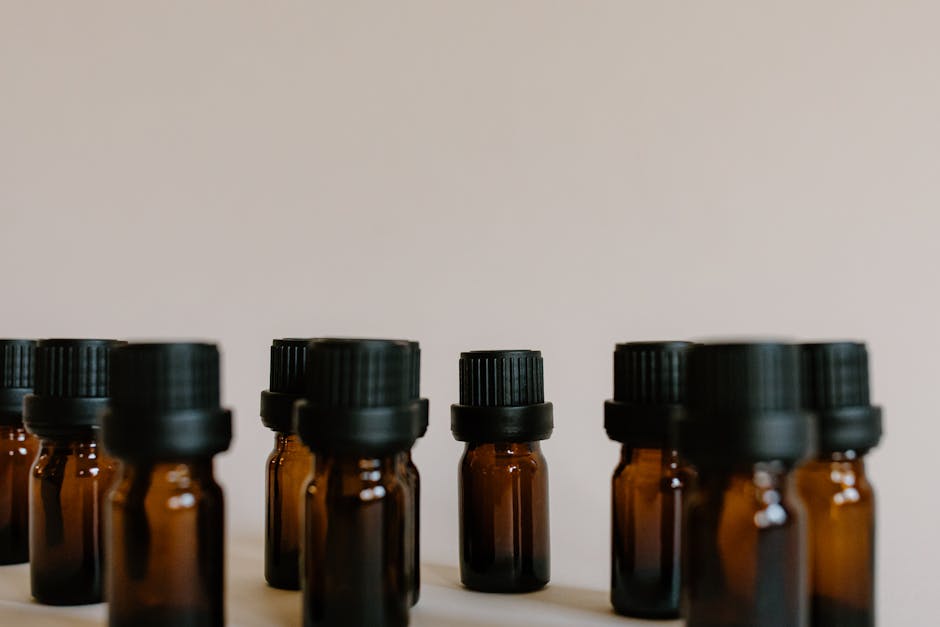
The vast majority of commercial glass containers are produced on individual section (IS) machines using either blow-and-blow (B&B) or press-and-blow (P&B) processes. Narrow-neck press-and-blow (NNPB) is the preferred process for lighter-weight bottles, producing more uniform wall distribution at higher production speeds.
Glass container specifications typically reference production method because it affects weight tolerances, wall thickness uniformity, and minimum order quantities. NNPB lines run 200-450 bottles per minute on standard formats. Glass Packaging Institute publishes industry production standards and sustainability metrics for U.S. glass manufacturing.
Color Options and Functional Implications
Standard glass colors include flint (clear), amber, green (Georgia, Champagne, dead leaf), and cobalt blue. Color selection affects light transmission, with amber blocking nearly all UV light below 450nm — critical for beer, hop oils, and light-sensitive pharmaceuticals.
Custom colors require dedicated furnace runs with high minimum order quantities, often exceeding 1 million units. For low-volume premium brands, post-mold color application via spray coating or shrink sleeves provides color flexibility without furnace commitment. Our pharmaceutical packaging requirements guide details how amber and clear glass support specific drug product categories.
Weight, Light-Weighting, and Carbon Footprint
Glass weight directly correlates to carbon footprint, freight cost, and shelf appeal. A standard 750ml wine bottle weighs 400-600 grams, with premium bottles reaching 900+ grams to signal quality. Light-weighted bordeaux bottles at 360-400 grams reduce CO₂ emissions per bottle by 20-30% while maintaining acceptable shelf presence.
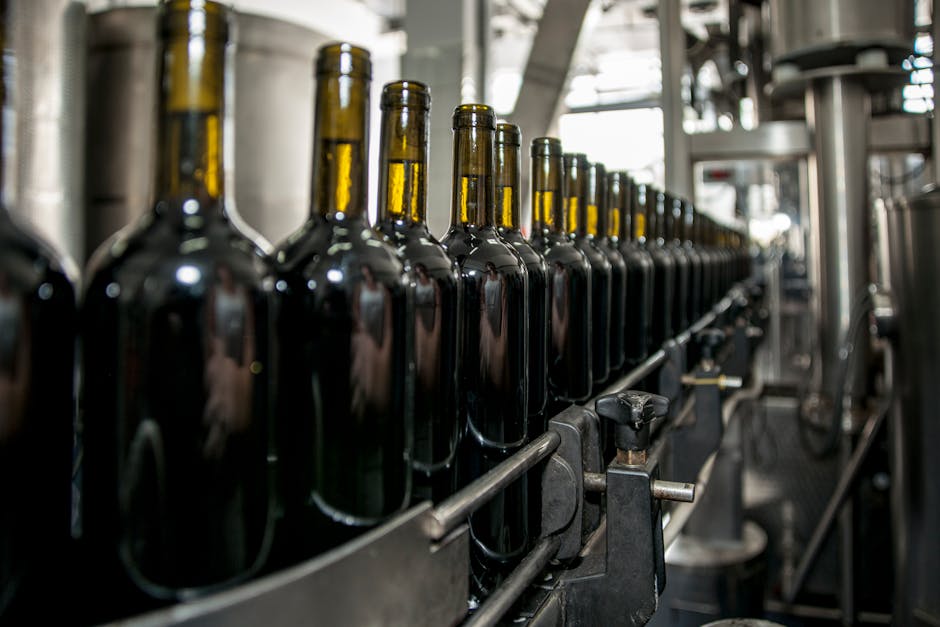
Major glassmakers including Owens-Illinois (O-I), Ardagh, Verallia, and Vidrala publish light-weight bottle ranges that balance sustainability with brand requirements. Packaging Dive tracks light-weighting initiatives across wine, spirits, and food glass categories.
Decoration: ACL, Frosting, Embossing, and Labels
Glass decoration ranges from applied ceramic labels (ACL) for permanent silk-screened graphics to acid-etched frosting for matte effects, deep embossing for tactile brand cues, and pressure-sensitive labels for cost-effective customization.
ACL provides photographic-quality permanent decoration but requires high MOQs and is rarely recyclable in single-stream glass recycling. Pressure-sensitive labels offer low-MOQ flexibility and broader recycling compatibility. For premium spirits, deep embossing combined with metallic ink hot-stamping creates the tactile premium signal that drives shelf attention. Pair these decoration decisions with the framework in our luxury packaging design guide.
Recycled Content and Sustainability Credentials
Glass packaging in the U.S. averages 30-40% recycled content, while European glass averages 50-70% due to mature collection infrastructure. Increasing recycled content (cullet) reduces furnace energy demand by approximately 3% for every 10% cullet added, with proportional CO₂ reductions.
Brands seeking higher recycled content should specify minimum cullet thresholds in supplier agreements and verify with annual material declarations. ISCC PLUS certification provides chain-of-custody documentation for renewable and recycled feedstocks across glass and other packaging materials. Combine these material specs with the broader claim framework in our sustainable packaging certifications explained guide.
Frequently Asked Questions
What is the difference between blow-and-blow and press-and-blow glass production?
Blow-and-blow uses compressed air to form both the parison and final bottle; press-and-blow uses a plunger to form the parison, enabling lighter weights and tighter wall control.
How much UV protection does amber glass provide?
Amber glass blocks nearly all UV light below 450nm, providing critical protection for beer hop oils, vitamins, and light-sensitive pharmaceuticals.
What is the minimum order quantity for custom glass colors?
Custom glass colors typically require 1+ million unit MOQs due to dedicated furnace runs. Post-mold spray coating offers a flexible alternative for lower volumes.
How recyclable are decorated glass containers?
Plain and label-decorated glass recycles in single-stream programs. ACL ceramic-decorated glass and certain inks may complicate recycling, varying by jurisdiction.
What recycled content can glass packaging achieve?
U.S. glass averages 30-40% cullet content; European glass averages 50-70%. Specifying minimum cullet thresholds in supplier agreements drives higher recycled content.