
Bar soap and other solid bath products need packaging that does three jobs at once: protect the bar, look good on a shelf, and say something about the brand. Two of the most common low-cost options are a printed paperboard sleeve (sometimes just a narrow “belly band”) and a heat-shrink plastic band or full shrink wrap.
They solve different problems. A sleeve is really a mini billboard with light protection; a shrink band is a tight, moisture-resistant wrap that can double as tamper evidence. This guide walks through how each works, what they cost to run, and how to decide which one fits your product and your brand story.
Quick Answer
Use a paperboard sleeve or belly band when you want maximum branding real estate, a recyclable/compostable look, and the product is a cured, dry bar (cold-process or hand-milled soap). Use a shrink band when you need a tight moisture barrier, tamper-evidence on shelf, or a wrap that conforms to an irregular shape — but choose the film carefully, since most shrink films, including PETG, aren’t cleanly recyclable in standard household streams.
How Paperboard Sleeves and Belly Bands Work
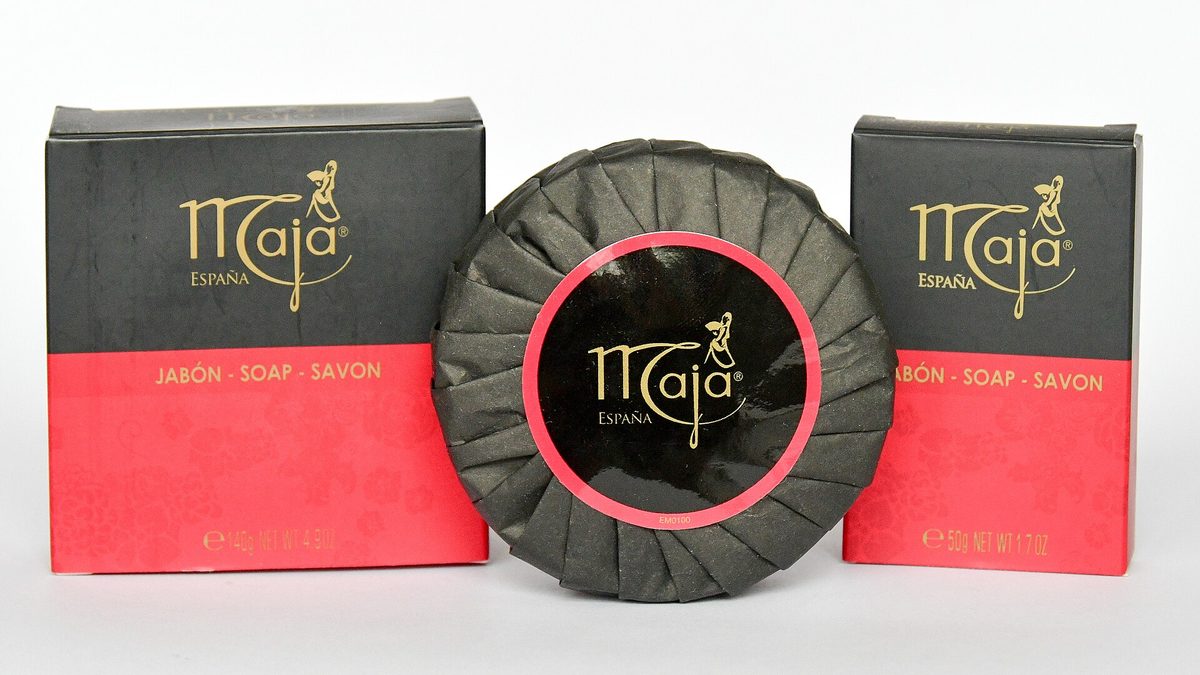
A full sleeve is a printed paperboard tube that slides over the bar and is usually glued or tucked at the seam; a belly band is a narrower strip wrapped around the middle, leaving the ends of the bar visible so shoppers can see color, swirl, or texture. Both are typically die-cut and printed flat, then wrapped by hand or on a simple banding machine, which keeps tooling costs low compared to shrink equipment.
Because paperboard doesn’t seal airtight, sleeves are best suited to soap that’s already fully cured and dry. Soap that’s still releasing moisture — common with fresh cold-process bars or glycerin-heavy melt-and-pour bars — can “sweat” inside a snug sleeve, so many brands leave the sleeve loose, vent the ends, or wait out the cure time before sleeving.
On the branding side, a sleeve gives you a continuous printable surface for ingredient lists, scent notes, and brand story, and kraft or recycled paperboard reinforces a natural/handmade positioning — which matters if that’s the claim you’re making, since the packaging itself becomes part of the sustainability pitch.
How Shrink Bands Work
A shrink band starts as a loose plastic sleeve (often printed) placed around the bar, then run through a heat tunnel or treated with a handheld heat gun so the film contracts tightly against the product’s shape. That tight conformance is the main advantage: it works well on irregular or novelty-shaped bars that a flat paperboard sleeve can’t hug cleanly, and it creates a visible seal that shows if the pack has been opened.
The film matters more than people expect, and recyclability claims here deserve scrutiny. PVC shrink film is the cheapest and easiest to work with — good clarity, low shrink temperature, wide shrink ratio — but it’s chlorine-based and not accepted in curbside recycling at all. PETG is often marketed as the “recyclable” alternative to PVC because it’s chemically related to PET bottles, but in practice PETG doesn’t separate cleanly from PET during the sink/float sorting step at recycling facilities, and its lower melting point lets it stick to and contaminate PET during reprocessing — some states have even redefined PET to specifically exclude PETG for this reason. If a recyclable or low-impact claim matters for your brand, don’t assume any plastic shrink film qualifies; ask the film supplier for documentation, consider certified compostable PLA-based films (which generally need industrial composting, not a home bin), or lean on your paperboard sleeve for the sustainability story instead.
Shrink wrapping also adds an equipment step most home or small-batch soap makers don’t already have: a heat gun works for low volumes, but anything beyond a few dozen units a week usually needs a tabletop shrink tunnel, which is a real line-item cost a paperboard sleeve avoids entirely.
Tips and Common Mistakes
Don’t shrink-wrap or tightly sleeve soap before it’s finished curing — trapped moisture against the bar can cause sweating, soft spots, or mold, especially with cold-process soap in its first several weeks. Give it the full cure time first, or use a vented/loose wrap if you must package early.
If sustainability is part of your brand story, be careful about reaching for a plastic shrink band by default and assuming it’s the “recyclable” choice just because it isn’t PVC — most conventional shrink films, PETG included, aren’t compatible with standard recycling streams and can undercut the message a kraft-paperboard look is otherwise sending. If you want the tight, tamper-evident wrap of a shrink band and a genuine recyclable or compostable claim, verify the specific film with your supplier up front rather than assuming it from the resin name.
With melt-and-pour soap, some fragrance and essential oils can interact with plastic film over time (sometimes called “ghosting” or softening at the contact point), so it’s worth doing a multi-week shelf test with your actual fragrance load before committing to a shrink film for a scented product.
Remember that FDA tamper-evident packaging rules for OTC drugs (21 CFR 211.132) specifically exempt dermatological products, which covers most bar soap — even antibacterial bars. That means a shrink band on soap is a retail/freshness choice, not a legal requirement, so don’t assume you’re out of compliance without one.
Explore more: more packaging material guides.
Paperboard Sleeves vs Shrink Bands for Soap FAQs
Is a paperboard sleeve or a shrink band cheaper for small-batch soap?
At small scale, a hand-wrapped paperboard sleeve or belly band is usually the lower-cost option since it needs no special equipment. Shrink bands look cheap per unit once you’re running a shrink tunnel, but the tunnel or heat-gun setup is an added cost that only pays off at higher volume.
Are shrink bands recyclable?
Generally not through standard curbside recycling. PVC shrink film isn’t accepted at all, and PETG — despite being chemically related to PET — typically fails to separate cleanly from PET bottles during recycling and can contaminate that stream, which is why some regions no longer classify it as recyclable PET. Certified compostable PLA-based shrink films exist but usually require industrial composting rather than a home bin or curbside bin.
Do bar soaps legally need tamper-evident packaging?
No. Under FDA rules (21 CFR 211.132), dermatological OTC products — which includes most bar soap, even antibacterial formulas — are specifically exempt from the tamper-evident packaging requirement. Brands that add a shrink band for tamper evidence are doing it as a retail and freshness choice, not a legal mandate.
Can I put a sleeve on soap right after it’s cut?
It’s better to wait until the bar has finished curing and lost most of its surface moisture. Sleeving or banding soap too early can trap moisture against the bar and lead to sweating or soft spots.
Find the Right Packaging Supplier
Search the free Packaura supplier directory — filter by material, certification, and location to find vetted suppliers. Search the Supplier Directory.
Want packaging news in your inbox? Subscribe to the free newsletter.
Photo: SamBlob / CC BY-SA 3.0, via Wikimedia Commons.