
A desiccant is only as good as the package it’s sealed inside. Drop a silica gel packet into a bag made from the wrong film, and moisture from outside the package will keep leaking in faster than the desiccant can keep up — the desiccant gets used up early, and the product inside is left exposed for the rest of its shelf life.
This guide walks through how moisture barrier materials are rated, the main film and laminate options used in desiccant packaging, and how to match a barrier to your desiccant type and storage conditions so the two actually work together instead of fighting each other.
Quick Answer
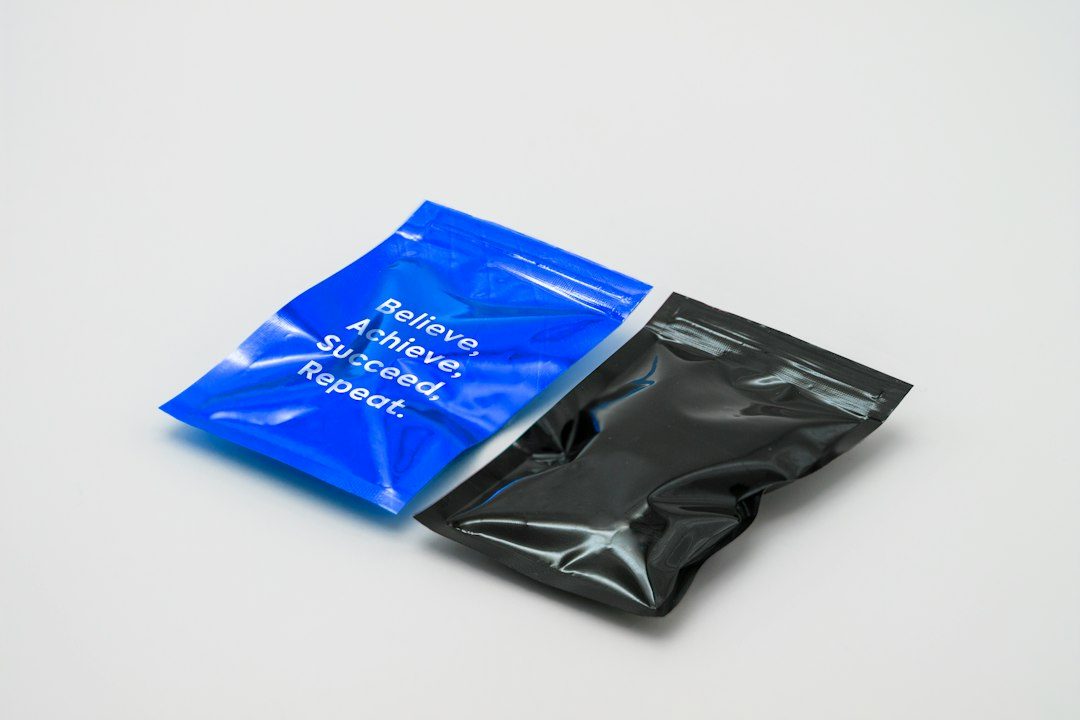
Match the barrier material to how long the package needs to stay dry: foil laminate pouches give the lowest moisture vapor transmission rate (MVTR) and are standard for long-term or sensitive goods (electronics, pharmaceuticals, metal parts); metallized film is a cheaper mid-tier barrier for moderate shelf life; clear plastic films (like polyethylene) are the weakest barrier and should only be used short-term or paired with a larger desiccant load.
What MVTR Actually Means for Your Package
Moisture vapor transmission rate (MVTR, sometimes called WVTR) measures how much water vapor passes through a given area of barrier material over time — the lower the number, the better the barrier. It’s typically tested under standardized lab conditions following methods like ASTM F1249, which measures transmission through a film sample sealed between a humid chamber and a dry chamber.
Every barrier material, even foil laminate, lets some moisture through over time — nothing is a perfect seal. The desiccant’s job is to absorb that trickle of moisture (plus whatever is already trapped inside at the moment of sealing) so the internal humidity stays low. A lower-MVTR barrier means less moisture gets in per day, so a given amount of desiccant lasts longer and the package stays dry longer. A high-MVTR barrier burns through desiccant capacity faster, which is why pairing a weak barrier with a small desiccant packet is a common source of failed shelf-life testing.
Industry barrier standards for moisture-sensitive electronics, such as EIA 583, define barrier performance in bands — a ‘Class 1’ barrier film has a much tighter MVTR limit than lower classes — and these same tiers roughly map onto how packaging engineers in other industries talk about ‘high-barrier’ versus ‘standard-barrier’ film.
Comparing the Main Barrier Material Options
Foil laminate (aluminum foil bonded to a nylon or polyester layer for strength) is the gold standard for moisture barrier. It gives the lowest MVTR of any common flexible packaging material, which is why it’s the default for moisture-sensitive electronic components (per MIL-PRF-131 and related military/aerospace specs), pharmaceuticals, and any product needing a long dry shelf life. The tradeoff is cost and the fact that it’s opaque — you can’t see the product through it.
Metallized film (a thin vacuum-deposited metal layer on a plastic film base) offers a meaningful step up from plain plastic at a lower cost than true foil laminate. It’s a common choice when you need better-than-basic barrier performance but don’t need foil-grade protection, and some metallized constructions can be made translucent.
Clear plastic films — polyethylene (PE), polypropylene (PP), or PET — are the most common packaging materials overall, but they’re the weakest moisture barrier of the group. They’re fine for short shelf life, indoor storage, or products that tolerate some humidity swing, but they shouldn’t be relied on alone for long-term or high-value moisture-sensitive goods.
Static-shielding bags are built primarily for electrostatic discharge (ESD) protection, not moisture control, and that’s an easy mix-up to make since both can look like thin metallized film. Ordinary static-shielding bags use only a thin metal layer and have a comparatively high MVTR, so they should not be assumed to keep moisture out. If a product needs both ESD and moisture protection, look specifically for a bag rated as a moisture barrier bag (MBB) — these use a thicker metallized layer or a foil laminate construction built to meet a defined low-MVTR spec, and some constructions combine static-dissipative properties with that moisture barrier in a single laminate. Otherwise, a sealed moisture barrier bag is typically used as an outer layer over an inner static-shielding bag.
Matching the Barrier to Your Desiccant and Product
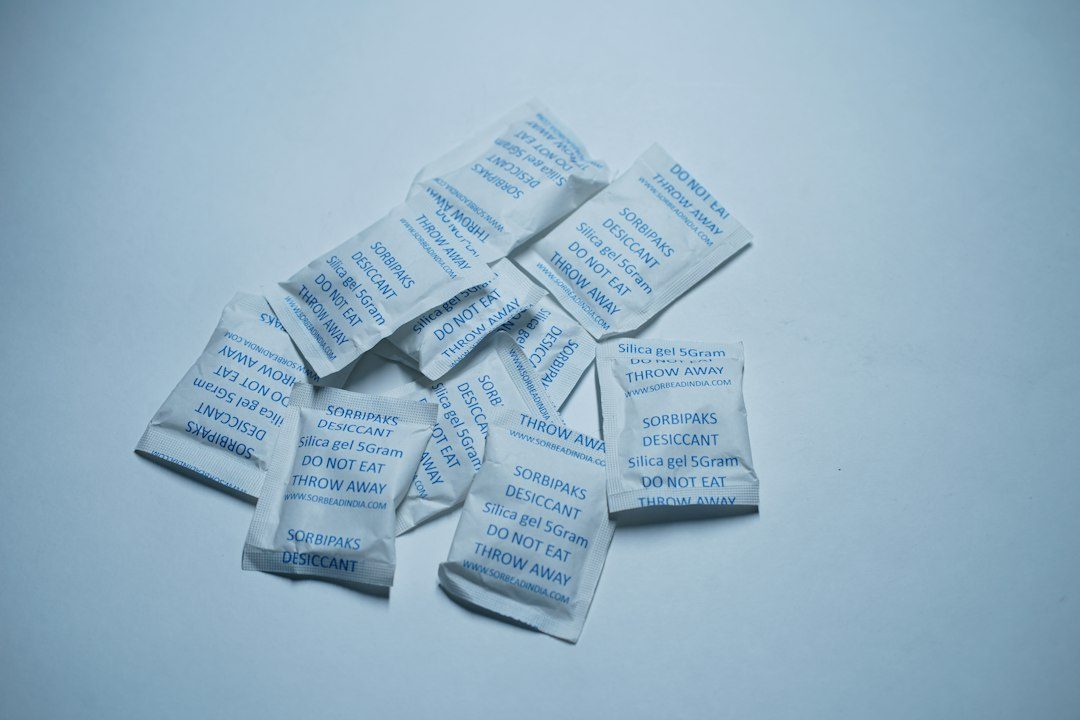
Start with how long the package needs to stay dry and how moisture-sensitive the product is. A product that’s ruined by a small amount of moisture (electronic assemblies, certain pharmaceuticals, hygroscopic powders) warrants foil laminate even if it costs more. A product that just needs to avoid clumping or mild humidity damage for a few weeks in transit can often get by on a well-sealed plastic bag with adequate desiccant.
Desiccant type matters too. Silica gel is the general-purpose choice and works well across normal temperature and humidity ranges. Molecular sieve holds up better at low relative humidity and high temperature, and continues adsorbing moisture even as conditions get difficult — pair it with foil barriers for sealed, long-duration storage. Clay desiccant is inexpensive and effective in normal conditions, and absorbs moisture more gradually, which can be useful when you don’t want a fast initial moisture pull. Calcium oxide has a different profile and is mostly used in dehydrated food packaging rather than electronics or general goods.
As a rule of thumb: the weaker the barrier, the more desiccant capacity you need to compensate, since more moisture is getting in over the shelf life. Shelf-life testing (sealing real product in the real package under controlled humidity and checking a humidity indicator card over time) is the only reliable way to confirm a barrier-plus-desiccant combination actually holds.
Tips / Common Mistakes
Don’t size the desiccant for the product alone — size it for the barrier material’s leak rate over the full intended shelf life, plus the moisture already in the package and any moisture in the product itself.
Don’t mix a high-barrier bag with a poor heat seal. A pinhole or weak seam at the seal line defeats the barrier entirely, no matter how good the film is.
Don’t assume a static-shielding bag is also a moisture barrier, and don’t assume ‘foil-look’ packaging is a true foil laminate. Check the supplier’s actual MVTR spec rather than going by appearance or by what the bag is primarily marketed for.
Use a humidity indicator card inside the package during qualification testing (and for high-value shipments) so you have direct evidence of whether the barrier-and-desiccant combination is holding, instead of relying on assumptions.
Explore more: Explore more packaging materials guides.
Moisture barrier materials for desiccant packaging FAQs
What is the best moisture barrier material for desiccant packaging?
Foil laminate (aluminum foil bonded to a support layer like nylon) gives the lowest moisture vapor transmission rate of common flexible packaging materials, making it the standard choice for long-term or highly moisture-sensitive products. Metallized film and plastic films are lower-cost options suited to shorter shelf life or less sensitive products.
What does MVTR mean in packaging?
MVTR (moisture vapor transmission rate) measures how much water vapor passes through a barrier material over a set time and area, usually measured by methods like ASTM F1249. A lower MVTR means a better barrier, which lets a given desiccant load keep a package dry for longer.
Can I use a regular plastic bag with desiccant instead of a foil bag?
Yes, for short-term storage or products that aren’t highly moisture-sensitive, a well-sealed plastic film bag with adequate desiccant can work. For long shelf life or sensitive goods like electronics or pharmaceuticals, a plastic bag’s higher MVTR generally makes a foil laminate or metallized barrier the safer choice.
Is a static-shielding bag also a moisture barrier bag?
Not automatically. Standard static-shielding bags are designed for ESD protection and typically have a thin metal layer with a relatively high MVTR, so they shouldn’t be relied on to keep out moisture. For moisture-sensitive electronics that also need ESD protection, use a bag specifically rated as a moisture barrier bag, which may combine a thicker metallized or foil layer with static-dissipative properties, or nest a static-shielding bag inside a true moisture barrier bag.
Find the Right Packaging Supplier
Search the free Packaura supplier directory — filter by material, certification, and location to find vetted suppliers. Search the Supplier Directory.
Want packaging news in your inbox? Subscribe to the free newsletter.
Photo by Brando Makes Branding on Unsplash.