Private label packaging is the secret weapon behind some of the fastest-growing consumer brands in 2026. From skincare lines sold on Amazon to specialty food brands filling boutique grocery shelves, private label products now account for over 20% of all U.S. retail sales — and that number climbs every year. The difference between a private label product that sells and one that collects dust? The packaging.
Whether you’re creating your first product or expanding an existing line, this guide walks you through every step of the private label packaging process — from initial design concept to finding the right supplier and getting your product on shelves.
What Is Private Label Packaging?
Private label packaging is custom-branded packaging for products manufactured by a third party but sold under your own brand name. You don’t make the product — you brand it, market it, and own the customer relationship.
Common private label packaging categories include:
- Beauty and skincare — serums, moisturizers, and cosmetics in branded bottles, jars, and tubes
- Food and beverage — sauces, snacks, coffee, and drinks in custom-labeled containers
- Health and supplements — vitamins and supplements in branded vials and bottles
- Home and cleaning — cleaning products and candles in private label spray bottles and pumps
- Pet products — treats, supplements, and grooming items under your brand
The product inside might be identical to competitors’. Your private label packaging is what makes customers choose yours.
Step 1: Define Your Private Label Packaging Strategy
Before you sketch a single design or contact a supplier, nail down your packaging strategy. This foundation determines every decision that follows.
Know Your Target Customer
Private label packaging must speak directly to your ideal buyer. Ask yourself:
- Who is buying this? — age, income level, lifestyle, values
- Where will they see it? — online marketplace, retail shelf, subscription box, farmers market
- What do they care about? — premium quality, eco-friendliness, affordability, convenience
- What competing products sit next to yours? — your packaging must stand out in context
Choose Your Positioning
Your private label packaging communicates your brand tier instantly:
- Budget/value — clean, simple design with clear product information. Think generic white labels with bold text
- Mid-market — professional design with brand colors, quality printing, and good materials
- Premium/luxury — heavy substrates, special finishes like foil stamping or soft-touch coating, minimalist design with strong brand presence
- Natural/organic — kraft materials, earth tones, eco-friendly packaging, sustainability certifications prominently displayed
Define Your Budget Per Unit
Set a realistic private label packaging budget before you start designing features you can’t afford:
- Budget tier — $0.25 to $1.00 per unit (labels on stock containers)
- Mid-market — $1.00 to $4.00 per unit (custom printed packaging)
- Premium — $4.00 to $15.00+ per unit (custom shapes, premium finishes, rigid boxes)
Step 2: Design Private Label Packaging That Sells
Great private label packaging design balances brand identity, regulatory compliance, and shelf appeal. Here’s how to get it right:
Essential Design Elements
Every piece of private label packaging needs:
- Brand logo — prominently placed, consistent across all products
- Product name — clear and readable from arm’s length
- Key benefits — 2-3 selling points visible on the front panel
- Required information — ingredients, weight/volume, barcodes, regulatory statements
- Visual hierarchy — guide the customer’s eye from brand → product → benefits → details
Design Mistakes That Kill Sales
Avoid these common private label packaging design errors:
- Too much text on the front — cluttered packaging gets ignored
- Illegible fonts — if customers can’t read it at shelf distance, they won’t pick it up
- Inconsistent branding — every product in your line should look like it belongs together
- Ignoring the back panel — this is where you tell your brand story and build trust
- Copying competitors too closely — differentiation is the whole point of private label packaging
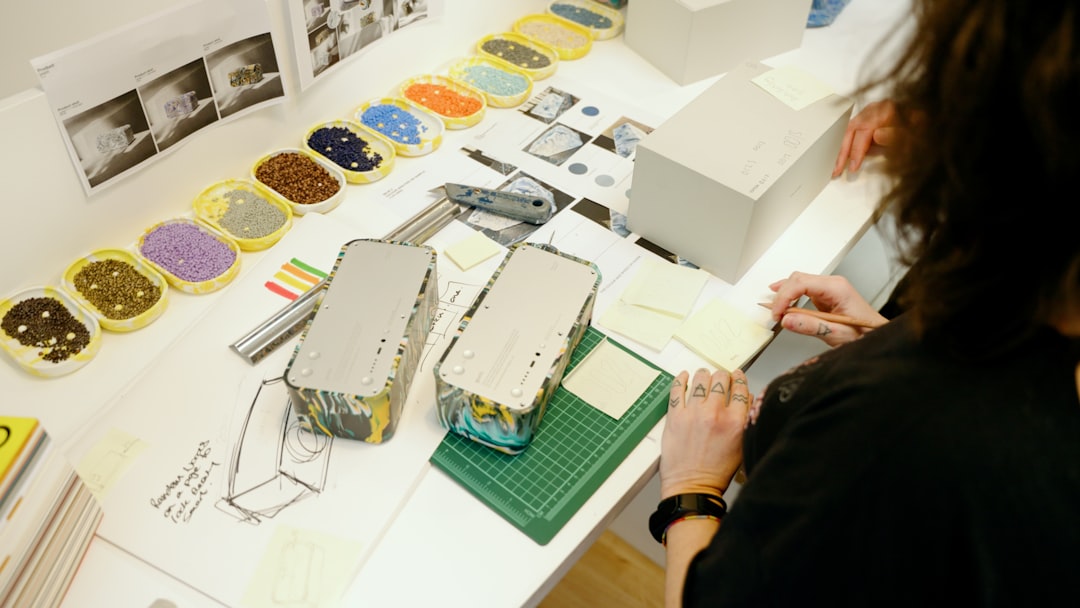
Working With Designers
You have three options for private label packaging design:
- Freelance designers — $200 to $2,000 per packaging design on platforms like Fiverr or 99designs
- Design agencies — $2,000 to $10,000+ for comprehensive brand packaging systems
- Supplier in-house design — many packaging suppliers offer basic design services, sometimes free with a production order
Step 3: Source Your Private Label Packaging
Sourcing is where your private label packaging vision becomes reality. The right supplier makes everything easier — the wrong one creates months of frustration.
Finding Private Label Packaging Suppliers
Start your supplier search with these approaches:
- Packaging marketplaces — Packaura connects you with suppliers filtered by packaging type, material, MOQ, and capability
- Trade shows — events like Pack Expo, Cosmoprof, and Natural Products Expo feature hundreds of private label packaging suppliers
- Manufacturer directories — ThomasNet and industry-specific directories list packaging manufacturers
- Referrals — other brand owners in non-competing categories are often happy to share supplier contacts
Private Label Packaging Supplier Checklist
Evaluate every potential supplier against these criteria:
- MOQ alignment — can they produce at your current volume?
- Material expertise — do they specialize in your packaging type?
- Printing capabilities — digital for short runs, offset or flexo for larger volumes
- Customization options — finishes, closures, inserts, and special features
- Certifications — FDA compliance, ISO, BRC, or other relevant standards
- Sample availability — never commit without physical samples
- Scalability — can they grow with you from 500 to 50,000 units?
Stock vs. Custom Private Label Packaging
For most brands starting out, the smartest approach to private label packaging is a hybrid:
- Stock containers — choose standard bottles, jars, tubes, or boxes from supplier catalogs
- Custom labels and printing — apply your unique brand design to stock packaging
- Custom closures — upgrade caps, pumps, or sprayers for a more premium feel
This approach keeps MOQs low, eliminates tooling costs, and gets your product to market faster. Graduate to fully custom private label packaging once your sales justify the investment.
Step 4: Navigate Private Label Packaging Regulations
Private label packaging must comply with regulations specific to your product category and target markets:
Product Category Requirements
- Food and beverage — FDA nutrition facts panel, allergen declarations, net weight, ingredient lists in descending order
- Cosmetics and skincare — FDA cosmetic labeling requirements, ingredient lists using INCI nomenclature
- Supplements — FDA Supplement Facts panel, required disclaimers, GMP facility requirements
- Household products — EPA registration for certain claims, safety data requirements
Labeling Requirements
Regardless of product category, most private label packaging requires:
- Company name and address — your legal business name and contact
- Country of origin — “Made in USA,” “Product of Italy,” etc.
- UPC/barcode — required for retail distribution
- Lot codes and expiration dates — for traceability and consumer safety
- Recyclability symbols — increasingly required, especially for EU markets
International Considerations
Selling private label products internationally adds layers of complexity. EU markets require multilingual labels, CE marking for certain products, and compliance with PPWR sustainability requirements. Research each target market’s specific private label packaging regulations before you design — redesigning labels after production is expensive.
Step 5: Launch and Iterate Your Private Label Packaging
Your first private label packaging run is just the beginning. Smart brands treat packaging as an evolving asset, not a one-time decision.
Pre-Launch Checklist
- Proof every detail — spelling, barcodes, regulatory text, color accuracy
- Test packaging functionality — does it protect the product? Is it easy to open, close, and store?
- Photograph your packaging — invest in quality product photography for your listings and marketing
- Create unboxing content — film the unboxing experience for social media marketing
- Set up reorder triggers — know your lead times and set reorder points so you never run out of stock
Post-Launch Optimization
After your private label packaging hits the market, pay attention to:
- Customer feedback — what do reviews say about your packaging? Common complaints reveal easy wins
- Return and damage rates — if products arrive damaged, your packaging needs engineering improvements
- Competitor evolution — how are competing private label brands updating their packaging?
- Cost optimization — as volumes grow, renegotiate pricing and explore more cost-effective materials or suppliers
- Sustainability upgrades — consumers increasingly favor brands that improve their packaging sustainability over time. Platforms like Packaura help you discover sustainable alternatives as your brand matures
Private Label Packaging Is Your Brand’s Competitive Edge
Private label packaging transforms a generic manufactured product into YOUR brand — your story, your values, your customer relationship. The brands that invest thoughtfully in private label packaging design, sourcing, and compliance build lasting businesses that command premium prices and loyal customers.
The tools and suppliers available in 2026 make it easier than ever to create professional private label packaging at any budget and volume. Start with stock packaging and custom labels, validate with your market, then scale into fully custom private label packaging as your brand grows.
Your product might be similar to the competition. Your packaging is how you win.
Frequently Asked Questions
How do I create my own product packaging?
Start by defining your brand positioning and target customer. Design your packaging with a freelance designer or agency, then source containers and printing from packaging suppliers. For the most cost-effective start, use stock containers with custom labels. Platforms like Packaura help you find and compare private label packaging suppliers by type, MOQ, and capability.
How much does private label packaging cost?
Private label packaging costs range from $0.25 to $15+ per unit depending on your approach. Custom labels on stock containers cost $0.25-$1.00 per unit. Custom printed packaging runs $1.00-$4.00 per unit. Premium packaging with special finishes and custom molds can exceed $15.00 per unit. Always factor in tooling, setup fees, and shipping.
What is the minimum order for private label packaging?
Minimum orders vary by packaging type and supplier. Custom labels can start as low as 25-100 units. Stock containers with custom printing typically require 500-2,000 units. Fully custom molded packaging usually starts at 3,000-10,000 units. Starting with stock packaging and custom labels gives you the lowest entry point.
Do I need FDA approval for my private label packaging?
The FDA does not approve packaging directly, but your packaging must comply with FDA regulations for your product category. Food, beverage, supplement, and cosmetic packaging must use FDA-compliant food contact materials and meet specific labeling requirements. Your packaging supplier should provide compliance documentation for their materials.
What’s the difference between private label and white label packaging?
White label products use completely generic packaging that multiple brands share — you just add your logo. Private label packaging is custom-designed specifically for your brand with unique design elements, messaging, and positioning. Private label packaging costs more but creates stronger brand differentiation and customer loyalty.