If you’re sourcing or specifying plant packaging, the three biodegradable nursery pot materials you’ll run into most are peat, coconut coir, and molded (pulp) fiber. Each is marketed as an eco-friendly alternative to plastic, but they behave very differently once they’re filled with substrate and exposed to weeks of watering.
This guide breaks down how each material performs in practice — moisture handling, structural durability, how fast it actually breaks down, and the environmental trade-offs behind each one — so you can match the pot to the crop, the growing season, and your sustainability goals rather than just the marketing claims on the bag.
Quick Answer
Molded fiber pots generally hold up best structurally and support strong root growth, peat pots are convenient but raise sourcing and sustainability concerns, and coir pots drain well but are prone to surface mold and discoloration in humid conditions, plus they tend to decompose the slowest of the three. There’s no single winner — the right choice depends on how long the crop needs to stay potted, how it will be watered, and how humid the growing environment is.
How Each Material Performs
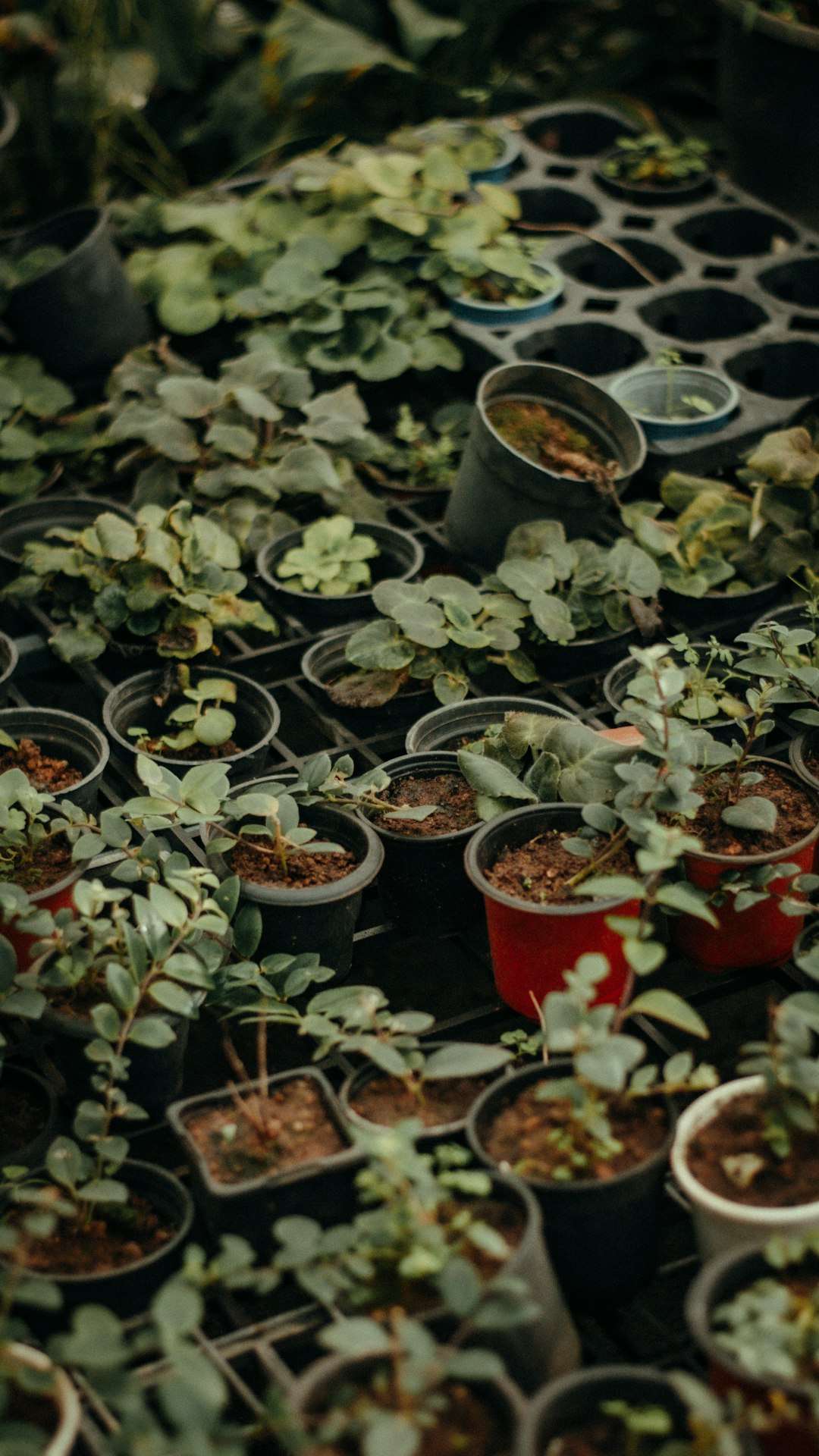
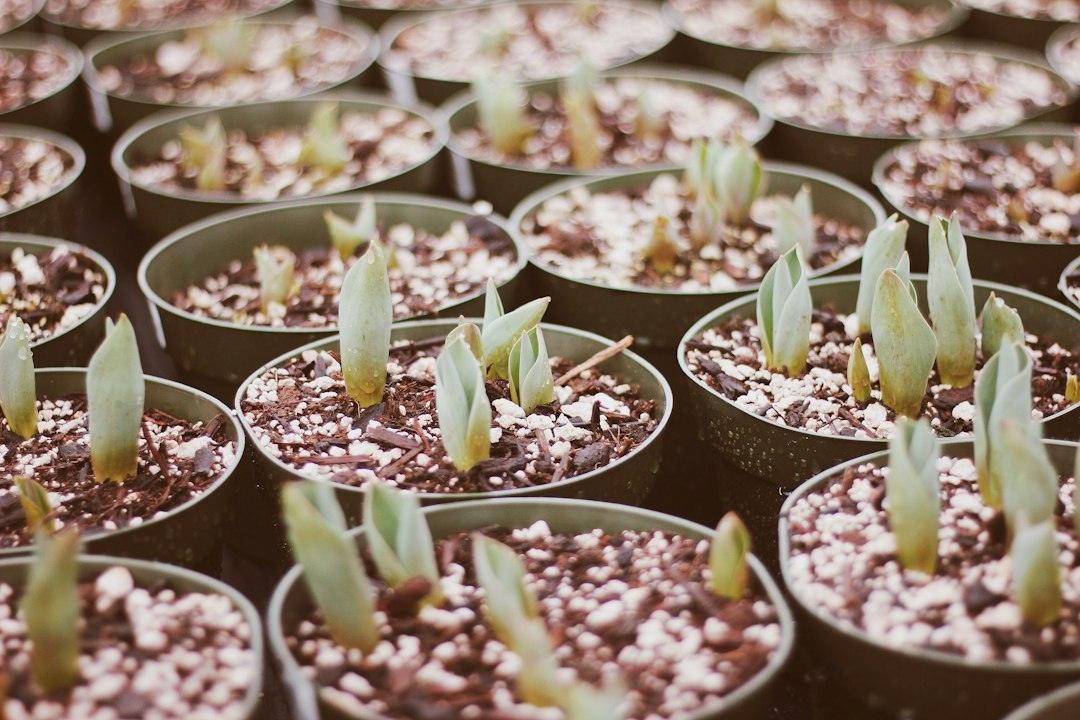
Peat pots are pressed from sphagnum peat and typically hold their shape for roughly six to eight weeks, which is enough time for most seedlings to be ready for transplant. The trade-off is that peat pots can wick moisture away from the surrounding growing medium, so plants may need closer watering attention than in plastic. The bigger issue is upstream: sphagnum peat bogs take thousands of years to form and store large amounts of carbon, and harvesting them releases that carbon while damaging habitat that’s slow to recover — soil scientists estimate it can take decades for a harvested bog to stop releasing carbon. That environmental cost is the main reason growers look for peat alternatives in the first place.
Coconut coir pots are made from coconut husk fiber, a byproduct of the coconut industry. They tend to drain faster than peat, but trial data tells a more complicated story on humidity: in one multi-container trial, coir pots stayed structurally intact but became heavily discolored by surface molds, so coir is not the safer bet for mold-prone, high-humidity greenhouse setups it’s sometimes marketed as. Durability runs the other direction: coir is high in lignin, and trial data shows coir containers break down more slowly than most other biodegradable options — often taking well over a single growing season, especially in cooler or drier conditions. Thick-walled coir pots can also make it harder for roots to push through into the surrounding soil at transplant time, which partly defeats the purpose of a biodegradable pot.
Molded (pulp) fiber pots are pressed from recycled paper or wood fiber pulp. In trial comparisons, fiber pots have produced some of the strongest root growth among biodegradable containers and offer a rigid structure without added glue in many formulations — though some hot-pressed fiber pots do use binders like wax, resin, or latex to improve strength, so it’s worth checking a specific product’s materials if full compostability matters. Breakdown rates vary by formulation: some fiber, straw, and peat-based pots only partially decompose by the end of a single season, while manure-based blends break down much more completely. Western Pulp Products, a long-running Oregon manufacturer, is a commonly cited commercial source for nursery-grade molded fiber containers.
Choosing by Crop, Watering & Compostability
For fast-turnaround seedlings that will be transplanted within a few weeks, peat or molded fiber are both reasonable — they hold shape long enough and don’t require special handling. For crops grown in a humid greenhouse where surface mold and cosmetic appearance matter, molded fiber or peat are generally the safer choice, since coir’s mold and discoloration issues tend to show up most in high-humidity conditions. Coir can still work well for longer-held crops in drier growing environments, as long as you’re prepared for a thicker pot wall and slower eventual breakdown.
If avoiding peat extraction is a priority — some regions have moved to restrict retail peat sales specifically because of the climate and habitat impact of bog harvesting — coir and molded fiber are the more defensible choices, though coir still carries a transport footprint since it’s typically shipped from tropical coconut-producing regions. Molded fiber made from recycled paper has the shortest supply chain story in most cases, since recovered paper stock is widely available domestically.
Whichever material you choose, plan to plant the pot directly in the ground or a larger container rather than peeling it off — all three materials are designed to break down in soil, not to be removed cleanly like a plastic pot.
Tips / Common Mistakes
Don’t assume ‘biodegradable’ means ‘fast to break down’ — coir in particular can persist for a full season or more, so score or tear the walls at transplant time if you’re worried about roots getting stuck. Also don’t assume coir resists mold — surface mold and discoloration on coir pots are common in humid conditions; it’s usually cosmetic rather than harmful to the plant, but it can make pots look unsightly on a retail shelf or in a damp greenhouse. Watch peat pots for over-drying, since the pot material itself can pull moisture from the root zone, especially in small sizes or warm conditions. If a molded fiber pot feels unusually rigid or has a slightly waxy texture, check whether it’s treated with a water-resistant coating — those versions last longer on the shelf but may not break down as readily once planted. Finally, if sustainability claims matter for your packaging decisions, look for third-party compostability certification (such as a BPI mark) rather than relying on ‘biodegradable’ alone, since that word isn’t regulated the same way.
Explore more: more packaging material comparisons.
Biodegradable Nursery Pots FAQs
Which biodegradable nursery pot breaks down fastest?
It varies by formulation, but manure- and straw-blend fiber pots tend to break down fastest, while coconut coir — due to its high lignin content — is typically the slowest of the three to decompose.
Can I plant peat, coir, or fiber pots directly in the ground?
Yes, all three are designed for this. It helps to tear or score the sides first, especially with coir, so roots can push through more easily during the pot’s breakdown period.
Are coir pots more eco-friendly than peat pots?
Coir avoids the carbon release and habitat damage associated with harvesting peat bogs, but it has its own footprint from being shipped long distances from coconut-producing regions, so the better choice depends on which trade-off matters more to you.
Find the Right Packaging Supplier
Search the free Packaura supplier directory — filter by material, certification, and location to find vetted suppliers. Search the Supplier Directory.
Want packaging news in your inbox? Subscribe to the free newsletter.
Photo by Sarath P Raj on Unsplash.