
If a buyer at Walmart, Costco, Target, or a regional grocery chain has ever told you your packaging needs to be “retail-ready,” you’ve probably found the term easy to hear and hard to pin down. It’s not a single spec sheet — it’s a set of structural and labeling expectations that let store staff move a case straight from the truck to the shelf without repacking anything by hand.
This guide breaks down what retail-ready packaging (RRP) actually requires, what it typically costs to design and produce, and how small and mid-size brands source it without getting hit with compliance chargebacks on their first shipment.
Quick Answer
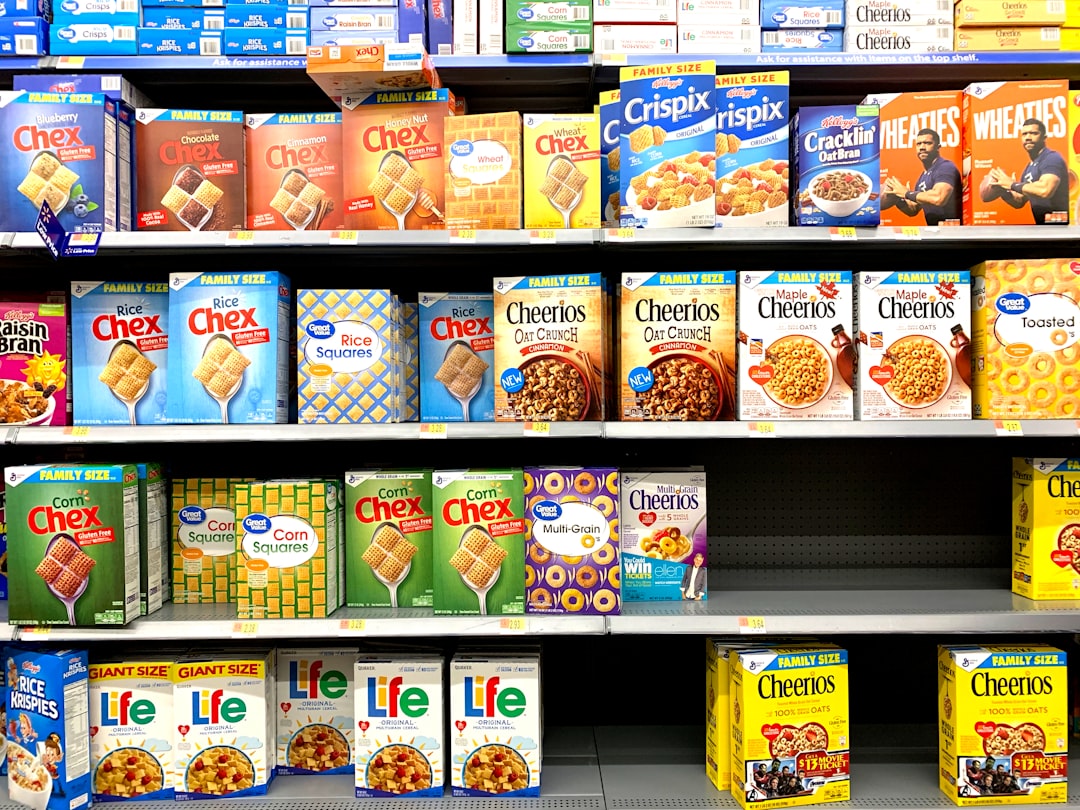
Retail-ready packaging is a shipping case or tray designed so store employees can place it directly on the shelf — cutting it open, folding down a lid, or removing a perforated panel — without unpacking individual units by hand. It must be easy to identify, open, shelve, shop from, and dispose of or recycle, and it has to survive transit without collapsing or crushing the products inside.
What Retailers Actually Require
Most retail-ready standards trace back to a framework retailers call the “Five Easies”: easy to identify (branding, product info, and a scannable barcode visible from a few feet away), easy to open (no box cutter required — perforations or tear strips instead), easy to shelf (store staff can place it without repacking), easy to shop (customers can pull a unit without knocking over the display), and easy to dispose of (the empty case flattens quickly for recycling).
Beyond the general standard, individual retailers layer on their own rules. Walmart, Costco, and Target each publish vendor packaging guides covering case dimensions, pallet configuration, inner-pack counts, and label placement, and they audit incoming shipments against them. A blade-required case, a barcode on the wrong panel, or a case that doesn’t match the pallet tie configuration on the ASN can all trigger a rejected shipment or a chargeback — commonly a flat fee per violation (often in the range of roughly $50 to $500 per case or pallet, depending on the retailer and the infraction) rather than a percentage of the full order.
Structural strength matters just as much as the graphics. Corrugated trays and cases need enough compression strength to stack several layers high in a warehouse and on a truck without crushing, and flute direction (vertical alignment gives the best stacking strength) is one of the most common things a corrugated supplier will check before running a job.
What Retail-Ready Packaging Costs
Costs break into two buckets: one-time development costs and per-unit production costs. On the development side, a custom die for a corrugated tray or display typically runs from a couple hundred dollars for a simple shape up to several hundred dollars or more for something intricate — and that die is then reused for every future order at no extra charge. Structural design and prototyping on top of that can add a few more weeks and a design fee if you’re working with an agency rather than doing it in-house or with your packaging supplier’s design team.
Per-unit costs depend heavily on board grade, print complexity (full-color branded graphics cost more than a single-color case), and order volume — corrugated pricing drops significantly at higher volumes because setup costs get spread across more units. If you’re sourcing internationally to cut per-unit cost, budget for freight time: ocean freight alone can add several weeks to your timeline, and many brands find that sourcing domestically costs more per unit but gets product on shelf faster and with less compliance risk during the transition.
How to Source Retail-Ready Packaging
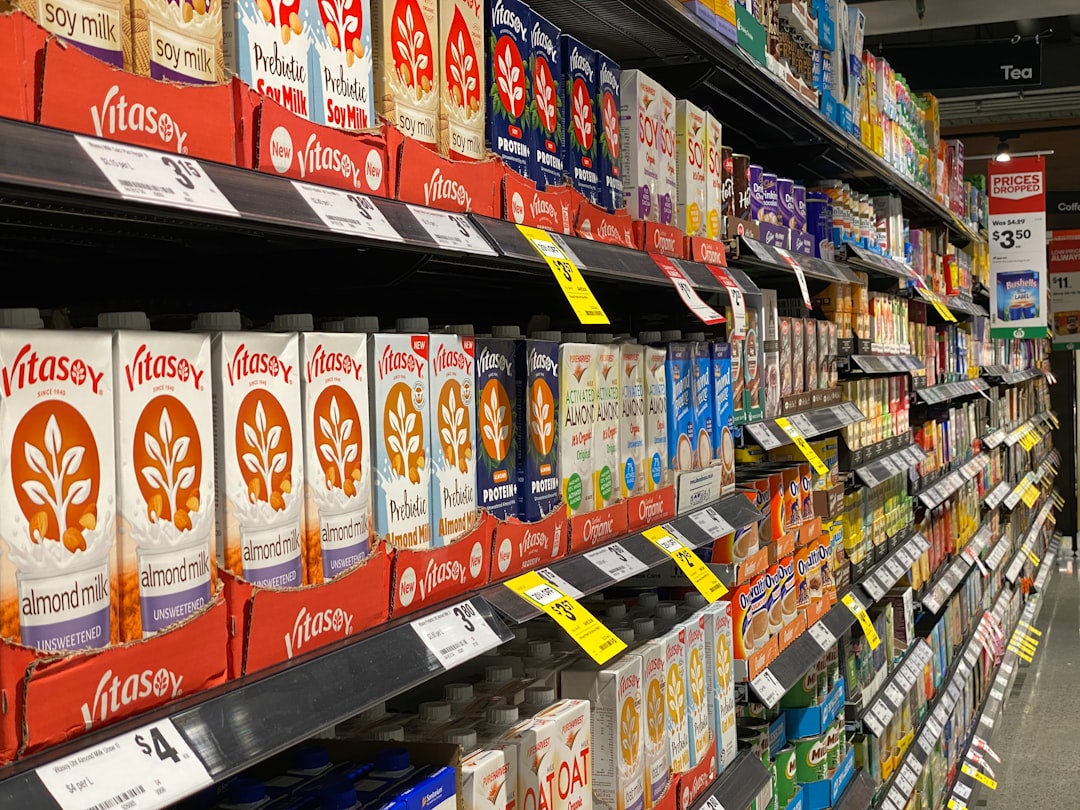
Small and growing brands generally source RRP one of three ways. A corrugated packaging supplier or box manufacturer can design and produce the case itself, which works well if you’re already packing and labeling product in-house and just need the outer case to meet retailer specs. A co-packer (contract packager) handles both the packing and the retail-ready casing in one step, which is usually the fastest path if you don’t have your own packing line — the tradeoff is less direct control over the process and a per-unit fee on top of materials. A packaging design agency or structural engineer is worth bringing in when the display itself is part of your marketing (a floor display or PDQ tray, for example) rather than just a shipping case.
Whichever route you choose, get the retailer’s specific vendor packaging guide before you finalize a design — most major chains publish one, and building to it from the start is far cheaper than reworking a die after a rejected shipment.
Tips and Common Mistakes
Order a physical sample and run it through a real unboxing test with someone unfamiliar with the product before you commit to a production run — problems with perforations, barcode visibility, or tray stability show up immediately in hand that don’t always show up on a design proof.
Don’t finalize artwork before confirming barcode placement and case labeling requirements with the specific retailer; these vary by chain and are one of the most common causes of rejected shipments.
Check flute direction and board grade with your supplier if the case will stack more than two or three layers high — transit damage from crushed cases is a leading cause of retail-ready chargebacks.
Ask suppliers about minimum order quantities early. MOQs for die-cut corrugated packaging vary widely by supplier, and some now offer lower MOQs aimed at smaller brands, which can matter a lot if you’re producing a limited run for a single retailer trial.
Explore more: More packaging compliance guides.
Retail-ready packaging FAQs
What’s the difference between retail-ready packaging and shelf-ready packaging?
The terms are used interchangeably by most retailers and suppliers. Both describe packaging designed to move from delivery truck to store shelf without staff repacking individual units.
Do I need retail-ready packaging to sell in small independent stores?
Usually not to the same strict standard as big-box chains, but making a case easy to open and shelf still helps you get better shelf placement and fewer handling complaints from any retailer, large or small.
How long does it take to develop a retail-ready case from scratch?
Plan for roughly three to five months end to end if you’re sourcing internationally, covering structural design and prototyping, supplier sourcing, production, and freight. Domestic sourcing can cut that timeline meaningfully but usually costs more per unit.
Source Smarter With Packaura Direct
Find packaging suppliers, surplus inventory, and certification — all on Packaura Direct. Try Packaura Direct.
Want packaging news in your inbox? Subscribe to the free newsletter.
Photo by Franki Chamaki on Unsplash.