
Cosmetic packaging trends in 2026 reflect three converging pressures: tightening regulations under MoCRA and EU CPNP, accelerating sustainability mandates from California SB 343 and the EU PPWR, and luxury beauty’s pivot toward refillable architectures. From airless dispensing technology to mono-material lipstick tubes, this guide breaks down the dominant trends shaping cosmetic primary packaging this year.
Refillable Lipstick, Compact, and Skincare Architectures
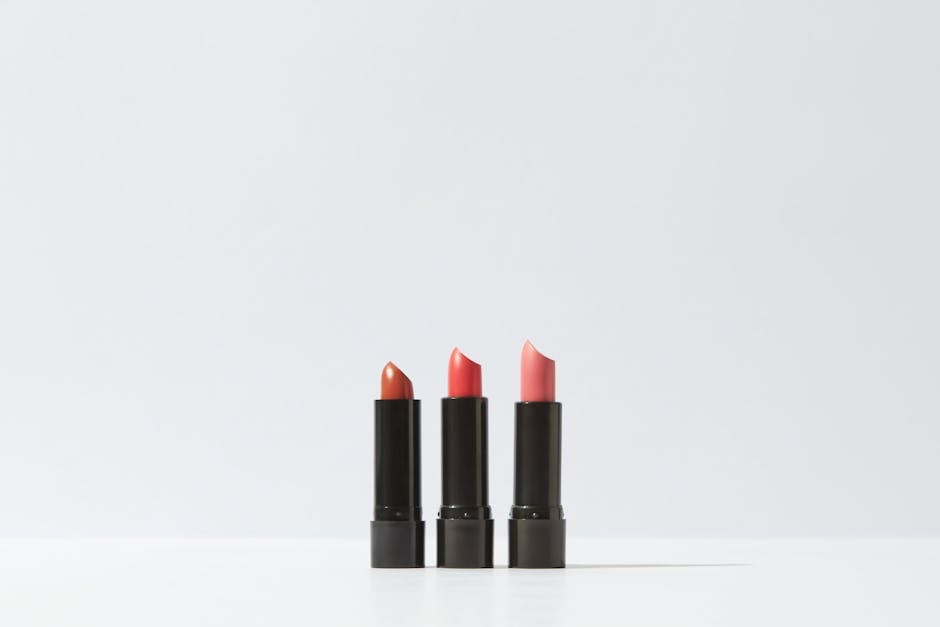
Refillable beauty packaging has moved from boutique brands like Kjaer Weis and Ilia into mass prestige with Charlotte Tilbury, MAC, Hermès Beauty, and Dior all launching refillable lipsticks and foundations. Cosmetic packaging trends toward refillability now span lipstick bullets, powder compacts, perfume bottles, and skincare jars.
The architecture typically features a magnetic or twist-locking refill cartridge that snaps into a durable outer case, often metal or ceramic for premium positioning. Packaging Dive tracks brand launches and consumer adoption rates across the refillable beauty segment.
Airless Dispensing for Active Skincare
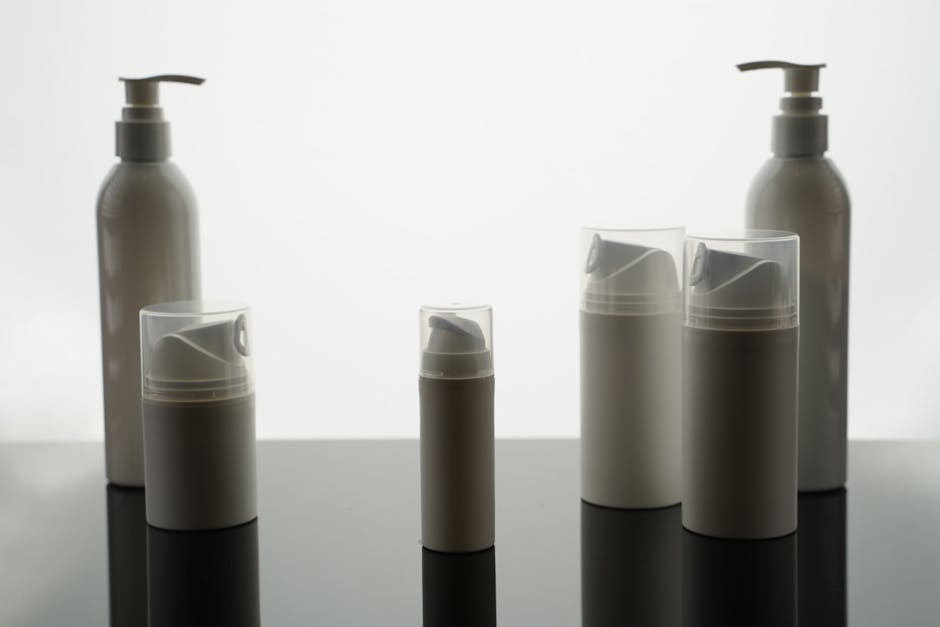
Airless pump bottles eliminate oxygen contact with formula, extending shelf life of vitamin C, retinol, peptides, and probiotic-containing skincare. The dispensing mechanism uses a piston that rises through the container as product depletes, creating a vacuum-sealed environment.
Premium skincare brands including Drunk Elephant, SkinCeuticals, and Clinique have standardized on airless for active formulations. Our pharmaceutical packaging requirements coverage explores how airless principles cross over into OTC and prescription-grade dermatology products.
Sustainable Material Substitutions
Brands are aggressively swapping virgin plastic primary packaging for PCR resins, glass, aluminum, and bio-based polymers. L’Oréal’s Garnier launched 100% recycled PET shampoo bottles globally; The Body Shop and Lush use PCR for most plastic primaries; Aveda has used 100% PCR HDPE since 2009.
The challenge with PCR in cosmetic packaging is color consistency — recycled resins carry slight tint variation that conflicts with premium brand standards. Solutions include opaque colorant masterbatches, shrink sleeves, or accepting the natural variation as a sustainability authenticity signal. EPA’s National Recycling Strategy outlines federal goals supporting expanded PCR availability.
Tube Technology and Mono-Material Innovation
Cosmetic tubes have evolved from multi-laminate aluminum-plastic constructions to mono-material PE tubes that qualify for recycling streams. Suppliers like Albéa, Berry Global, and Aptar offer mono-PE tubes with EVOH oxygen barriers below the 5% threshold for recyclability recognition.
For products requiring tighter barriers — sunscreens with octinoxate, vitamin C serums, retinol formulations — multi-laminate tubes with aluminum foil barriers remain the default but face growing EPR fee pressure. Mono-material innovation is the active R&D frontier across major tube suppliers.
Glass, Ceramic, and Premium Material Pivots
Premium beauty continues to lean heavily on glass for skincare jars, dropper bottles, and fragrance, with weight as a perceived quality signal. However, light-weighting initiatives at Estée Lauder, LVMH, and Chanel are reducing average glass weights 15-25% while maintaining shelf appeal through frosting, embossing, and decoration.
Ceramic lipstick cases, refillable compacts in stainless steel, and aluminum perfume bottles are gaining traction for premium positioning combined with sustainability claims. Pair these material decisions with the framework in our luxury packaging design guide to align material choices with brand positioning and price tier.
Frequently Asked Questions
Why is airless dispensing important for skincare?
Airless pumps prevent oxygen contact with active ingredients like vitamin C and retinol, extending shelf life and protecting efficacy throughout product use.
Can cosmetic packaging use 100% PCR plastic?
Yes, brands including Aveda, Garnier, and The Body Shop use 100% PCR HDPE and PET for primary packaging, though color consistency requires careful colorant management.
What MoCRA requirements affect cosmetic packaging?
MoCRA requires manufacturers to register facilities and products, document GMP compliance, and track adverse events — packaging plays a role in tamper evidence and ingredient communication.
Are mono-material cosmetic tubes recyclable?
Mono-PE tubes with sub-5% EVOH barrier layers qualify for APR recycling recognition in the U.S. and PPWR recyclability targets in the EU.
How much can refillable cosmetic packaging reduce material use?
Refillable systems typically reduce material use by 60-80% per refill versus the original primary container, depending on architecture and refill cartridge design.