Packaura

Multi-State Packaging EPR Checklist for Small CPG Brands

Photo of author

Packaura

/ September 24, 2026

If your products ship into more than one state, packaging extended producer responsibility (EPR) rules have probably already landed on your desk, usually as a confusing email from a producer responsibility organization asking you to register and report tonnage you’ve never had to track before.

Read more

PAO Symbol Guide: When Cosmetic Packaging Needs One

Photo of author

Packaura

/ September 24, 2026

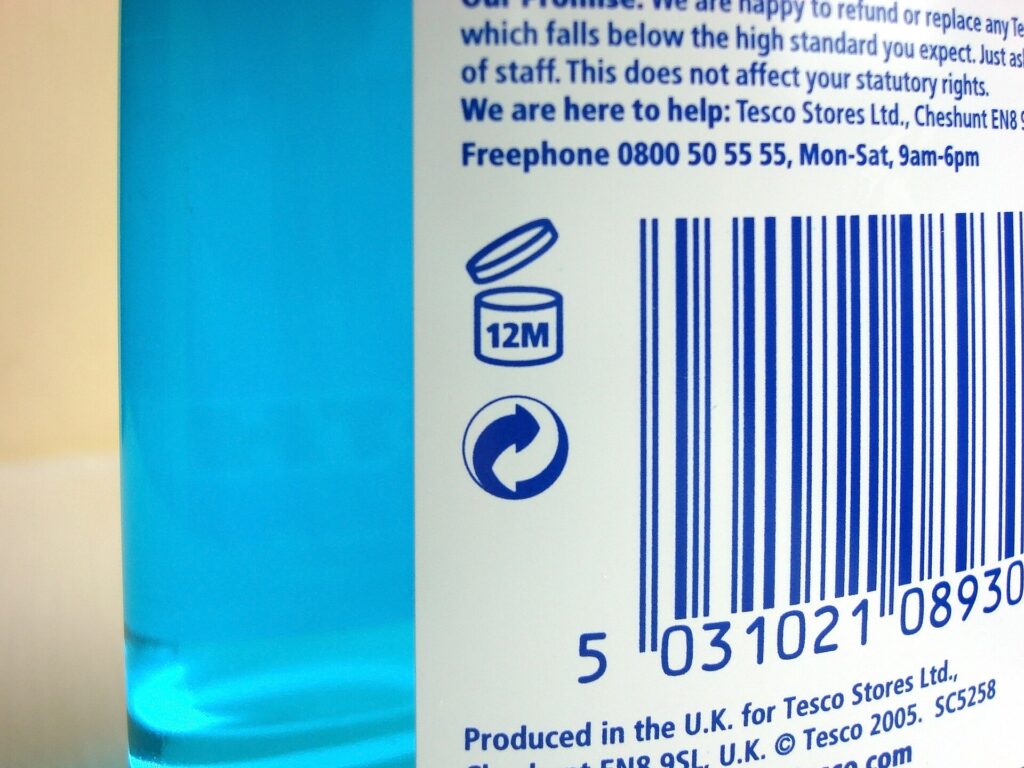
If you’re finalizing artwork for a cream, lotion, or makeup product, you’ve probably run into the little open-jar icon with a number and an “M” next to it — the Period-After-Opening (PAO) symbol. Getting this right matters: in the EU, it’s a legal labeling requirement

Read more

Food Contact Migration Testing Cost: A Budgeting Guide

Photo of author

Packaura

/ September 23, 2026

If you’re bringing a new packaging material, coating, or food-contact product to market, migration testing is one of the line items that’s hardest to budget for — labs rarely post pricing, and the final number depends on a handful of variables most first-time filers don’t

Read more

GRAS List for Packaging: How to Confirm FDA Status

Photo of author

Packaura

/ September 22, 2026

If you make or source food packaging, you’ve probably run into the acronym GRAS — Generally Recognized As Safe — and wondered whether the resin, adhesive, coating, or additive in your material actually qualifies. It’s a fair question: GRAS status isn’t a single certificate you

Read more

NAPCOR’s PET Roadmap Debuts, London Packaging Week Wraps, Dow-Amcor Ink Low-Carbon Deal, Canada Tariffs Hit 50%: 13 Essential Packaging Industry Stories (September 20, 2026)

Photo of author

Packaura

/ September 20, 2026

This week’s packaging industry news was dominated by London, as thousands of brand owners and converters descended on ExCeL for London Packaging Week while, back in the US, NAPCOR dropped a decarbonization roadmap for PET and Dow and Amcor announced a low-carbon materials partnership. Add

Read more

How to Weigh and Categorize Packaging for EPR Reporting

Photo of author

Packaura

/ September 19, 2026

If your company sells products in a state with an extended producer responsibility (EPR) law for packaging, one of the first hard parts isn’t understanding the regulation, it’s producing accurate weight and material data for everything you ship. Regulators and the producer responsibility organizations (PROs)

Read more

Is Silicone Bakeware FDA Food-Safe? Reading the Fine Print

Photo of author

Packaura

/ September 17, 2026

Pull up almost any silicone baking mat or muffin mold online and you’ll see the words “FDA approved” somewhere in the listing. It sounds like a stamp of government approval, but the FDA doesn’t test, inspect, or approve individual kitchenware products before they hit the

Read more

State Bag Ban Mil Thickness Rules: What Counts as Reusable

Photo of author

Packaura

/ September 15, 2026

If you sell, distribute, or manufacture checkout bags across state lines, “just make it thicker” is not a compliance strategy. States that ban thin single-use plastic bags define “reusable” in wildly different ways — some by a specific mil count, some by banning plastic film

Read more

Is Cardboard Food-Safe? Coatings, Grease Resistance & PFAS

Photo of author

Packaura

/ September 15, 2026

Plain, uncoated cardboard is actually FDA-compliant for direct contact with dry foods, as long as the fiber and any additives meet federal requirements — a coating isn’t automatically required just to call cardboard “food-safe.” Where a coating or barrier treatment becomes necessary is grease, oil,

Read more

Supplement Label Design Rules That Build Shopper Trust

Photo of author

Packaura

/ September 15, 2026

Shoppers decide whether a supplement looks legitimate in the few seconds it takes to glance at the bottle. Before anyone reads a single ingredient, they’re reacting to whether the label looks organized, honest, and professionally made — or cluttered, exaggerated, and cheap. This guide covers

Read more