
Every subscriber’s first physical touchpoint with your brand is the box itself, and it arrives before the product gets a chance to speak for itself. Get the materials wrong and you’re either shipping a flimsy mailer that dents in transit or overspending on finishes nobody notices, both of which quietly erode margin on a business model that depends on repeat shipments.
This guide breaks down the real material choices behind subscription box packaging: outer boxes, void fill, and presentation layers like tissue paper, with honest cost ranges and guidance on where it actually pays to spend versus where you can economize without subscribers noticing.
Quick Answer
Match your packaging spend to your price point: use a sturdy single-wall corrugated mailer with a printed interior and branded tissue paper for most subscription boxes, reserving rigid boxes for premium or luxury tiers. Spend on the parts subscribers see and touch first (the box exterior and the top layer), and economize on void fill underneath, where a recyclable crinkle paper or honeycomb wrap performs nearly as well as pricier alternatives.
Outer Box Materials: Corrugated Mailers vs. Rigid Boxes
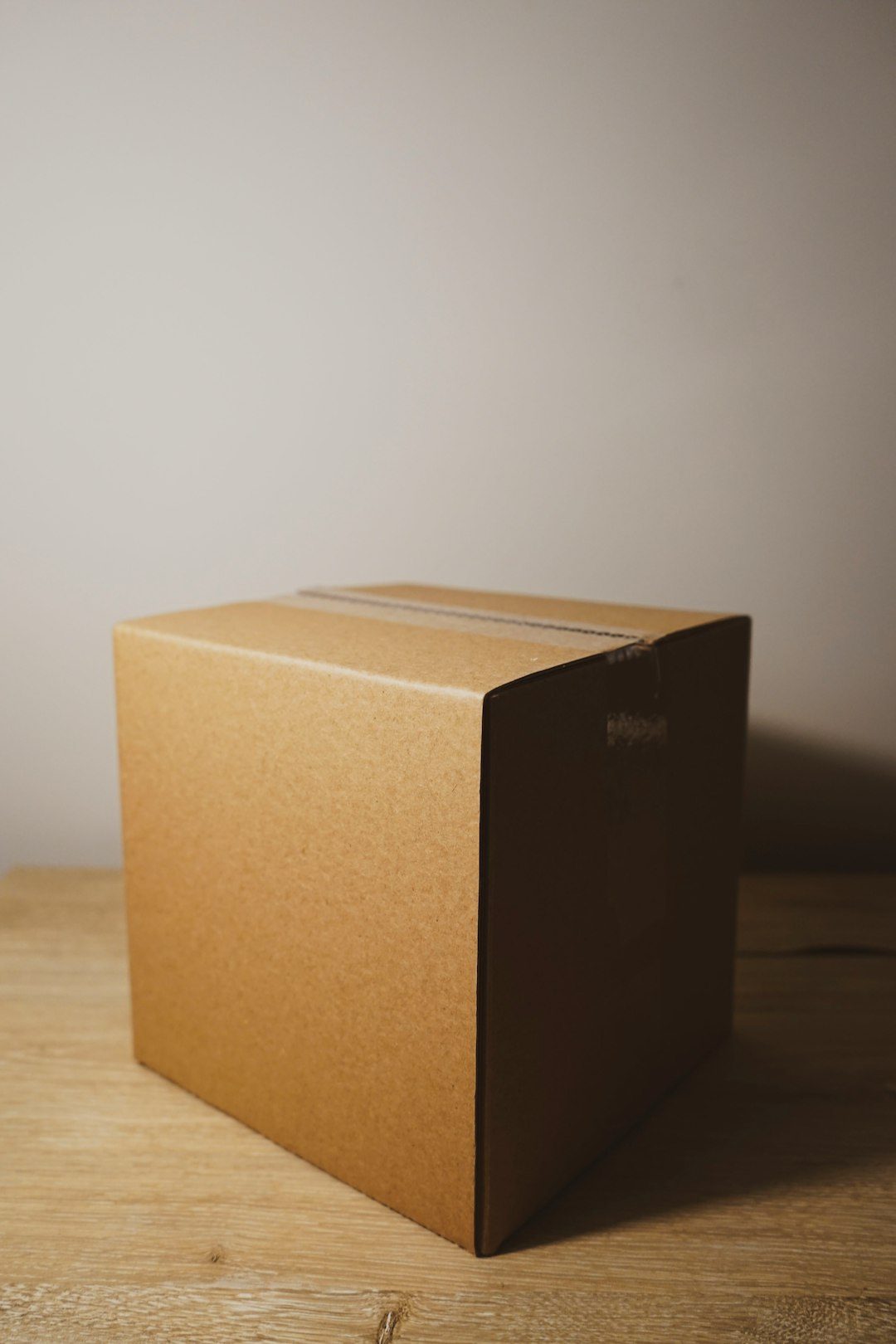
Most subscription boxes ship in corrugated mailer boxes rather than rigid (also called “set-up”) boxes, and for good reason: corrugated board is lighter, cheaper, and strong enough to survive parcel carriers on its own, so it doesn’t need an outer shipping box the way a rigid box typically does. Generic, unprinted corrugated mailers commonly run well under $1.50 each at volume, while custom full-color printed corrugated mailers typically land somewhere in the $1.50 to $5 range per box depending on size, wall thickness, and order quantity.
Rigid boxes, built from thicker chipboard wrapped in printed paper, deliver a heavier, higher-end unboxing feel, but cost meaningfully more, often starting around $5 and climbing well past $15 per box for larger or more elaborate designs, and they frequently still need an outer shipping box or mailer sleeve to protect them in transit. That added cost and complexity is why rigid boxes tend to show up on premium beauty, jewelry, or high-ticket subscription tiers rather than on $20-to-$40/month boxes.
A middle path many subscription brands use is a well-specified custom-printed corrugated mailer: full-color interior printing, a branded interior lid panel, and a fitted insert or divider. This closes much of the perceived gap with a rigid box at a fraction of the cost, and it’s the right default for most subscription businesses.
Void Fill and Presentation Layers
Once you’ve picked the box, the materials inside do double duty: they cushion the product and they shape the first visual impression when the lid comes off. Crinkle paper (shredded or crimped kraft paper) is the most common choice for subscription boxes because it’s light, recyclable or compostable depending on the stock, inexpensive, and visually appealing in a way that plain packing paper isn’t. Honeycomb paper wrap is a sturdier step up, good for filling larger gaps or wrapping individual items without adding much weight.
For genuinely fragile items, paper-based cushioning or bubble wrap still outperforms crinkle paper, so don’t swap it out purely for aesthetics if you’re shipping glass, ceramics, or electronics. A hybrid approach, using paper void fill for the empty space and a thin layer of bubble wrap or a molded paper pulp tray directly around the fragile item, is usually the most cost-effective way to protect contents without filling the whole box with plastic.
Tissue paper is where a lot of the “premium feel” actually comes from, even though it adds very little material cost. A single sheet of branded, custom-printed tissue paper laid over the contents creates a reveal moment and reads as considered and intentional, which is why many subscription brands treat it as a near-mandatory line item even on otherwise cost-conscious boxes.
Tips / Common Mistakes
Don’t oversize the box. Carriers typically bill based on whichever is greater, actual weight or dimensional weight (a calculation based on the box’s length, width, and height), so a bigger box doesn’t always raise the price, but it can push a light item into a higher dimensional-weight bracket and trigger charges well above what the product’s actual weight would suggest. Oversizing also means more void fill is needed to keep contents from shifting, so right-sizing the box is usually the single biggest cost lever available, bigger than any material swap.
Don’t put all your budget into the outer box and skip the interior. A plain cardboard interior with products just dropped in undoes a lot of the impression a nice printed mailer creates. Conversely, don’t over-invest in finishes inside a box that then gets damaged in transit because the board itself was too thin for the product’s weight; test your actual packed box with a real shipping run before locking in a material choice.
Keep sustainability claims accurate. If you label a box or insert as recyclable, compostable, or FSC-certified, make sure the specific material and your region’s recycling infrastructure actually support that claim, since subscribers increasingly notice and will call out greenwashing on packaging that doesn’t hold up.
Explore more: more packaging materials guides.
Subscription box packaging materials FAQs
What’s the cheapest packaging option that still looks good?
A right-sized single-wall corrugated mailer with simple one- or two-color interior printing, kraft crinkle paper, and a single sheet of branded tissue paper. This combination keeps per-box cost low while still creating a deliberate unboxing moment.
Is bubble wrap still worth using in subscription boxes?
Yes, but selectively. Save it for genuinely fragile items and use paper-based void fill for everything else; a hybrid approach protects breakables without filling the whole box with plastic or adding unnecessary cost.
When does a rigid box make sense over a corrugated mailer?
Rigid boxes make the most sense for premium or luxury subscription tiers where the box itself is part of the perceived product value, since the higher material and finishing cost needs a higher price point to support it.
Find the Right Packaging Supplier
Search the free Packaura supplier directory — filter by material, certification, and location to find vetted suppliers. Search the Supplier Directory.
Want packaging news in your inbox? Subscribe to the free newsletter.
Photo by Brandable Box on Unsplash.