
Shelf life lives or dies on one question: how much oxygen, moisture, light, and aroma can get through the package wall? For most flexible packaging, the answer comes down to which barrier layer is built into the film — and there are really only four main players: EVOH, PVDC, metallized film, and aluminum foil.
Each one solves the barrier problem differently, and each comes with its own trade-offs in cost, clarity, recyclability, and how it holds up in the real world. This guide breaks down what each material actually does, where it fits, and how to choose between them without over-speccing your structure.
Quick Answer
EVOH is a clear, co-extrudable resin with an excellent oxygen barrier but loses much of its performance when it gets wet, so it needs protection from moisture in the structure. PVDC is a coating or co-extruded layer that blocks oxygen, moisture, and aroma even in humid conditions, but it’s chlorine-based and harder to recycle. Metallized film (a thin vapor-deposited aluminum layer on PET or OPP) gives a strong, lower-cost barrier boost with a metallic look. Aluminum foil is the only option that delivers a true, near-total barrier against oxygen, moisture, and light — but it costs more, isn’t microwavable, and can’t be checked by metal detectors in-line.
How Each Barrier Material Actually Works
EVOH (ethylene vinyl alcohol) is a co-polymer resin, not a coating — it’s typically co-extruded as a thin internal layer (often just a few microns) sandwiched between polyolefin layers in a multilayer film or bottle wall. Its oxygen barrier comes from a tightly packed molecular structure, but that same structure is hygroscopic: at high humidity, water molecules disrupt the polymer chains and the oxygen barrier drops off sharply. That’s why EVOH layers are almost always placed in the middle of a structure, protected on both sides by moisture-resistant layers like polyethylene or polypropylene. It’s a go-to choice for retort pouches, ketchup and sauce bottles, and modified-atmosphere meat and cheese packaging, and it’s fully transparent, which foil and metallized film are not.
PVDC (polyvinylidene chloride) is applied either as a coating on a base film (like BOPP or cellulose) or, less commonly today, co-extruded. Unlike EVOH, PVDC’s barrier performance holds up well in humid conditions, and it blocks moisture, oxygen, and aroma/flavor transmission simultaneously — a big reason it’s been a workhorse in snack food, confectionery, and pharmaceutical blister packaging for decades. The catch is sustainability: PVDC contains chlorine, which complicates recycling and raises concerns around incineration byproducts, so many brands are actively substituting it with EVOH-based or acrylic-coated structures, or newer ‘PVDC-free’ high-barrier coatings, to hit recyclability targets.
Metallized film is made by vacuum-depositing an extremely thin layer of aluminum (a fraction of a micron) onto a plastic film, usually PET (creating ‘MetPET’ or ‘VMPET’) or OPP (‘MetOPP’). This dramatically cuts oxygen and moisture transmission compared to the unmetallized plastic film alone, gives a shiny, light-blocking metallic appearance, and adds a degree of grease and aroma resistance. It costs meaningfully less than foil and is thinner and lighter, which matters for freight and machinability, but the barrier is not absolute — pinholing and flex-cracking during converting or handling can create micro-defects that let some oxygen and moisture through over time.
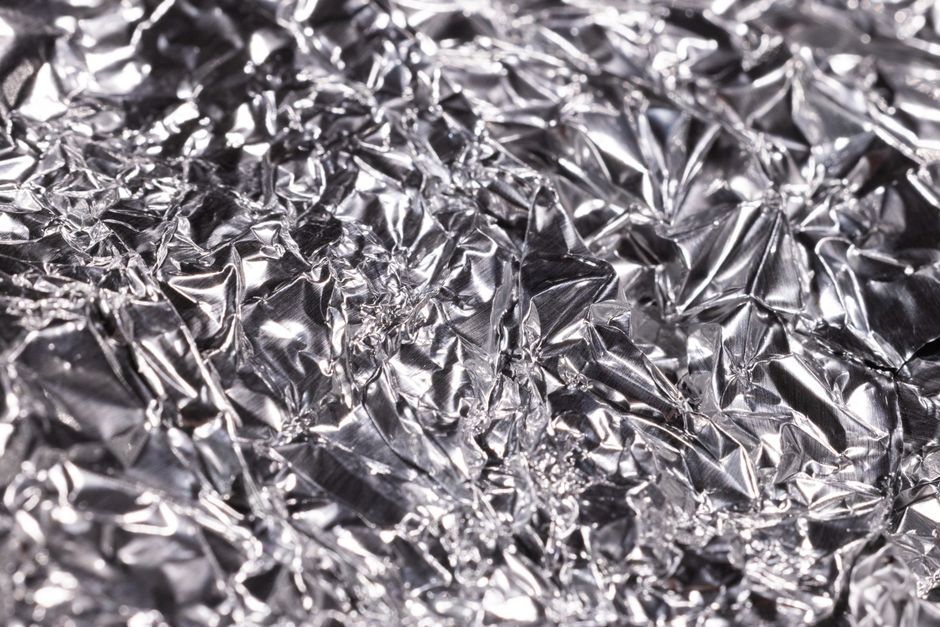
Aluminum foil is a solid, rolled sheet of aluminum, laminated between plastic and/or paper layers rather than deposited onto them. Because it’s a continuous metal sheet rather than a vapor-thin coating, foil is effectively an absolute barrier to oxygen, moisture, and light when it’s free of pinholes and folds are sealed properly. That’s why it remains the standard for products with long, ambient-shelf-life requirements — retort pouches, coffee, pharmaceutical strip packs, and aseptic cartons. The trade-offs: it’s opaque, can’t go in a microwave, is heavier and pricier than metallized film, and blocks metal-detection quality checks on packaged product.
Choosing Between Them
Start with what you’re actually protecting against. If oxygen sensitivity is the main concern and the product itself isn’t very wet or won’t expose the barrier layer to high humidity, EVOH in a co-extruded structure is often the most cost-effective, recyclable-friendly, transparent option. If you need a proven barrier against oxygen, moisture, and aroma together — and don’t need see-through packaging — PVDC coatings remain hard to beat on performance, though check whether your retailer or region has restrictions or recyclability requirements around chlorinated films before committing.
If your main goal is a shiny, light-blocking look with a solid mid-tier barrier at a lower cost and lighter weight than foil, metallized PET or OPP is usually the right call — it’s common in snack bags, coffee bags with one-way valves, and pet food pouches. Reach for actual aluminum foil when you need the longest possible ambient shelf life, complete light exclusion, or you’re packaging something highly oxygen- or moisture-sensitive over a long distribution timeline, such as retort pouches or pharmaceutical blister/strip packs — and you’re comfortable trading off recyclability and microwave compatibility for that performance.
Tips / Common Mistakes
Don’t spec EVOH into a structure without adequate moisture protection on both sides — a poorly designed film can lose much of its oxygen barrier the moment it’s exposed to humidity or a wet fill. Don’t assume metallized film and foil are interchangeable; metallized film is a good compromise, not a foil replacement, when a product truly needs a total barrier. Watch for pinholing in both foil and metallized layers during converting, printing, and lamination — even small flex-cracks can quietly undercut the barrier you’re paying for. And if recyclability or a chlorine-free claim matters to your brand or retailer, confirm early whether your supplier’s PVDC or metallized structure has a mono-material or recycle-compatible alternative, since reformulating a barrier structure late in development can affect cost, shelf life testing, and lead times.
Explore more: More packaging materials guides.
Barrier packaging films (EVOH, PVDC, metallized film, foil) FAQs
Is EVOH or PVDC a better oxygen barrier?
In dry conditions, EVOH offers an excellent oxygen barrier, often better than PVDC per unit thickness. But PVDC keeps performing well in humid or wet conditions, while EVOH’s barrier can drop significantly at high humidity, so the ‘better’ choice depends on how much moisture the barrier layer will be exposed to.
Can metallized film replace aluminum foil?
It depends on the shelf-life target. Metallized film gives a strong, lower-cost barrier boost and works well for many snack, coffee, and pet food applications, but it doesn’t match foil’s near-total barrier. For long ambient shelf life or maximum light/oxygen/moisture exclusion, foil is still the more reliable choice.
Why are brands moving away from PVDC?
PVDC is chlorine-based, which makes it harder to recycle and raises sustainability concerns, so many brands are switching to EVOH-based or acrylic/PVDC-free coated structures to meet recyclability goals, even though it can mean re-testing barrier performance and shelf life.
Does aluminum foil packaging go in the microwave?
No — foil-containing packaging should not go in a microwave because the metal can arc and damage the appliance or start a fire. Metallized film in very thin, low-aluminum-content structures is sometimes microwave-compatible depending on the specific construction, but this should be verified with the film supplier, not assumed.
Source Smarter With Packaura Direct
Find packaging suppliers, surplus inventory, and certification — all on Packaura Direct. Try Packaura Direct.
Photo by cottonbro studio on Pexels.