
E-commerce packaging is one of the most important yet overlooked factors in online retail success. The right packaging protects products during transit, creates a memorable unboxing experience, and directly impacts shipping costs. With e-commerce sales exceeding $6 trillion globally, brands that master their e-commerce packaging strategy gain a significant competitive advantage. Packaura connects online sellers with packaging suppliers who understand the unique demands of direct-to-consumer shipping.
Why E-Commerce Packaging Requires a Different Approach
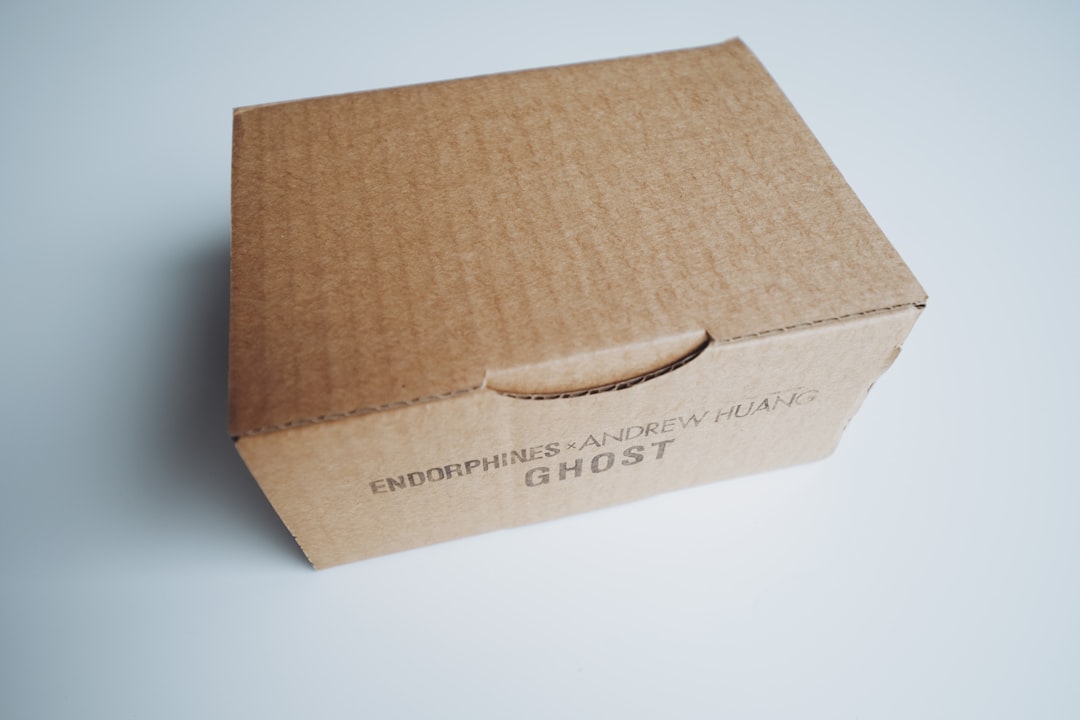
Traditional retail packaging is designed to look good on a shelf and attract in-store shoppers. E-commerce packaging must survive a completely different journey — warehouse handling, carrier sorting systems, delivery trucks, and doorstep drops. According to Packaging Digest, nearly 20% of e-commerce products arrive damaged, costing brands billions in returns, replacements, and lost customer trust every year.
At the same time, e-commerce packaging is often the first physical touchpoint between a brand and its customer. A well-designed package can turn a routine delivery into a shareable moment that drives repeat purchases and social media exposure.
6 Strategies for Better E-Commerce Packaging
1. Right-Size Your Packaging to Cut Costs
Oversized boxes filled with void fill are the most common e-commerce packaging mistake. Carriers charge by dimensional weight — the volume of the box, not just its actual weight. Using packaging that fits your product closely can reduce shipping costs by 20-40%. Work with suppliers who offer a range of carton and box sizes or invest in on-demand box-making equipment for high-volume operations.
Right-sizing also reduces the need for protective fill materials, lowering material costs and improving your sustainability profile.
2. Design for the Unboxing Experience
The unboxing experience has become a marketing channel in itself. Brands like Glossier and Apple have demonstrated that thoughtful e-commerce packaging creates emotional connections with customers. Consider these elements for your packaging design:
- Branded tissue paper or wraps that build anticipation
- Thank-you cards or inserts with personalized messaging
- Organized product placement that reveals items in a logical sequence
- Premium closures like magnetic flaps or pull-tab ribbons
These touches don’t need to be expensive. Even custom labels and decoration on standard boxes can elevate the perceived value of your brand.
3. Use Protective Packaging That Actually Works
Product damage during shipping destroys customer trust and inflates return costs. Choose protective packaging based on your product’s fragility profile:
- Corrugated inserts and dividers for bottles and glass items
- Inflatable air pillows for lightweight cushioning
- Molded pulp trays for electronics and cosmetics
- Foam-in-place systems for irregularly shaped or high-value items

Test your e-commerce packaging with ISTA (International Safe Transit Association) protocols to ensure it withstands real-world shipping conditions before scaling production.
4. Make Sustainability Visible and Authentic
Sustainability is no longer optional for e-commerce packaging — it is expected by consumers and increasingly required by regulations. According to the European Commission, packaging waste regulations are tightening globally, with targets for recycled content, recyclability, and reduced packaging weight.
Use materials that are genuinely recyclable in standard curbside programs — recycled corrugated, paper-based void fill, and paper tape instead of plastic tape. Print clear recycling instructions on your packaging to help customers dispose of it properly.
5. Optimize for Returns and Reverse Logistics
Returns are a reality of e-commerce, with average return rates of 20-30% for apparel and accessories. Smart e-commerce packaging includes features that make returns easier:
- Dual-adhesive strips that allow the box to be resealed for return shipping
- Pre-printed return labels inside the package
- Durable construction that survives a second trip through the carrier network
Packaging designed for returns reduces friction for customers and decreases the amount of damaged-in-return products that cannot be restocked.
6. Scale Your Packaging with Your Business
Early-stage e-commerce brands often start with generic stock packaging and graduate to custom packaging as order volume grows. Plan your packaging evolution:
- 0-500 orders/month — stock boxes with branded stickers and tissue
- 500-5,000 orders/month — custom-printed corrugated with structural inserts
- 5,000+ orders/month — fully custom packaging with automated packing line integration
Work with suppliers who can grow with you. Browse the Packaura marketplace to find packaging partners offering flexible minimums and scalable production for e-commerce packaging solutions at every stage of growth.
The Bottom Line on E-Commerce Packaging
E-commerce packaging is not just a cost center — it is a strategic asset that affects your shipping costs, damage rates, brand perception, and customer retention. Brands that invest in right-sized, well-designed, and sustainable e-commerce packaging consistently outperform competitors on customer satisfaction and repeat purchase rates. Start by auditing your current packaging performance and identifying the biggest opportunities for improvement.
Frequently Asked Questions
What is the best packaging material for e-commerce shipping?
Corrugated cardboard is the most versatile and cost-effective material for e-commerce packaging. It provides excellent protection, is lightweight for reduced shipping costs, and is widely recyclable. For lightweight items, poly mailers or padded paper mailers offer even lower costs. The best choice depends on your product size, weight, fragility, and brand positioning.
How much does custom e-commerce packaging cost?
Custom e-commerce packaging typically costs $0.50 to $3.00 per unit depending on size, material, print complexity, and order volume. Simple one-color printed corrugated boxes start around $0.50-1.00 at volumes of 1,000 or more units. Fully custom rigid boxes with premium finishes can range from $3.00-10.00 per unit. Most suppliers offer volume discounts that significantly reduce per-unit costs at higher quantities.
How can I reduce packaging waste in my e-commerce business?
Start by right-sizing your boxes to eliminate excess void fill — this alone can reduce packaging material usage by 20-30%. Switch from plastic void fill to paper-based alternatives. Use paper tape instead of plastic tape. Choose packaging made from recycled content and clearly label it with recycling instructions. Consider offering customers the option to choose minimal packaging at checkout.
3 thoughts on “E-Commerce Packaging: 6 Essential Strategies to Reduce Costs and Wow Customers”