
EU PPWR compliance transforms how brands selling into the European Union design, source, and report packaging through 2030 and beyond. The Packaging and Packaging Waste Regulation, finalized in 2025, replaces the prior PPWD directive with binding regulation that applies uniformly across all member states. From recycled content mandates to refillable share targets to PFAS restrictions, this guide breaks down what packaging producers need to track.
Scope and Effective Dates
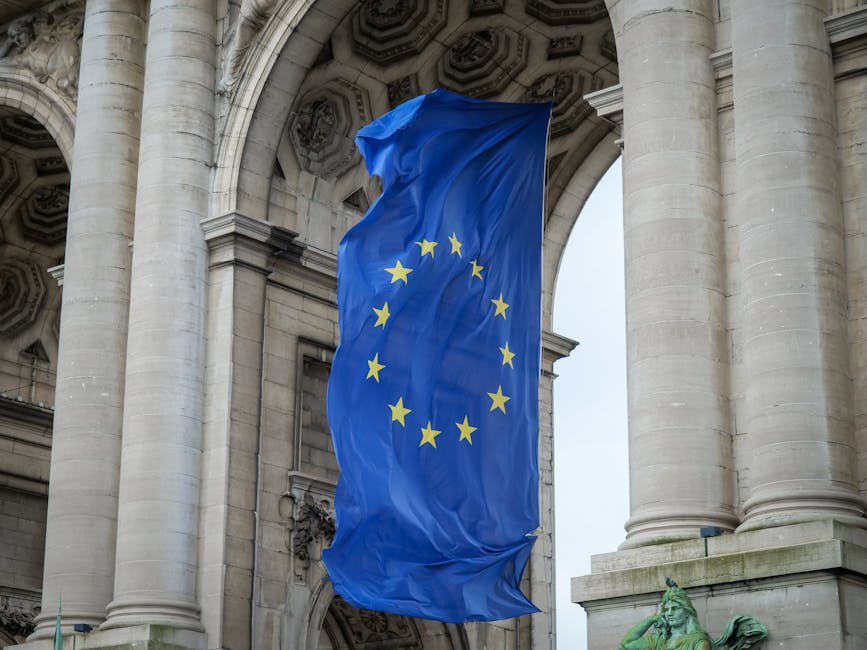
The PPWR applies to all packaging placed on the EU market, regardless of producer nationality. Initial provisions take effect 18 months after publication in the Official Journal, with phased rollout of recycled content, recyclability, and refillable targets through 2040. EU PPWR compliance obligations fall on producers — typically the brand owner placing packaged products on EU markets.
The European Commission Environment Directorate publishes the official PPWR text and implementation timelines. EU packaging policy serves as the authoritative reference for ongoing implementation guidance.
Sourcing compliant packaging? Search the free Packaura Supplier Directory — filter by material, certification, and location to find vetted suppliers that meet these requirements.
Recycled Content Mandates by Material
PPWR sets binding minimum recycled content thresholds for plastic packaging by 2030: 30% for contact-sensitive plastic packaging (food contact), 35% for non-contact-sensitive plastic packaging, with intermediate targets and material-specific calculations. The 2040 thresholds rise to 50-65% across categories.
Verification requires chain-of-custody documentation, typically through ISCC PLUS or equivalent certification schemes. Our sustainable packaging certifications explained coverage details which certifications support EU recycled content claims.
Recyclability Performance Grades
PPWR introduces a recyclability performance grading system (Grade A, B, C) based on Design for Recycling criteria. Grade C packaging (less than 70% recyclable by weight) cannot be placed on EU markets after 2030. Grade A packaging (95%+ recyclable) earns the most favorable EPR fee treatment.
Brands must self-assess packaging against detailed Design for Recycling criteria covering material composition, decoration, closures, and labels. Packaging Dive tracks how leading EU brands are reformulating to maintain Grade A recyclability across portfolios.
Refillable and Reusable Targets
PPWR mandates binding refillable and reusable shares for specific categories: 10% of beverage take-away packaging refillable by 2030 rising to 40% by 2040; 100% of transport packaging reusable by 2030 with phased exceptions; specific minimum reusable shares for industrial and HORECA packaging.
Brands must establish reusable packaging systems, deposit-return infrastructure (or contribute to existing schemes), and report annual reuse rates to enforcement authorities. Our refillable packaging systems guide details the architectures and unit economics that support compliance.
PFAS Restrictions and Substance Bans
PPWR prohibits PFAS (per- and polyfluoroalkyl substances) in food contact packaging above 25 parts per billion total fluorine, with implementation 18 months after entry into force. The restriction targets grease-resistant treatments common in fast-food wrappers, microwave popcorn bags, and some compostable packaging.
The regulation also restricts heavy metals (lead, cadmium, mercury, hexavalent chromium) above 100 ppm combined, and bisphenol A in certain food contact applications. Brands must obtain supplier certifications confirming substance compliance and document material declarations for regulatory inspection.

Reporting, Marking, and Documentation
PPWR requires standardized harmonized labeling for material identification and recyclability across all packaging on EU markets. Producers must register with national EPR schemes, report annual packaging tonnage by material and format, and maintain technical documentation supporting recyclability and recycled content claims.
Building compliance infrastructure now — before phased deadlines hit — prevents scramble compliance and regulatory exposure. Many CPG brands are integrating PPWR data collection with existing PLM, supplier portals, and SAP modules. Pair this technical infrastructure with the supplier governance framework in our packaging supply chain management guide to maintain accountability across the global supply chain.
Frequently Asked Questions
When does EU PPWR enter into force?
PPWR provisions begin taking effect 18 months after publication in the Official Journal (mid-2026), with phased rollout of substantive targets through 2030 and 2040.
What recycled content does PPWR require for plastic packaging?
30% for contact-sensitive plastic and 35% for non-contact plastic by 2030, rising to 50-65% across categories by 2040, verified through chain-of-custody certification.
What are PPWR recyclability grades?
PPWR introduces Grade A (95%+ recyclable), Grade B, and Grade C (less than 70% recyclable) classifications. Grade C packaging cannot be placed on EU markets after 2030.
Does PPWR ban PFAS in food packaging?
Yes, PPWR restricts PFAS in food contact packaging above 25 parts per billion total fluorine, with implementation 18 months after entry into force.
Do non-EU brands face PPWR obligations?
Yes, any producer placing packaging on the EU market must comply, regardless of where the producer is headquartered. Non-EU producers typically appoint authorized representatives.
1 thought on “9 Critical EU PPWR Compliance Steps for Brand Owners”