
Filling line optimization drives the most significant operational gains in packaging operations — every percentage point of OEE (overall equipment effectiveness) improvement on a 600 BPM bottling line translates to thousands of dollars per shift in additional throughput. From changeover reduction to predictive maintenance to format flexibility, this guide breaks down the optimization levers that production engineers and plant managers should prioritize.
Reducing Changeover Time with SMED
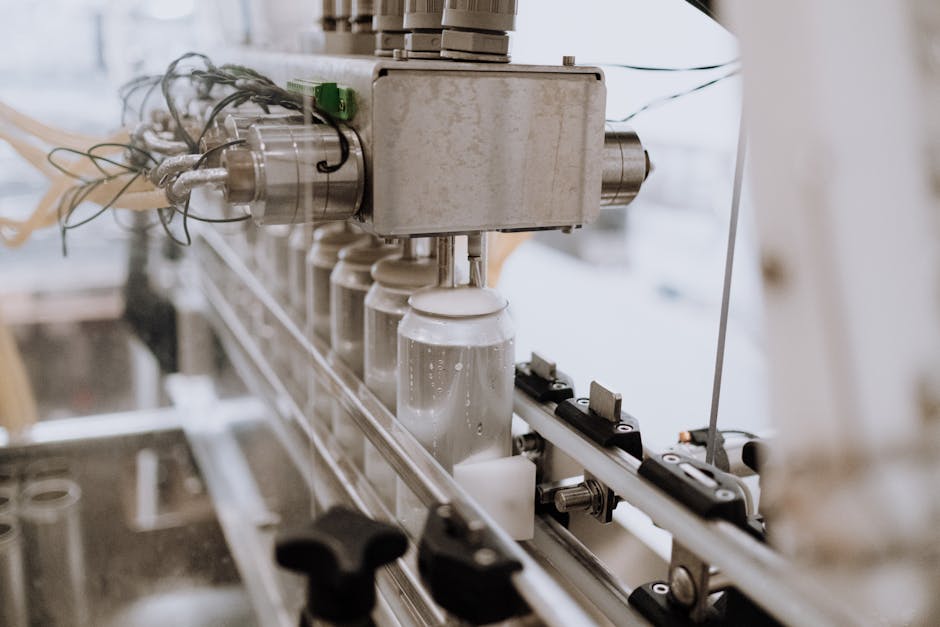
Single Minute Exchange of Die (SMED) methodology applied to packaging changeovers separates internal setup (machine stopped) from external setup (machine running), then converts as much internal work as possible to external. Typical filling line changeovers can drop from 4-6 hours to 30-90 minutes through systematic SMED.
Filling line optimization through SMED requires investment in change parts (often 2-3x sets), tooling carts, and operator training. Capital payback is typically 6-12 months for high-mix lines. Packaging Dive covers SMED case studies across beverage, food, and personal care manufacturing.
OEE Measurement and Bottleneck Analysis
Overall equipment effectiveness combines availability, performance, and quality into a single metric, with world-class packaging lines targeting 85%+ OEE. Most operating lines run 50-65% OEE, leaving substantial improvement potential. Detailed downtime tracking by cause code identifies bottleneck operations and recurring failure modes.
Modern MES (manufacturing execution system) software integrated with PLCs provides real-time OEE dashboards and root cause analytics. Our packaging supply chain management guide details how production data flows through enterprise systems to support continuous improvement.
Vision Inspection and Reject Reduction
Vision inspection systems detect defects in real time — missing labels, fill level errors, cap defects, code dating issues — preventing downstream contamination and consumer complaints. Modern systems from suppliers like Cognex, Keyence, and Antares Vision integrate with line PLCs to trigger rejects without slowing production.
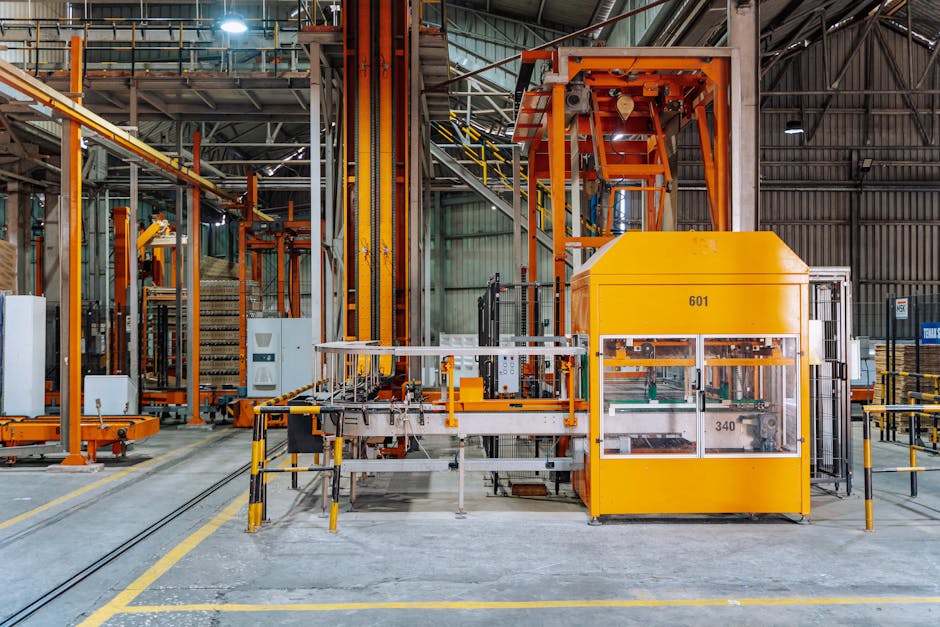
False reject rates above 0.5% indicate vision system overcalibration; below 0.1% suggests undercalibration may be missing real defects. Tuning balance requires periodic golden sample validation. Packaging World publishes vision inspection technology reviews and integration case studies.
Predictive Maintenance and Sensor Integration
Predictive maintenance shifts from time-based PM schedules to condition-based interventions, reducing unplanned downtime and extending component life. Vibration sensors on motors, thermal imaging on bearings, and current monitoring on drives provide early warning of impending failures.
The transition from preventive to predictive typically delivers 20-40% reduction in maintenance costs and 30-50% reduction in unplanned downtime. Integration with CMMS (computerized maintenance management systems) enables automated work order generation when sensor thresholds trip.
Format Flexibility and Rapid Changeover Design
Filling lines designed for format flexibility — accommodating multiple bottle sizes, neck finishes, and cap styles without major changeovers — provide strategic flexibility as SKU portfolios fragment. Servo-driven fillers and cappers replace cam-driven mechanics, enabling recipe-based changeover with minimal mechanical adjustment.
For brands launching limited editions, seasonal SKUs, or short-run products, flexibility unlocks new go-to-market strategies that wouldn’t be feasible on rigid legacy lines. Pair line flexibility with the broader cost framework in our packaging cost optimization guide to model total cost across portfolio complexity scenarios.
Frequently Asked Questions
What OEE should a world-class packaging line achieve?
World-class packaging lines target 85%+ OEE, while most operating lines run 50-65%. The gap represents significant improvement opportunity through SMED and predictive maintenance.
How much can SMED reduce filling line changeovers?
Systematic SMED typically reduces changeover times from 4-6 hours to 30-90 minutes, with capital payback of 6-12 months on high-mix lines.
What is acceptable false reject rate for vision inspection?
False reject rates between 0.1% and 0.5% indicate well-calibrated vision systems. Above 0.5% suggests overcalibration; below 0.1% may miss real defects.
Are servo-driven fillers worth the capital premium?
Servo-driven fillers enable recipe-based format changes, dramatically reducing changeover time on high-mix lines. Capital premium typically pays back in 18-30 months.
How does predictive maintenance reduce costs?
Predictive maintenance typically delivers 20-40% reduction in maintenance costs and 30-50% reduction in unplanned downtime versus time-based PM schedules.