
Small jewelry pieces are easy to lose, tangle, or scratch in transit, which makes packaging one of the highest-leverage design decisions a jewelry brand makes. A well-built box and insert combination does double duty: it protects delicate rings, earrings, and chains, and it shapes the unboxing moment that customers photograph and remember.
This guide walks through the box styles, insert materials, and sizing choices that matter most for rings, earrings, pendants, bracelets, and necklaces, plus the common mistakes that lead to damaged product or wasted packaging spend.
Quick Answer
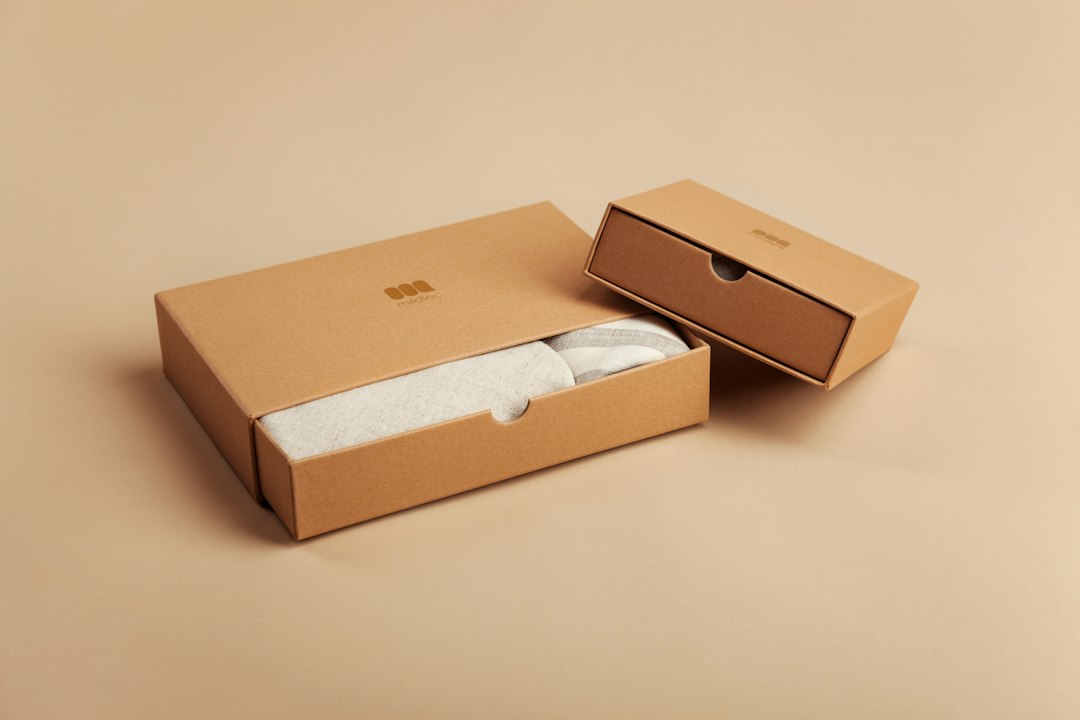
Good jewelry packaging pairs a rigid or semi-rigid box (kraft, rigid setup box, or folding carton) with a fitted foam or fabric-wrapped insert sized to the specific piece — a slot or ring roll for rings, a padded card or pinned insert for earrings, and a lined channel or pillow for chains and pendants — plus a poly bag or anti-tarnish sleeve underneath the insert to prevent scratching and tangling.
Choosing a Box Style and Size
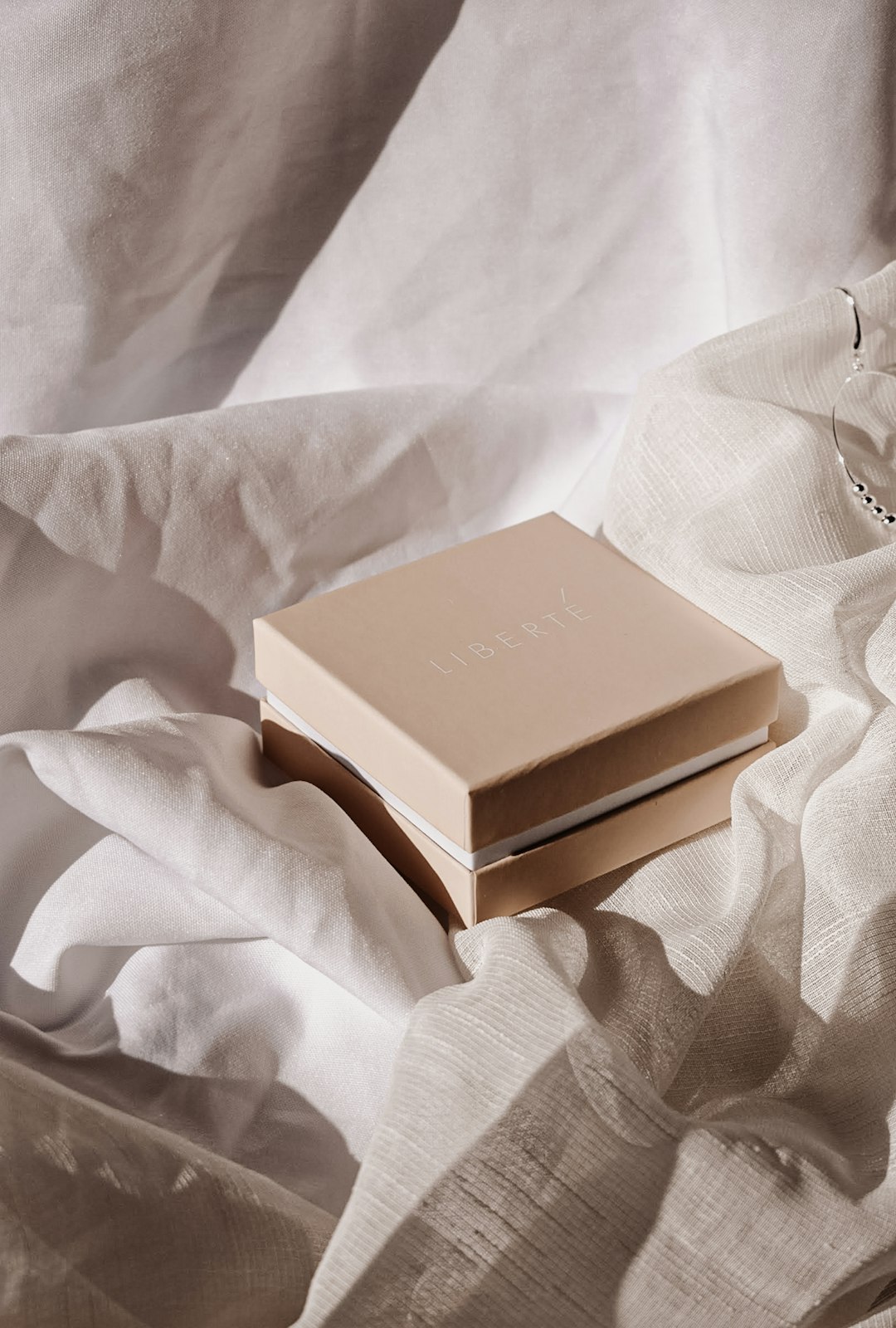
Rigid setup boxes (the sturdy, wrap-covered boxes used by most fine jewelry brands) give the most premium feel and the best protection, but cost more per unit and have higher minimum order quantities. Folding cartons and kraft boxes are lighter, cheaper, and easier to order in small runs, which makes them the more practical starting point for a new small-business line.
Size the box to the piece, not the other way around. As a general guide, ring boxes typically run around 2″ x 2″ up to about 2.25″ x 2.25″ for chunkier settings; earring and pendant boxes tend to run from roughly 2.5″ x 2.5″ up to 3″ x 3″ for larger drop styles; and pendant or necklace boxes are commonly 3.5″ x 3.5″ or 4″ x 4″ so the chain has room to lie flat without tangling. Bracelets and longer necklaces need a box long enough to lay the piece out rather than coil it tightly, which stresses clasps and chain links over time.
Before committing to a bulk order, test the box with your actual product: put the heaviest or largest piece in, close the lid, and shake it gently. Leave a sample piece in the closed box for a week or two to check that the insert fabric doesn’t cause tarnishing. Also check whether the finished box fits a standard shipping size you already use (a USPS small flat-rate box, for example) so you’re not paying for oversized shipping on every order.
Insert Materials and Types by Piece
Most inserts start with a foam core wrapped in a fabric like velvet, velour, or suede-style microfiber, or a plainer felt for a more minimal look. The foam itself matters: EVA foam is flexible and holds up well to shipping shock, PE foam is stiffer and more water-resistant (better for long-term storage pieces), and PU foam is softer and more common in everyday, lower-cost jewelry boxes. Rigid inserts cut from wood or acrylic show up in higher-end packaging, sometimes with a thin layer of fabric padding on top.
Match the insert style to the piece. Rings sit best in a slotted foam block or a ring roll/slit that holds the band upright without letting it slide. Earrings do well pinned directly into a padded card or foam insert — this is especially useful for studs, since it keeps the pair matched and keeps posts from getting bent. Necklaces and pendants need a longer channel or a pillow-style insert so the chain can rest without kinking or knotting; for anything with a delicate clasp, a shallow groove that cradles the chain works better than a flat pad it can slide around on.
Add a layer of protection between the piece and the insert fabric: a small poly bag or an anti-tarnish pouch stops sterling silver and plated pieces from reacting with dyes or adhesives in the fabric, and stops small stones or prongs from snagging on velvet fibers during shipping.
Tips and Common Mistakes
Leaving too much empty space around the piece is one of the most common design mistakes — it lets jewelry shift and rattle during shipping and makes the box feel like it’s not full. Size the cutout snugly to the actual piece, with just enough clearance to seat it without forcing it.
Skipping the tarnish test is another frequent misstep. Velvet and foam adhesives can react with silver over time, so test a sample piece in the closed box for at least a week before ordering in bulk.
Don’t assume one insert style works for the whole product line. A ring roll that’s perfect for a solitaire will crush a wide statement band, and a flat earring card that suits studs won’t hold long dangle earrings without them swinging into the box walls. If your line spans multiple jewelry types, plan for at least two or three insert variants rather than forcing everything into one design.
Finally, weigh sustainability against durability rather than defaulting to either. Recycled kraft and plant-based foam alternatives are increasingly available and can be a strong brand fit, but confirm they still protect the piece adequately in shipping tests before switching your whole line over.
Explore more: More packaging design guides.
Jewelry packaging design FAQs
What’s the best insert material for jewelry boxes?
It depends on the piece: fabric-wrapped EVA foam is a good all-around choice because it’s flexible and absorbs shock well in shipping, PE foam suits longer-term storage boxes, and softer PU foam is common in everyday, lower-cost packaging.
What size box should I use for rings vs. earrings?
Ring boxes typically run about 2″ to 2.25″ square, while earring and pendant boxes usually run from about 2.5″ to 3″ square. Always size to your actual product with a fit test before ordering in bulk.
How do I stop jewelry from tarnishing in the box?
Place each piece in a small poly bag or anti-tarnish sleeve before setting it into the insert, and test a sample piece in the closed box for about two weeks to confirm the fabric and adhesives don’t react with the metal.
Should a small jewelry business use rigid boxes or folding cartons?
Rigid setup boxes look and feel more premium and protect better, but cost more per unit and often require larger minimum orders. Folding cartons or kraft boxes are lighter, cheaper, and easier to order in small quantities, making them a practical starting point for a new line.
Find the Right Packaging Supplier
Search the free Packaura supplier directory — filter by material, certification, and location to find vetted suppliers. Search the Supplier Directory.
Want packaging news in your inbox? Subscribe to the free newsletter.
Photo by Mildlee on Unsplash.