
If you grow, cure, or just stock up on flower, you’ve probably argued with yourself over whether a mason jar or a stand-up mylar pouch is the better home for your stash. Both get marketed as “odor-proof” and “freshness-preserving,” but they protect cannabis in different ways and fail in different ways too.
This guide breaks down how each material actually performs on odor, humidity, light, and handling, then gives practical guidance on which one fits curing, long-term storage, daily carry, and retail packaging.
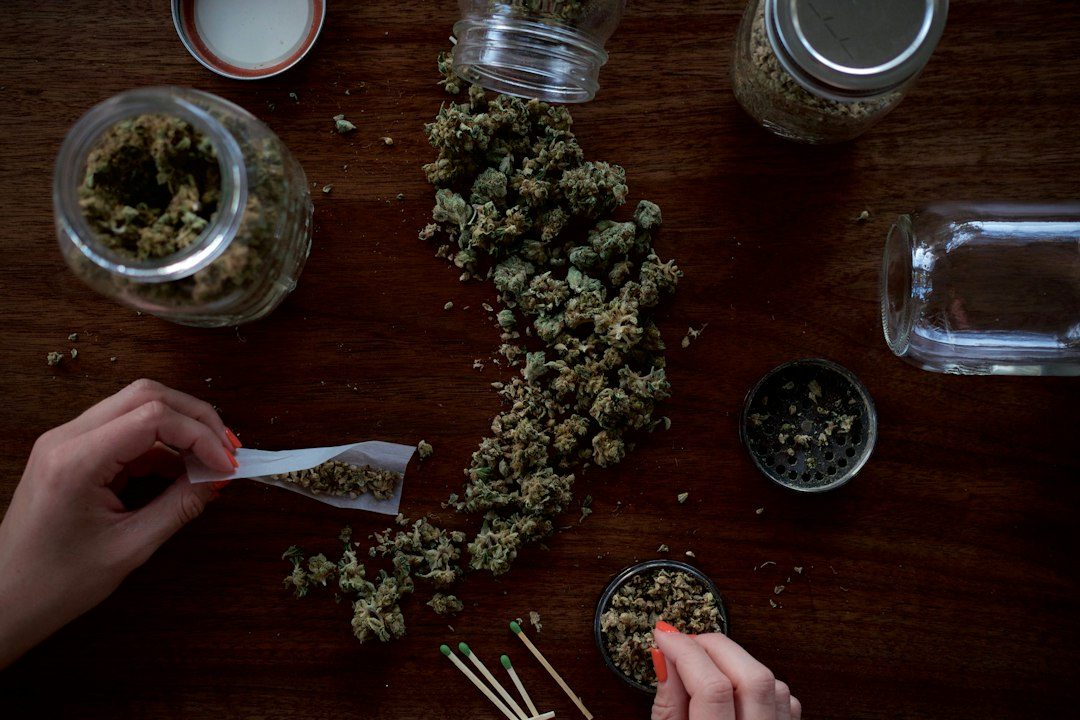
Quick Answer
For curing and long-term freshness, airtight glass jars (ideally tinted or kept in the dark) are the better choice because glass is non-porous, doesn’t react with terpenes, and makes it easy to monitor and burp the flower. For portability, bulk storage, or keeping smell fully contained on the go, odor-proof mylar bags win because they’re lightweight, flexible, and block light by default without breaking. A common approach is to cure and store the bulk of a harvest in glass, then move smaller amounts into mylar for daily carry or travel.
How Each Material Actually Performs
Odor control: both can be effective, but only when the seal is intact. Multi-layer mylar (polyester film bonded to a foil layer) with a working child-resistant zipper blocks odor molecules very well. Glass jars control odor just as well, but only as well as the lid — a jar with a worn gasket or a loose metal lid will leak smell even though the glass itself is airtight.
Humidity: glass doesn’t absorb or release moisture, so a two-way humidity control pack (commonly set to 58-62% relative humidity) inside a sealed jar holds steady over time. Mylar’s layered barrier also resists moisture transfer, but a zipper track that’s been opened and closed repeatedly wears down, letting the inside drift toward whatever humidity the room is at.
Light: clear glass lets UV and visible light degrade cannabinoids and terpenes, which is why tinted or opaque jars (or a clear jar kept in a dark cabinet) matter. Mylar bags are opaque by design, so light protection is built in without extra effort.
Static and trichomes: both glass and mylar are electrical insulators, and either one can build up a triboelectric static charge from friction or separation — glass isn’t “static-free,” it just tends to collect less of a practical charge in everyday use because jars are rigid and are usually scooped into rather than flexed, shaken, or peeled apart. Mylar film can generate a noticeable charge, especially when the bag is squeezed, rolled, or when product is poured against the lining, and that charge can pull loose trichomes onto the interior wall. In practice, handling habits matter more than the material itself: scooping from a jar loses less kief to the container than repeatedly shaking or inverting a bag.
Picking the Right One for Your Situation
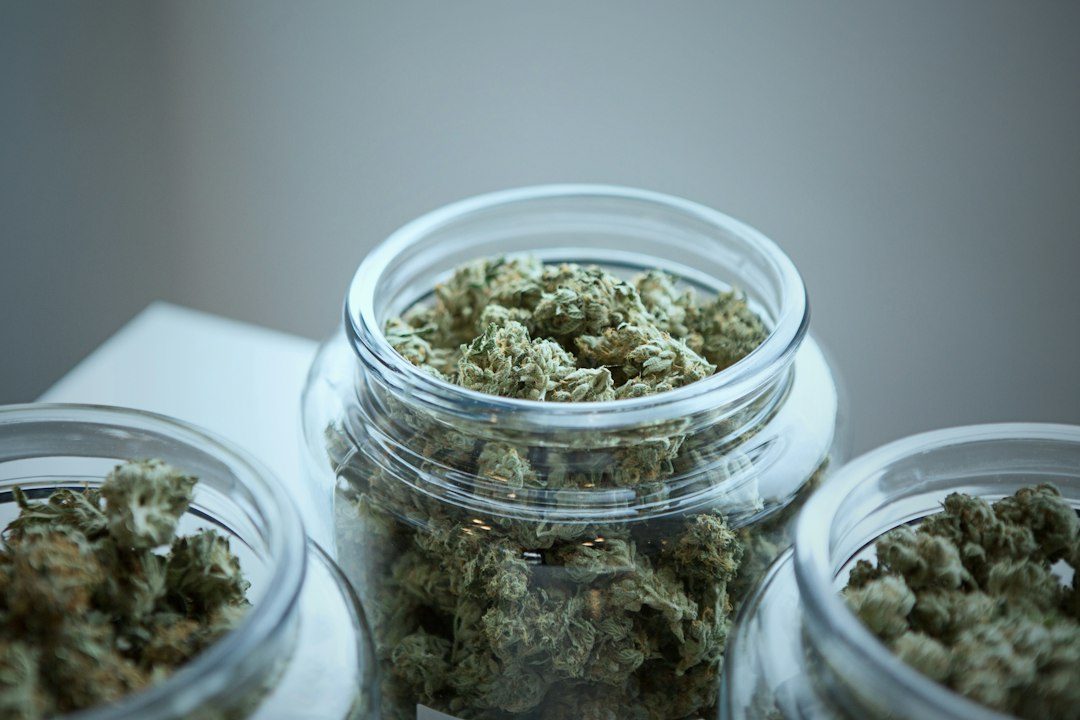
Curing a fresh harvest (roughly the first two to eight weeks): use wide-mouth glass jars you can open daily to burp — releasing built-up moisture and checking smell and texture is far easier in glass than in a bag.
Long-term stash (months or longer): airtight, tinted (or dark-stored) glass with a humidity pack is the most stable option since nothing leaches through the glass and there’s no zipper track to wear out.
Daily carry or discretion: mylar’s light weight, crush resistance, and built-in opacity make it the practical pick for a bag or pocket.
Bulk or freezer storage: vacuum-sealed mylar conforms tightly around the product and resists moisture well, which helps when freezing larger quantities you won’t touch for a while.
Retail, gifting, or compliance packaging: many legal markets require child-resistant packaging at the point of sale. Mylar bags with child-resistant zipper tracks are common for this; glass jars need a certified child-resistant lid to meet the same requirement.
Tips / Common Mistakes
Don’t store clear glass jars in direct sun or on a windowsill — light exposure is one of the fastest ways to degrade potency and flavor.
Don’t overfill either container; leaving some headspace matters for airflow during curing and burping.
Check mylar zippers before relying on them for odor control — once a track won’t click shut flush, smell and air exchange resume immediately.
Use a two-way humidity pack made for cannabis rather than a generic silica packet; silica only pulls moisture out, it doesn’t hold a target range.
Label and date jars or bags. Cured flower from different strains or harvests can look nearly identical once dried.
Explore more: more packaging material comparisons.
Mylar bags vs glass jars for cannabis FAQs
Do mylar bags really block smell completely?
A well-sealed, multi-layer mylar bag with an intact zipper blocks odor very effectively. The weak point is the zipper track — once it’s worn from repeated opening or the bag is punctured, smell escapes right away.
Is it safe to store cannabis in mylar bags in the freezer?
Vacuum-sealed mylar handles freezer storage well for bulk flower you don’t plan to use soon, since it resists moisture better than many plastics. Repeated freeze-thaw cycles can still damage delicate trichomes, so it’s best for long-term bulk storage rather than flower you’re dipping into often.
Which is cheaper for everyday storage, mylar or glass?
Mason-style glass jars are typically a one-time purchase and get reused indefinitely, while mylar bags are usually treated as semi-disposable once the zipper wears out. For a stash you handle often, jars tend to cost less over time; for occasional discreet carry, mylar’s lower upfront cost per bag makes sense.
Find the Right Packaging Supplier
Search the free Packaura supplier directory — filter by material, certification, and location to find vetted suppliers. Search the Supplier Directory.
Want packaging news in your inbox? Subscribe to the free newsletter.
Photo by Wesley Gibbs on Unsplash.