
If you’ve ever been quoted a minimum order quantity of 2,000 units when you only need 300, you know the frustration. High MOQs lock up cash, create storage headaches, and force small brands to over-order on packaging they’re still testing. The good news: nearly every MOQ is negotiable—if you know which levers to pull.
This guide breaks down exactly why suppliers set the MOQs they do, then gives you seven practical tactics—from blanket purchase orders to switching print methods—to bring those numbers down without damaging the relationship you’ve worked to build.

Quick Answer
Yes, you can negotiate. MOQs for custom packaging typically range from 500 to 5,000 units depending on packaging type and print method, but the number your supplier quotes is rarely their hard floor. The fastest wins come from offering a slightly higher per-unit price to offset their fixed costs, switching to stock or digitally printed packaging, or committing to a blanket purchase order that spreads your total volume over several months.
Why Suppliers Set MOQs — and Why It Matters for Negotiation
Understanding the ‘why’ behind an MOQ gives you the right trade-offs to offer. Suppliers set minimums to cover fixed costs that don’t scale down with order size: offset printing plates alone can run $50–$300 per color, machine setup and tooling adds more, and raw material minimums from their own upstream suppliers create a floor they can’t simply ignore.
Packaging type also matters. Folding cartons printed with offset methods typically carry MOQs of 1,000–5,000 units. Corrugated shipping boxes usually start at 500–2,000 units. Luxury rigid boxes, which involve more manual assembly labor, often start lower—around 200–1,000 units. When you identify which cost is driving the MOQ, you can propose a trade-off that actually solves the supplier’s underlying problem.
7 Tactics to Negotiate a Lower MOQ
1. Offer a higher per-unit price. This is the most direct lever. A supplier who quotes 2,000 units may accept 1,000 if you pay more per piece, because the higher margin compensates for the smaller run. Ask plainly: ‘What per-unit price would let you run 800 units?’ You’ll often get a workable number.
2. Switch to stock packaging with custom labeling. Instead of a custom-molded component with a 10,000-unit MOQ, choose a standard size from the supplier’s existing catalog and add your branding via a custom label. MOQs for stock items routinely start at 500–1,000 units, and you avoid tooling costs entirely.
3. Choose digital printing over offset. Digital printing requires no physical plates, which removes the biggest fixed-cost driver behind high MOQs for folding cartons and corrugated boxes. Digital runs for folding cartons can start as low as 50–250 units. The per-unit cost is higher, but for small batches or market tests the economics usually work in your favor.
4. Propose a blanket purchase order. Commit to the supplier’s total MOQ—say 1,200 units—but negotiate staggered deliveries of 300 units per quarter over a year. You get low per-shipment quantities; they get the volume certainty they need. Blanket POs are especially effective once you have a reorder history to reference.
5. Offer a larger upfront deposit. Suppliers’ main concern with small orders is cancellation risk. Raising your deposit from 30% to 50%, or paying in full upfront, reduces that risk and often earns meaningful MOQ flexibility in return.
6. Share a credible growth plan. Don’t position a small order as your ceiling—position it as phase one. Present realistic sales data, a reorder timeline, and a path to larger volumes. Suppliers invest in relationships they believe will grow, and sounding like a serious operator rather than a speculative one-time buyer changes how they respond.
7. Get competing quotes before you negotiate. Requesting quotes from three to five suppliers simultaneously creates natural competitive pressure. You don’t need to name competitors or play hardball—simply having alternatives gives you a realistic read on what the market accepts, and suppliers can sense when a buyer has done their homework.
Common Mistakes to Avoid
Accepting the first number. Suppliers quote their standard MOQ by default—it is rarely their actual minimum. Always ask what flexibility exists before assuming the figure is fixed. Asking for a big reduction with no trade-off is the other extreme: requesting 10% of the stated MOQ with no price concession, no deposit increase, and no volume commitment gives the supplier nothing to work with. Always pair a reduction request with something that offsets their cost. Finally, don’t overlook the print method. Many buyers negotiate hard on quantity without realizing that switching from offset to digital printing would solve the problem automatically—and often at a lower total cost for small runs. Check the print method before you open the negotiation.
Explore more: Packaging business guides.
MOQ negotiation with packaging suppliers FAQs
What is a typical MOQ for custom packaging?
It depends on packaging type and print method. Custom folding cartons with offset printing typically start at 1,000–5,000 units. Digital printing can bring that down to 50–250 units for the same style. Luxury rigid boxes often start at 200–1,000 units due to manual assembly, while corrugated shipping boxes usually have MOQs of 500–2,000 units.
Can I negotiate MOQ after I’ve already placed orders with a supplier?
Yes—and it’s often easier than the first negotiation. A track record of on-time payment and repeat orders is exactly the evidence suppliers need to justify flexible terms. Use a reorder conversation to propose a blanket purchase order or a staggered delivery schedule.
What’s the fastest way to get a lower MOQ without a long negotiation?
Switch to stock packaging with a custom label, or ask for a digital print run instead of offset. Both changes remove the fixed costs that drive high MOQs in the first place, and neither requires convincing the supplier to make an exception—you’re simply choosing a different product configuration.
Source Smarter With Packaura Direct
Find packaging suppliers, surplus inventory, and certification — all on Packaura Direct. Try Packaura Direct.
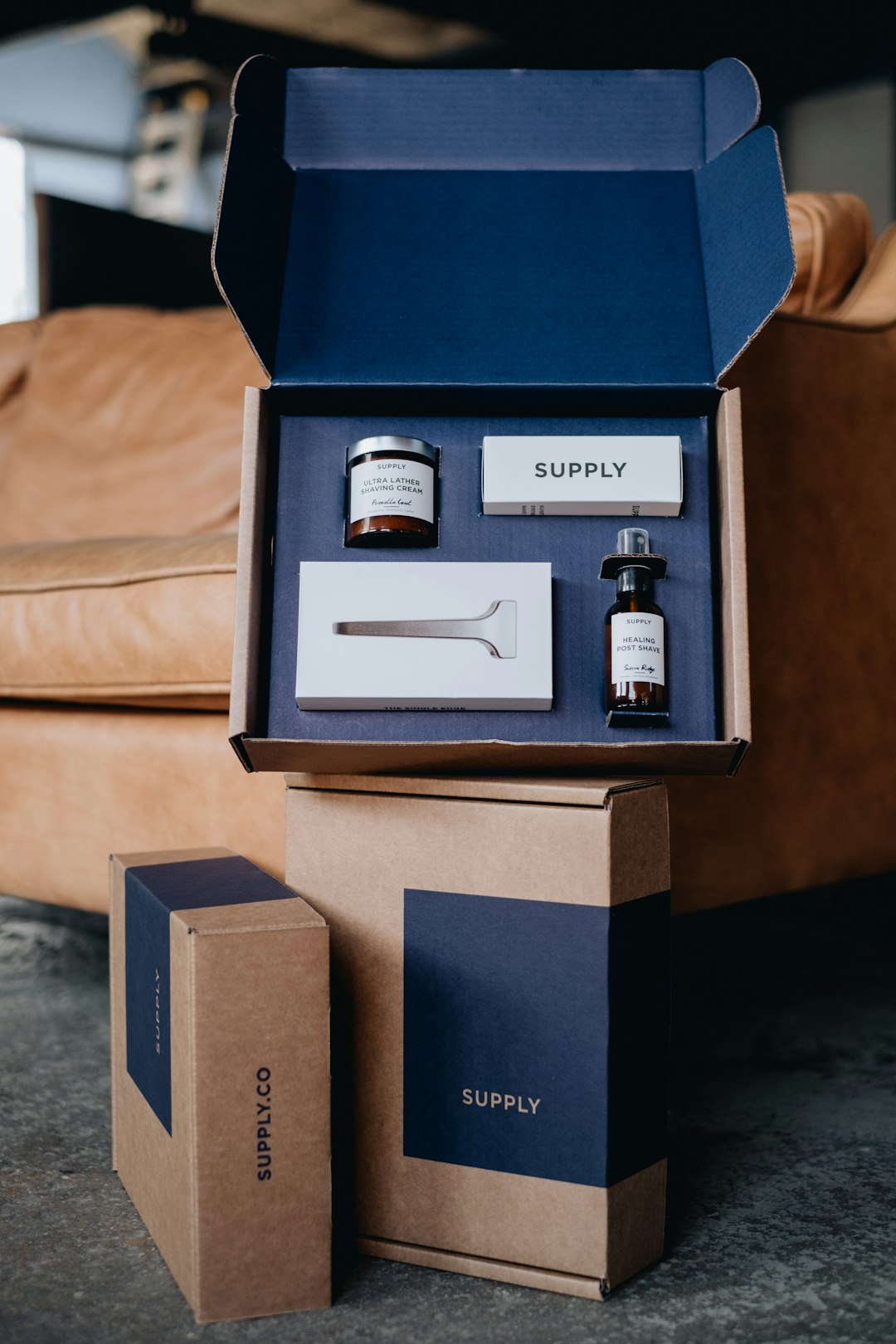
Photo by Bench Accounting on Unsplash.